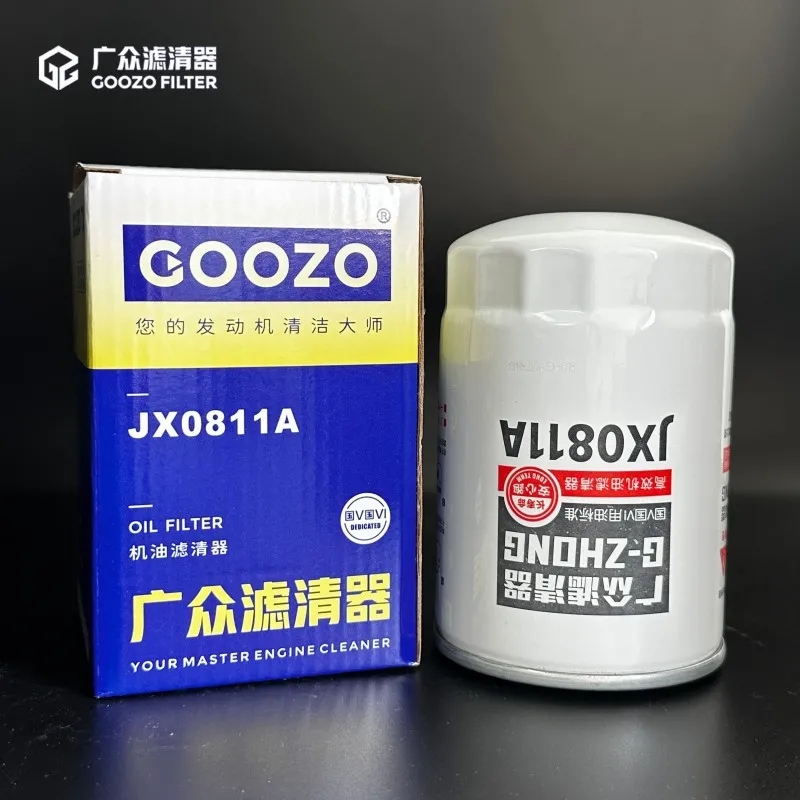
A Complete Guide to Engine Oil Filter Replacement Intervals
Understanding the importance of Engine Oil Filter Replacement is crucial for maintaining your vehicle's performance and longevity. Engine oil filters play a vital role in trapping contaminants and ensuring clean, well-circulated oil throughout your engine. Regular replacement of the oil filter is essential to prevent engine damage and maintain efficiency. In this guide, we will explore the recommended intervals for oil filter replacement, the signs that indicate it's time for a change, and step-by-step instructions on how to perform the replacement yourself.
1. Importance of Engine Oil Filters
- Functionality: Oil filters clean the engine oil by removing particulates and contaminants to protect engine components.
- Efficiency: A clean oil filter ensures better oil flow, benefiting engine efficiency and performance.
- Longevity: Regular replacement can prevent engine wear and prolong the life of your vehicle.
2. Recommended Replacement Intervals
- Traditional Recommendations: Most manufacturers suggest replacing the oil filter every 3,000 to 5,000 miles, especially with conventional oil.
- Synthetic Oil Considerations: With synthetic oil, some vehicles allow for longer intervals of 7,500 to 10,000 miles.
- Manufacturer’s Guidelines: Always refer to your vehicle’s owner manual for the most accurate recommendations.
3. Signs That Indicate Oil Filter Replacement
- Unusual Engine Noise: A loud engine or knocking sound can indicate oil problems.
- Oil Pressure Warning Light: If this light comes on, it may be time to check or change your oil filter.
- Frequent Oil Changes: If you're changing your oil frequently and not changing the filter, it's likely due for a replacement.
4. How to Replace Your Engine Oil Filter
- Gather Your Tools: You will need a new oil filter, an oil filter wrench, a socket wrench, a drain pan, and fresh oil.
- Prepare Your Vehicle: Ensure the car is parked on a level surface and let it cool down before starting.
- Drain the Old Oil: Remove the oil drain plug and allow the old oil to completely drain into your drain pan.
- Remove the Old Oil Filter: Use the oil filter wrench to unscrew the old filter carefully.
- Install the New Oil Filter: Apply a bit of new oil to the rubber gasket of the new filter and screw it on securely.
- Replace the Oil Plug: Once the filter is replaced, put the oil drain plug back in place.
- Add New Oil: Use a funnel to pour new oil into the engine, following the recommended amount specified in your owner’s manual.
- Check for Leaks: Start your engine and check for any leaks around the oil filter and drain plug.
5. Additional Maintenance Tips
- Regular Checks: Check your oil levels regularly to ensure they're within the optimal range.
- Record Keeping: Maintain a log of oil and filter changes for future reference.
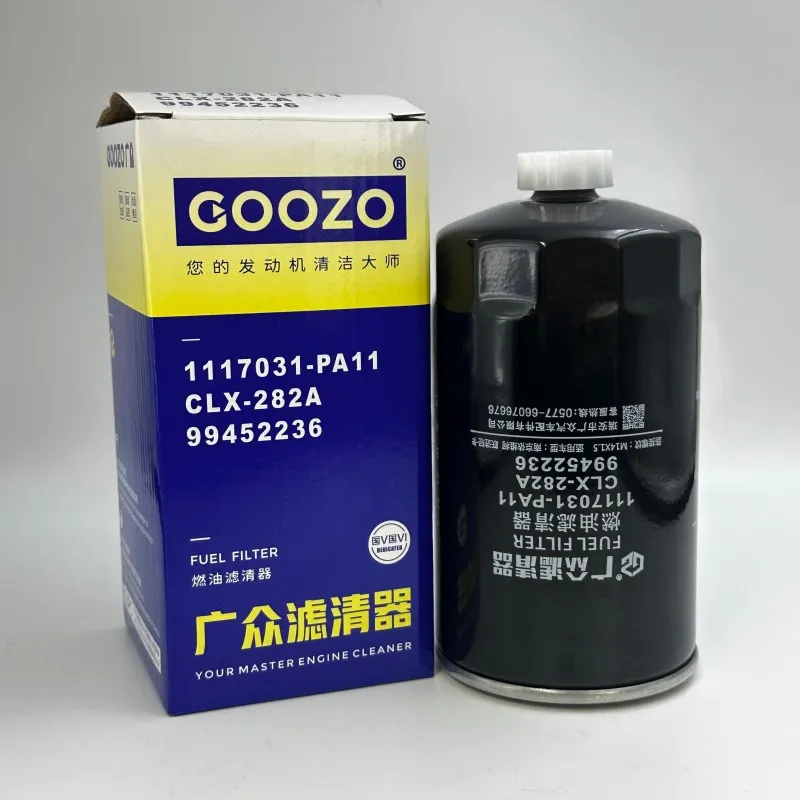
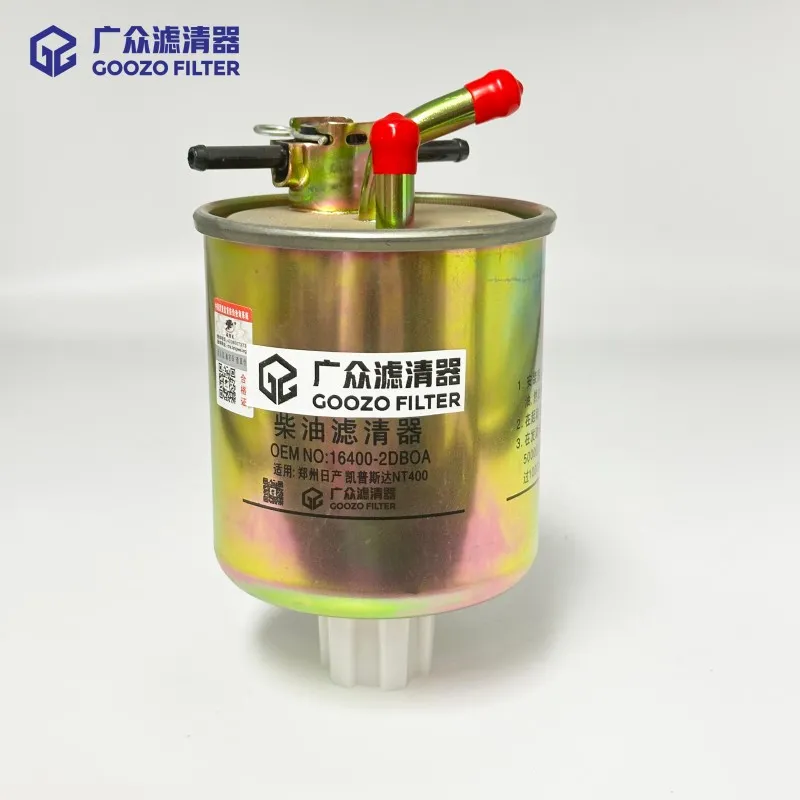
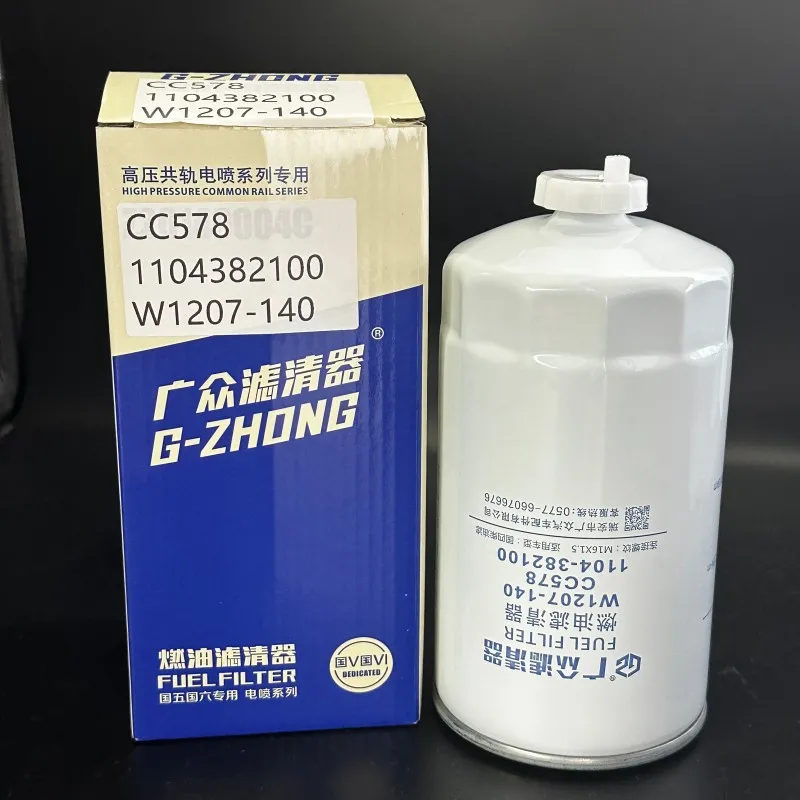
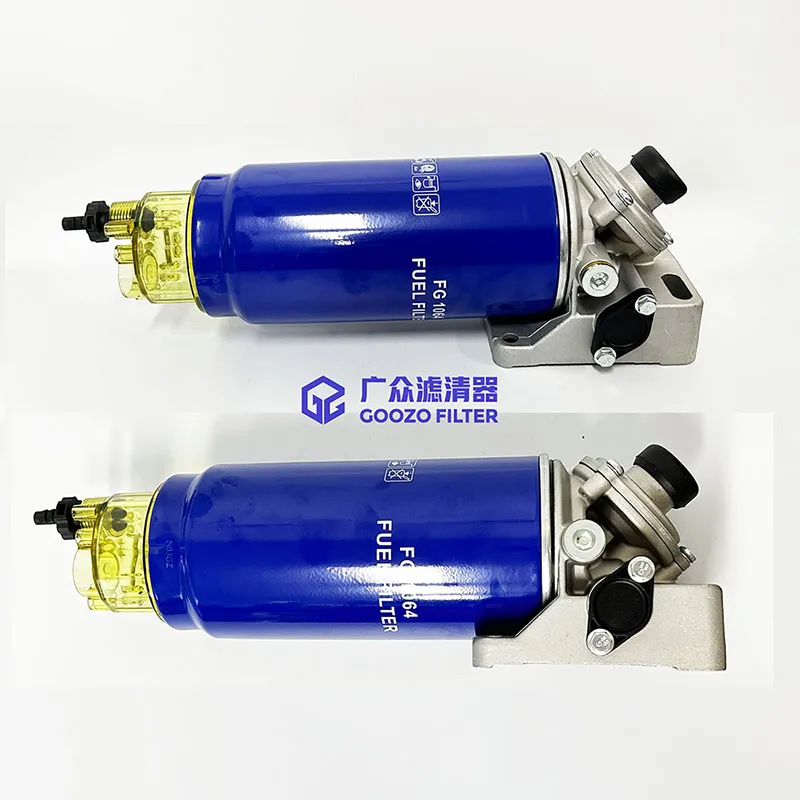
- Trust Certified Parts: Use OEM (Original Equipment Manufacturer) oil filters for reliability.
6. Environmental Considerations
- Disposal of Old Oil and Filters: Never dump oil or filters in regular trash. Instead, take them to recycling centers or local auto stores that accept used oil and filters.
- Using Eco-Friendly Products: Choose biodegradable oil filters and oils when possible to minimize environmental impact.
7. When to Consult a Professional
- Complex Issues: If you notice more serious problems beyond oil filter issues—such as engine rattles or other unusual noises—consult a mechanic.
- Regular Maintenance Reminders: Set reminders based on mileage to ensure you do not overlook the oil filter replacement.
For the best results, combine these maintenance practices with regular inspections of your vehicle’s performance. Keeping an eye on the oil filter replacement intervals will not only enhance your vehicle's longevity but also ensure a smoother running engine. Follow this guide, and you will know exactly how to maintain your car effectively.
![Engine Oil Filter Replacement]()