+86 177 9462 1813

+86 177 9462 1813
Products Search

News
Dec. 16, 2025
In today’s industrial landscape, the importance of effective fluid management cannot be overstated. Hydraulic systems are ubiquitous in machinery, and the integrity of these systems often hinges on the quality of hydraulic filters employed. Inefficient filters can lead to numerous issues, including machinery breakdowns, increased operational costs, and safety hazards. Professionals in sectors such as manufacturing, construction, and agriculture often face challenges like increased downtime due to filter failures or the adverse effects of contaminated fluids. This article delves into the benefits of using high-efficiency hydraulic filters, backed by data and case studies, focusing on how they can significantly improve your operational efficiency. Keywords: high-efficiency hydraulic filters, hydraulic system optimization, industrial fluid management. LSI: contamination control, fluid filtration, hydraulic efficiency. Professional terms: ISO cleanliness standards, differential pressure, particulate removal efficiency.
High-efficiency hydraulic filters offer several benefits that can directly influence the performance and longevity of hydraulic systems. A major advantage is their ability to remove particulates and contaminants from fluids with high precision. For instance, filters with a particulate removal efficiency of 99.9% can significantly reduce downtime, as contaminants often lead to wear and tear in hydraulic components. A case study from a leading hydraulic manufacturer revealed that companies using high-efficiency filters experienced a 38% decrease in unexpected machinery failures. Additionally, these filters can maintain ISO cleanliness standards, ensuring that the hydraulic fluids remain uncontaminated, which is crucial for operating in sensitive environments.
While the initial investment in high-efficiency hydraulic filters may be higher compared to standard options, the long-term savings are substantial. Data from various industries indicate that organizations saw an average 25% reduction in maintenance costs after switching to high-efficiency filters. This reduction is often due to fewer repairs and replacements needed for damaged hydraulic components. Moreover, a study conducted over five years showed that companies utilizing high-efficiency hydraulic filters saved approximately 15% on energy consumption in their hydraulic systems, as clean fluids allow pumps to operate more efficiently.
Despite their numerous benefits, high-efficiency hydraulic filters are not without disadvantages. One common issue is their higher upfront cost. While the savings over time are significant, companies operating on tight budgets may find the initial investment to be a challenge. Additionally, high-efficiency filters can require more frequent changes than standard filters due to their finer filtration capabilities, leading to increased procurement costs over time. It is essential to assess the specific needs of your operations and the expected lifespan of the hydraulic components. To avoid these challenges, consider implementing a scheduled maintenance program and using data analytics to monitor filter performance and fluid cleanliness.
For businesses that rely heavily on hydraulic systems, the benefits of using high-efficiency hydraulic filters generally outweigh the costs. Their ability to enhance fluid cleanliness, provide longer component life, and reduce unexpected downtime makes them a valuable asset in any industrial setting. Particularly for organizations that operate in demanding conditions or where fluid contamination can lead to significant production losses, investing in high-efficiency filters is not only wise but critical.
High-efficiency hydraulic filters are best suited for industries such as construction, mining, and manufacturing, where hydraulic systems are critical for operations. Companies that experience frequent machinery failures or costly maintenance should evaluate their current filtration systems and consider upgrading to high-efficiency options. Additionally, organizations aiming to comply with stringent environmental regulations will find these filters beneficial in maintaining clean and safe operational practices.
Q: How often should high-efficiency hydraulic filters be replaced?
A: Replacement frequency can vary widely depending on system conditions, but a guideline is to check filters every 1,500 to 2,000 operating hours in general use.
Q: Can high-efficiency hydraulic filters improve energy efficiency?
A: Yes, clean hydraulic fluids help pumps operate more efficiently, potentially reducing energy consumption by around 15%.
Q: Are there specific brands known for high-efficiency hydraulic filters?
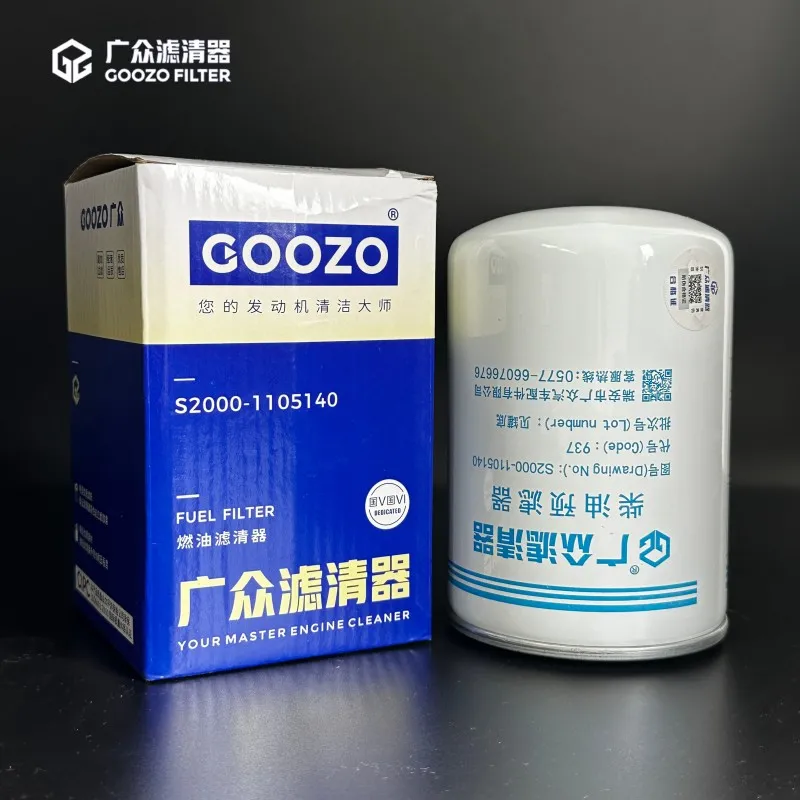
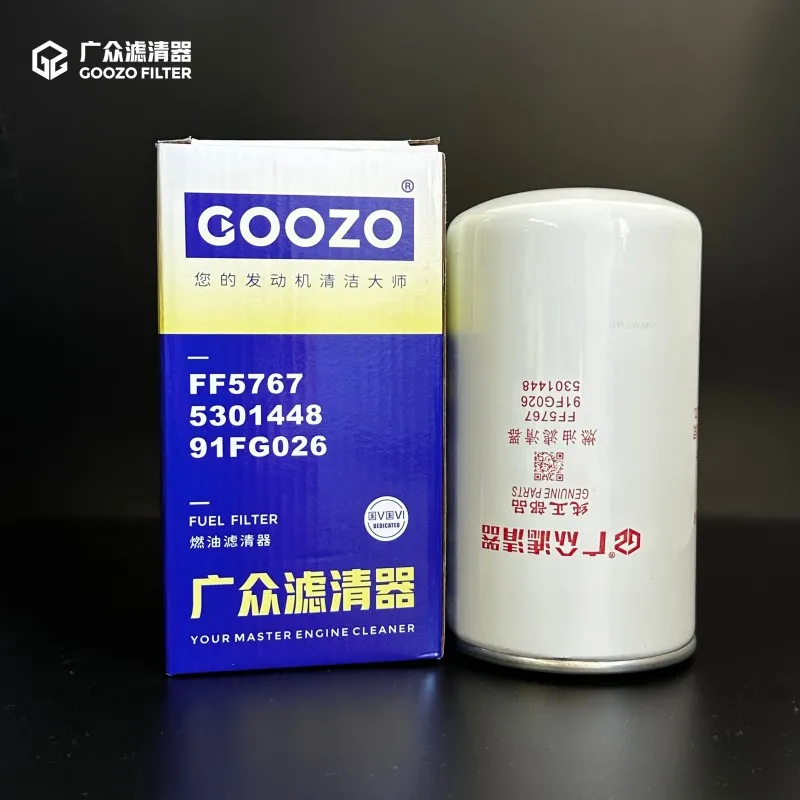
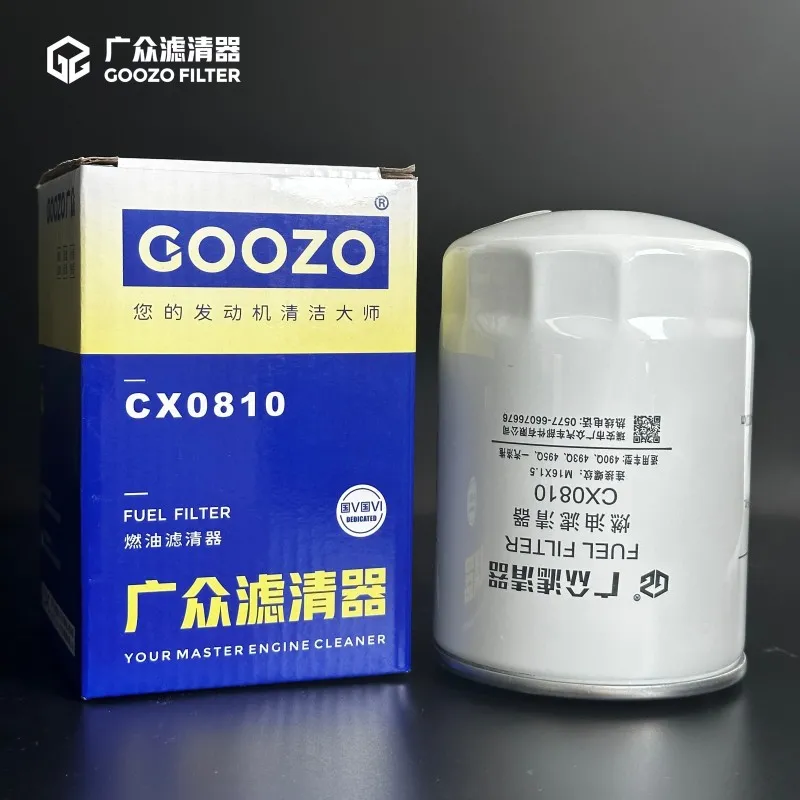
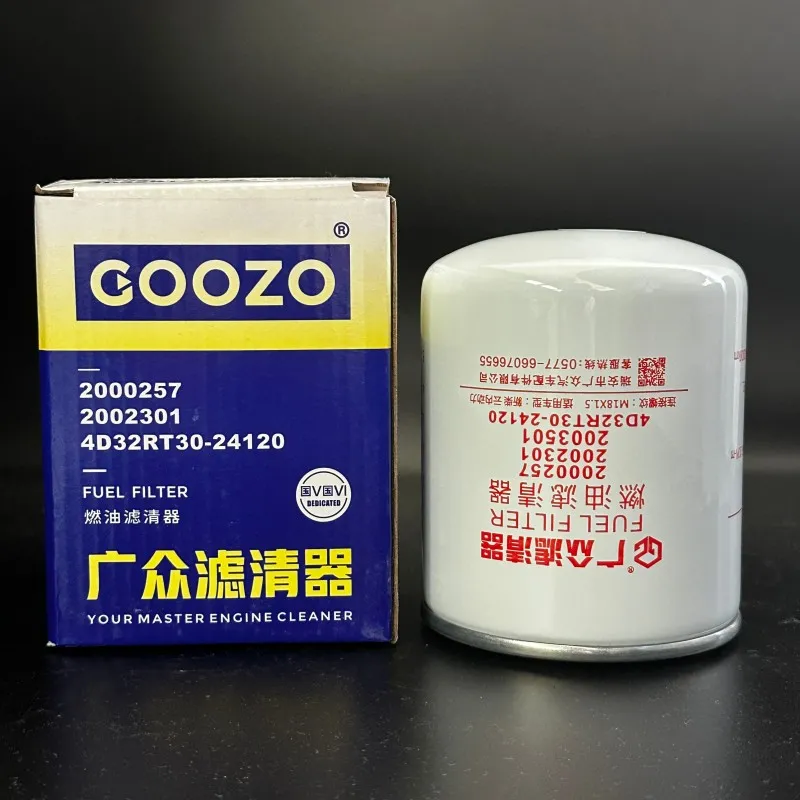
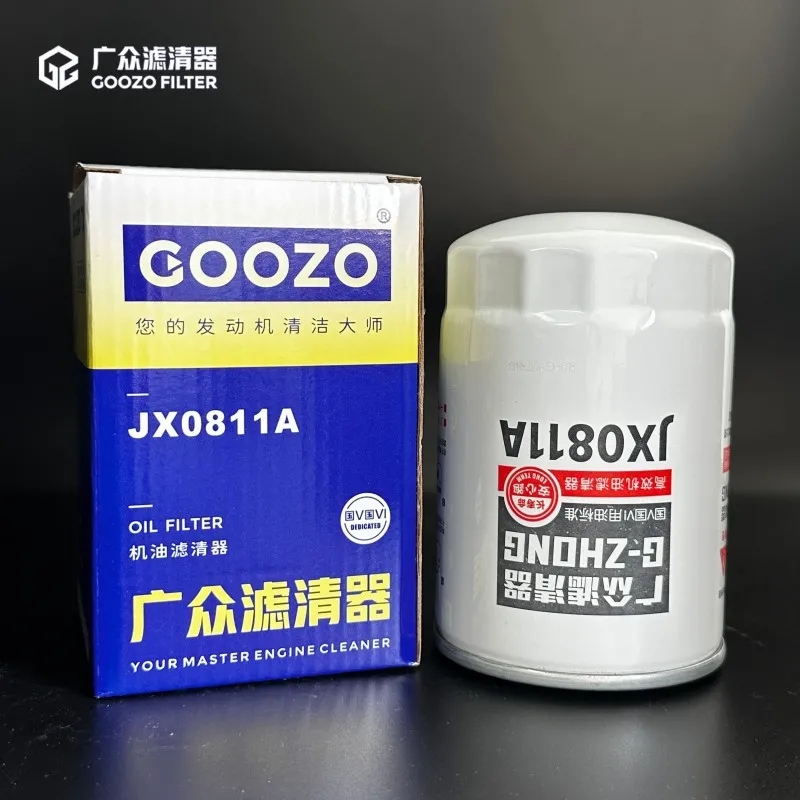
A: Notable brands include Goozo, which is recognized for producing top-quality filters that meet high industry standards.
For companies looking to optimize their hydraulic systems, investing in high-efficiency hydraulic filters is a strategic move that yields significant returns in efficiency, cost savings, and reliability.
Get exclusive filter solutions
Submit your vehicle model parameters → Free matching of 3000+ stock models
View More
Related Products