+86 177 9462 1813

+86 177 9462 1813
Products Search

News
Dec. 17, 2025
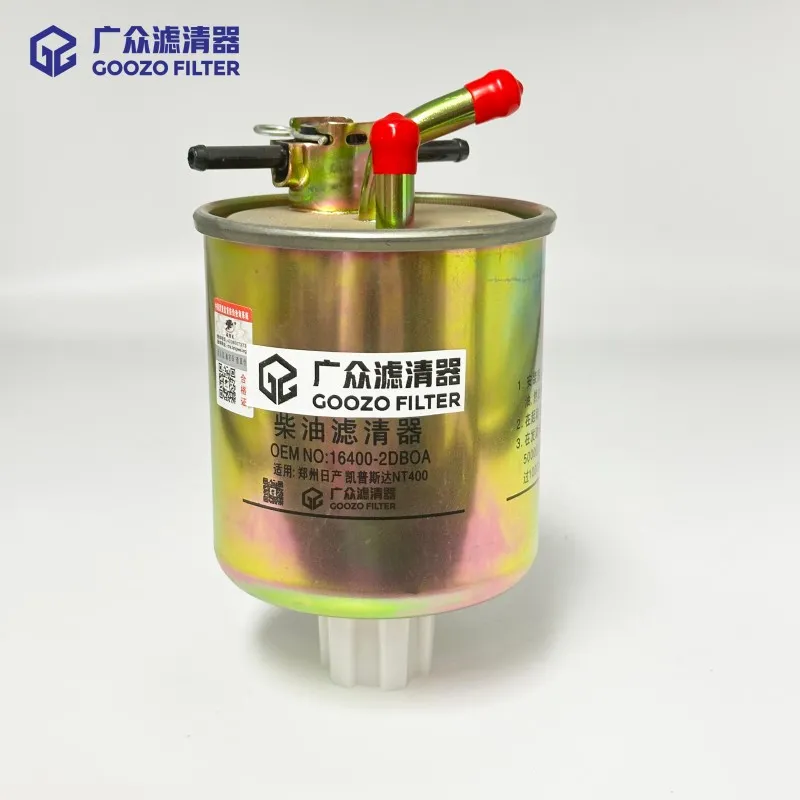
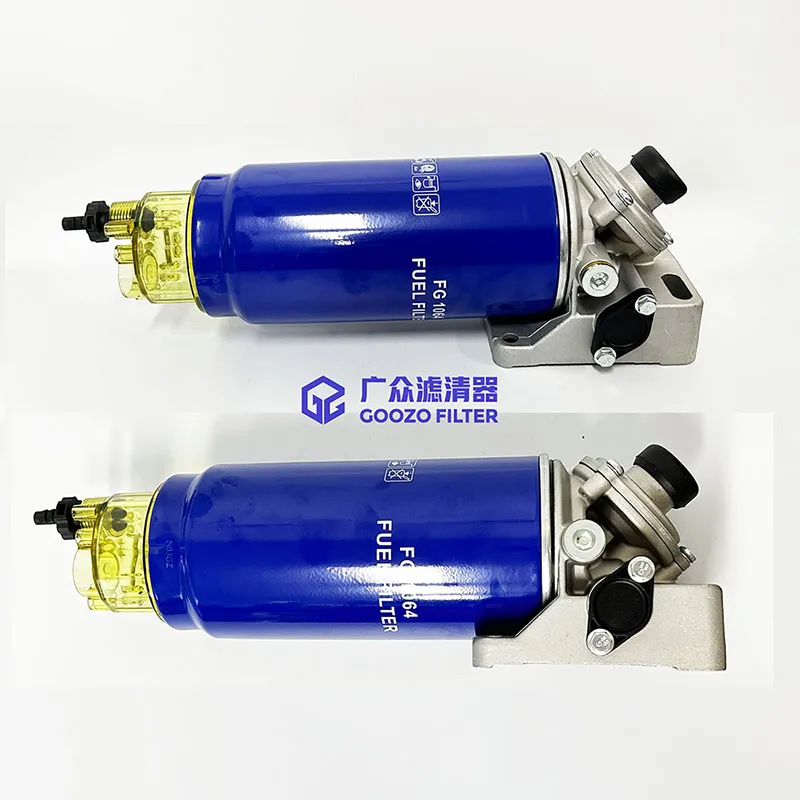
As the automotive industry progresses towards a greener future, car fuel filter manufacturers face both challenges and opportunities. With increasing consumer awareness about vehicle maintenance, inefficiencies in fuel systems have become more pronounced. A recent survey conducted by the MarketWatch revealed that 72% of vehicle owners reported issues related to fuel performance, often attributing them to ineffective fuel filters. This scenario highlights a critical pain point for consumers: the need for reliable fuel filters that enhance performance. By addressing this need, manufacturers can significantly improve customer satisfaction, ensuring that vehicles operate efficiently and sustainably.
The car fuel filter market is witnessing several key drivers that influence its evolution. One primary factor is the stricter emission regulations enforced by governments worldwide, which push manufacturers to prioritize advanced filtration technologies. According to a report by Statista, the global automotive fuel filter market is projected to reach $3.5 billion by 2025, growing at a CAGR of 4.5% from 2020 to 2025.
Innovations in materials used for fuel filters, such as nanofiber technology, are also making a substantial impact. For instance, filters made with this technology have been shown to trap particles as small as 0.1 microns, resulting in increased fuel efficiency by up to 12%, according to research published in the Journal of Cleaner Production.
As we look towards 2025, several emerging trends are shaping the landscape for car fuel filter manufacturers:
The shift towards electric vehicles is notably reducing the demand for traditional fuel filters. According to the International Energy Agency, global EV sales hit 6.6 million in 2021, reflecting a 108% increase from the previous year. This trend necessitates innovation as manufacturers expand their product lines to include filters for alternative fuel sources.
Smart fuel filters integrated with sensors are gaining traction, offering real-time data on fuel quality and filter condition. Reports from Automotive World indicate that these technologies can improve filter replacement intervals by up to 30%, significantly reducing maintenance costs for consumers.
With growing environmental concerns, many manufacturers are prioritizing sustainable practices. A recent survey by PwC found that 62% of consumers prefer products made from recyclable materials. Fuel filters designed from biodegradable materials not only cater to this demand but also help manufacturers reduce their carbon footprint.
For consumers, these trends translate into greater efficiency, longer-lasting products, and more eco-friendly choices. The incorporation of smart technologies enables buyers to make informed decisions regarding fuel maintenance, potentially preventing costly repairs down the line. Research highlighted by the Forbes has shown that consumers who use advanced filtration systems report a 15% improvement in fuel economy, effectively alleviating concerns over fuel costs.
To maximize benefits from car fuel filters, consumers should consider the following:
The typical lifespan of a car fuel filter ranges from 20,000 to 40,000 miles, but this can vary based on driving conditions and fuel quality.
Yes, replacing a fuel filter is a feasible DIY task for many car owners. However, it's essential to consult your vehicle’s manual and follow safety precautions.
It is generally recommended to change your fuel filter every 30,000 miles or per your manufacturer's guidelines to ensure optimal engine performance.
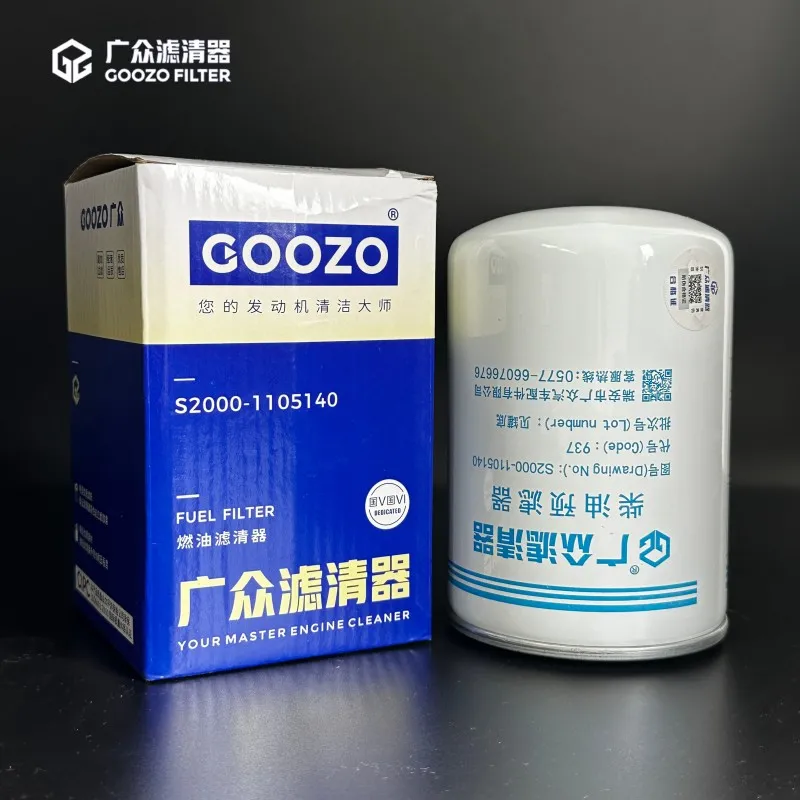
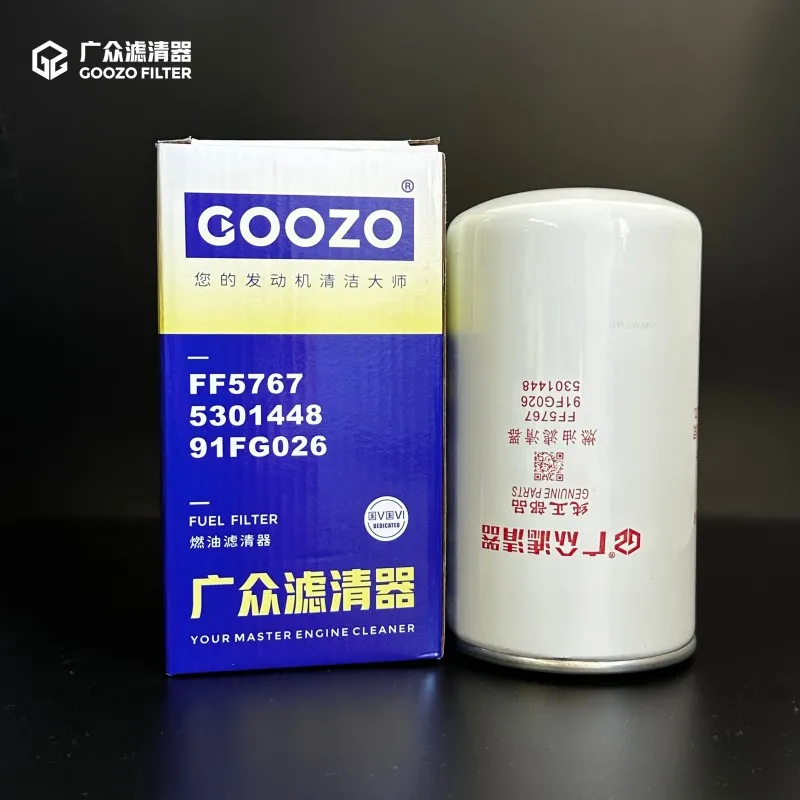
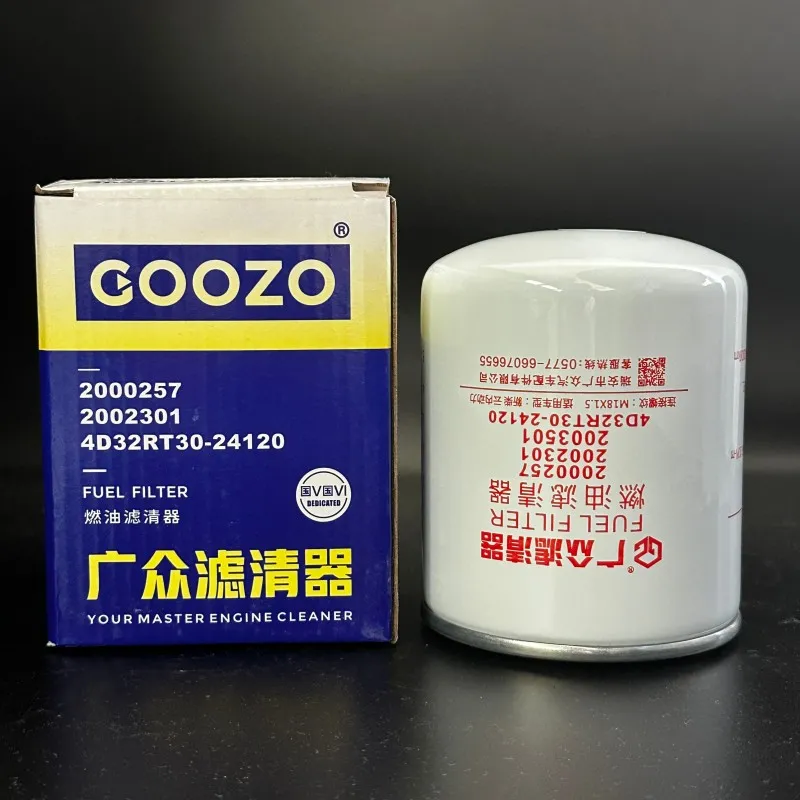
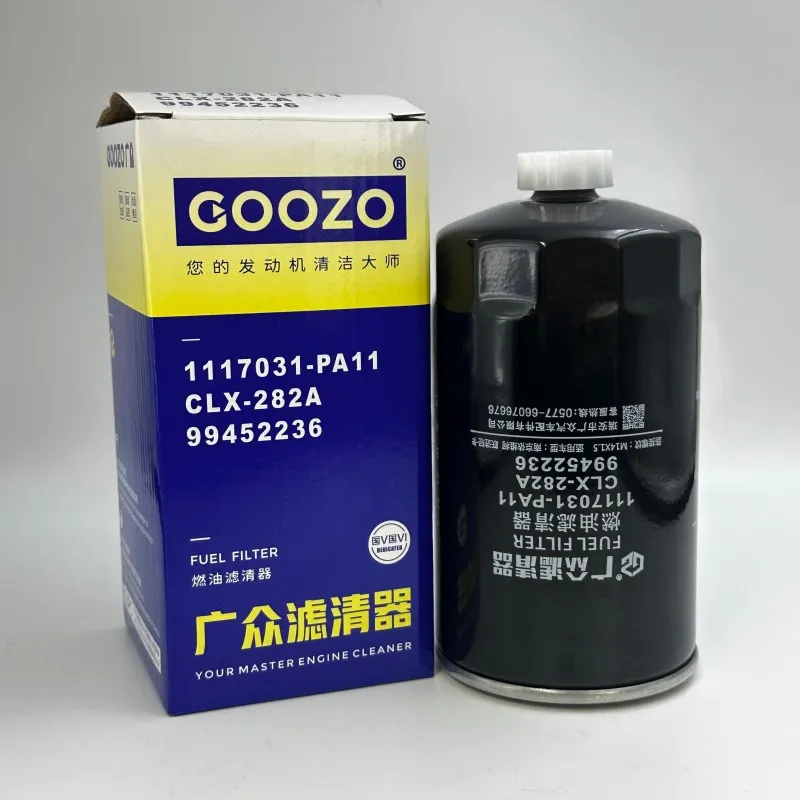
 Goozo Fuel Filter" />
Get exclusive filter solutions
Submit your vehicle model parameters → Free matching of 3000+ stock models
View More
Related Products