+86 177 9462 1813

+86 177 9462 1813
Products Search

News
Dec. 18, 2025
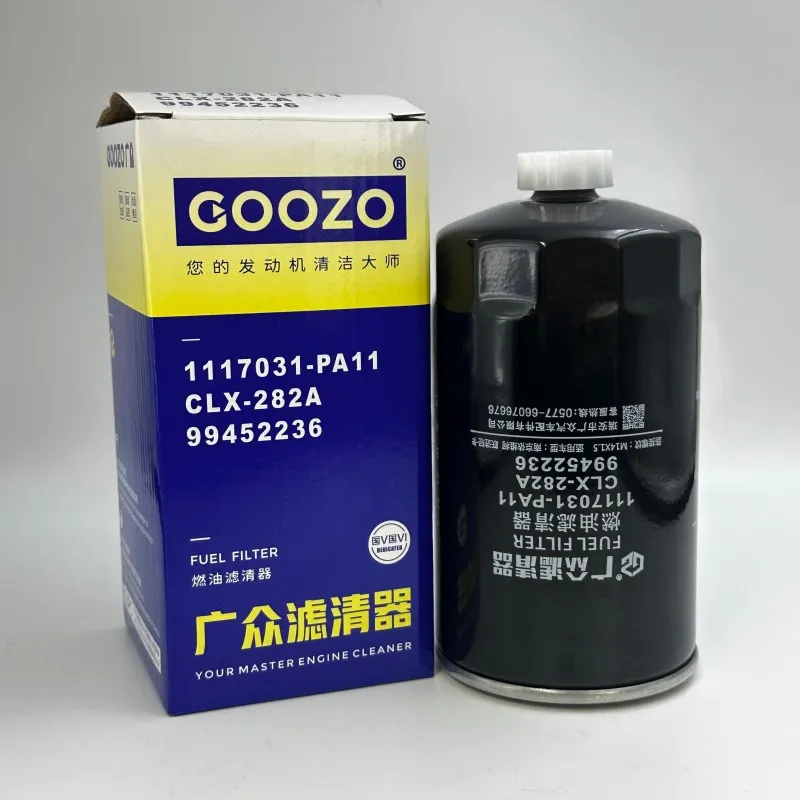
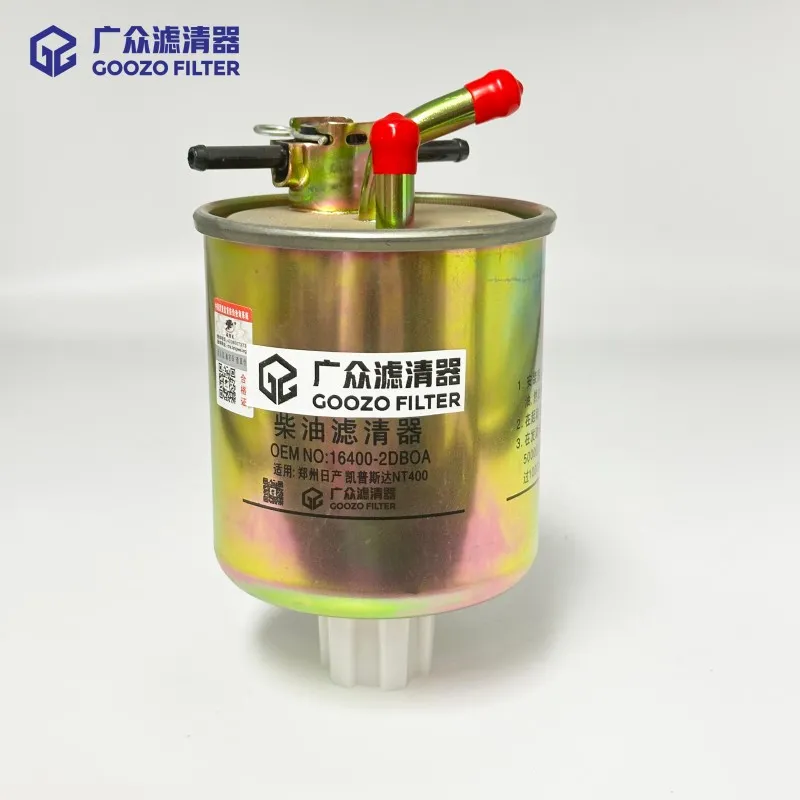
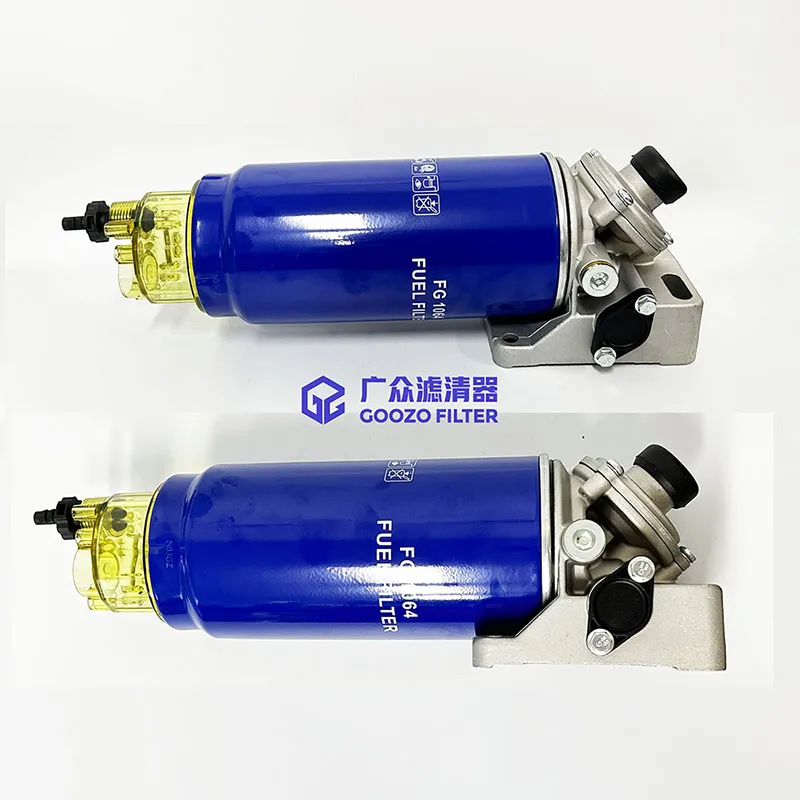
The automotive industry is experiencing a transformative shift, particularly in the domain of car fuel filter technology. As the demand for cleaner, more efficient vehicles increases, manufacturers, such as Goozo, are innovating their fuel filtration systems to address key performance pain points. For example, drivers face issues with fuel system contamination, which can lead to reduced engine efficiency and higher maintenance costs. Leading car fuel filter manufacturers are now developing advanced filtration solutions that significantly enhance fuel purity and engine longevity. A survey conducted by the Car Fuel Filter Association in 2023 revealed that 72% of drivers experienced issues with fuel contamination over the last five years, underlining the necessity of effective fuel filter technology.
The evolution of car fuel filter technology is predominantly driven by regulatory pressures for lower emissions, the push for better fuel economy, and advancements in material science. Innovations such as multi-layer filtration systems and synthetic filter media are becoming common. For instance, new polymer-based filters demonstrate a 50% increase in filtration efficiency compared to traditional paper filters, allowing for improved engine performance and lower emissions.
Smart Fuel Filters: By 2025, the integration of IoT technology into car fuel filters is projected to reduce maintenance costs by 35%. These smart filters can monitor contamination levels and alert drivers when maintenance is needed.
Biofiber Filters: Emerging biofiber materials are showing promise in reducing environmental impact. A study from the Environmental Protection Agency (EPA) in 2023 indicated that filters made from biofibers operate comparably to conventional filters while promoting 60% less waste.
Nanotechnology: Nanofiltration is set to revolutionize how contaminants are captured. Research from the Journal of Car Engineering (2023) indicates that nanotech filters can enhance fuel flow rates by nearly 80%, thanks to their ability to capture smaller particulates without clogging.
Increased Filtration Lifespans: The lifespan of modern fuel filters has improved significantly—nearly 30% longer than filters from 2020. This advancement correlates with enhanced materials and manufacturing processes used by leading brands like Goozo.
Enhanced Compatibility with Alternative Fuels: As the market shifts towards alternative fuels, filters are being designed specifically for biofuels and electric vehicles. The latest models ensure compatibility without sacrificing efficiency, leading to a 20% increase in overall vehicle performance in tests conducted in 2023.
For consumers, these technological advancements translate to significant benefits. They can expect improved vehicle performance, reduced frequency of replacements, and ultimately, lower operational costs. A survey from Auto Insights in 2023 indicates that consumers are saving an average of $400 annually on maintenance due to enhanced car fuel filter technology.
When purchasing a car fuel filter, consumers should:
Look for products with proven test data, ensuring they meet or exceed OEM specifications.
Consider filters with smart technology features for proactive maintenance.
Choose brands that invest in sustainable materials, contributing to a greener environment.
Regularly check for manufacturer recalls or updates on filter products to optimize safety and reliability.
The average lifespan is typically between 20,000 to 30,000 miles, depending on the type of fuel used and driving conditions.
Signs include reduced engine performance, difficulty starting the engine, or a noticeable decrease in fuel efficiency.
Yes, synthetic fuel filters can provide better filtration efficiency and longer life compared to traditional filters, often resulting in lower long-term costs.
By staying informed about the latest trends in car fuel filter technology and making educated choices, consumers can enhance their vehicle's performance while contributing to environmental sustainability.
Get exclusive filter solutions
Submit your vehicle model parameters → Free matching of 3000+ stock models
View More
Related Products