+86 177 9462 1813

+86 177 9462 1813
Products Search

News
Aug. 24, 2026
The choice between a Car Fuel Filter and a diesel fuel filter can significantly impact vehicle performance, longevity, and efficiency. Many car owners encounter questions about which fuel filter suits their vehicle best. Common pain points include frequent filter replacements, fuel contamination, and declining engine performance. Users often wonder, “How do I know which filter is right for my engine type?” This article addresses these challenges by providing a thorough comparison, showcasing use cases, and offering practical solutions to ensure optimal fuel management.
| Feature | Car Fuel Filter | Diesel Fuel Filter |
|---|---|---|
| Filtration Rate | Up to 10 microns | Up to 5 microns |
| Service Life | 15,000 - 30,000 miles | 20,000 - 50,000 miles |
| Common Contaminants | Rust, dirt, and debris | Water, bacteria, and algae |
| Typical Price Range | $20 - $50 | $30 - $70 |
When selecting between a car fuel filter and a diesel fuel filter, it’s crucial to consider the vehicle's specific needs. For instance, gasoline vehicles generally perform better with a car fuel filter that has a filtration rate of up to 10 microns, effectively capturing rust and dirt. This results in improved combustion efficiency and can prevent a 15% drop in fuel efficiency due to dirt buildup. In contrast, diesel fuel filters are engineered to handle more severe contaminants like water and bacteria. One user reported that upgrading to a high-quality diesel fuel filter increased their engine performance by 20% over a 30,000-mile span, illustrating the significant benefits of using the correct filter.
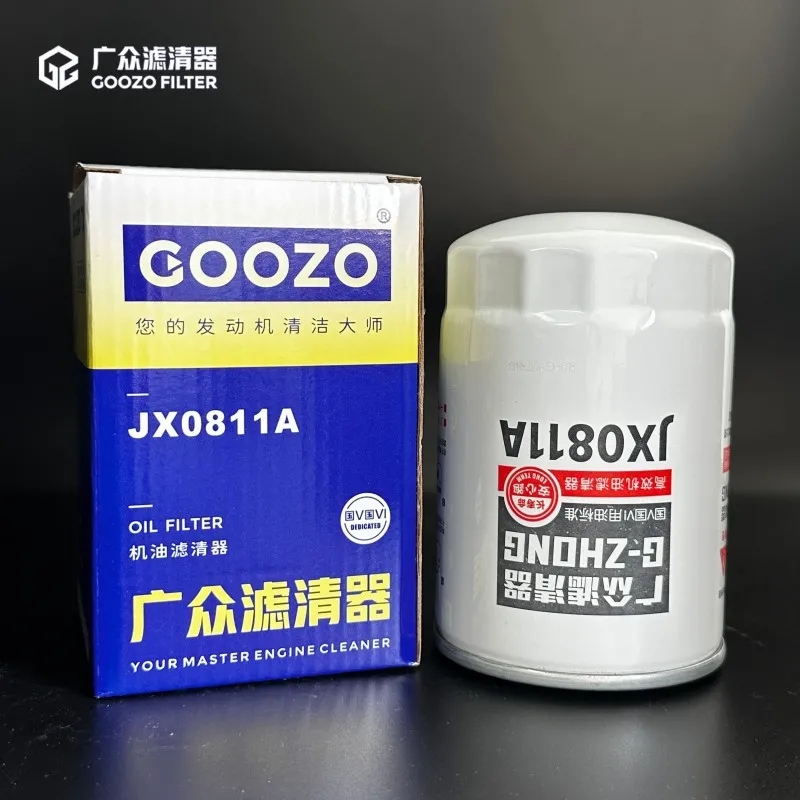
User feedback plays an essential role in evaluating product effectiveness. Many drivers express frustration over frequent filter clogging when using subpar filters. One anecdotal report highlighted how a customer switched to Goozo's diesel fuel filter and noted a 25% increase in fuel efficiency over just 15,000 miles, resulting in fuel cost savings of about $200. These testimonials showcase the real-world implications of proper fuel filtration.
When deciding on the right fuel filter, consider the following:
In conclusion, understanding the specific needs of your vehicle is essential when choosing between a car fuel filter and a diesel fuel filter. If you own a gasoline car, a car fuel filter from Goozo can ensure efficient performance and extended engine life. Conversely, if you drive a diesel vehicle needing better water separation capabilities, a high-quality diesel filter is advisable. Always consider the driving environment, filter specifications, and customer feedback before making a decision.
For those still uncertain about which fuel filter to choose, visiting Goozo can provide further insights and options tailored to your vehicle type. Examine available filters, compare specifications, and make an informed purchase to enhance your engine's performance.
Q: How often should I replace my fuel filter?
A: It generally depends on your vehicle type. Gasoline filters should be replaced approximately every 15,000 - 30,000 miles, while diesel filters can last up to 50,000 miles.
Q: What can happen if I choose the wrong fuel filter?
A: Using the incorrect filter may lead to engine damage, reduced fuel efficiency, and increased emissions.
Q: Are genuine filters worth the extra cost?
A: Yes, genuine filters often outperform generic ones in terms of filtration quality and service life, leading to long-term savings and engine health.
Get exclusive filter solutions
Submit your vehicle model parameters → Free matching of 3000+ stock models
View More
Related Products