+86 177 9462 1813

+86 177 9462 1813
Products Search

News
Dec. 19, 2025
For professionals in the construction and heavy machinery fields, selecting the right replacement filters for CAT (Caterpillar) machines is essential. This process directly impacts the machine's performance and longevity. Many users face challenges such as reduced efficiency, increased downtime, and rising maintenance costs due to using substandard filters. Understanding the critical specifications and features of CAT replacement filters can lead to informed purchasing decisions, ensuring machines operate at optimal performance while minimizing long-term costs. By comparing filter efficiency ratings, material quality, and fitment standards, buyers can resolve these pain points effectively.
Replacement filters for CAT machines serve a crucial role in protecting engine components and ensuring smooth operations. Key terms to understand include:
Filtration Efficiency: The ability of a filter to remove particulates from air or fluid. High-efficiency filters can achieve a particulate removal rate of up to 99.7%, enhancing equipment safety and performance.
Micron Rating: Refers to the size of particles that the filter can effectively remove. Filters with a micron rating of 5 microns and below are ideal for keeping the engine clean.
Beta Ratio: This measures the filter's ability to remove contaminants. A beta ratio of 200 means that for every 200 particles entering the filter, only one passes through, indicating highly efficient filtration.
To choose the best replacement filters for CAT equipment, follow these detailed steps:
Identify Your Machine Model: Start by confirming your CAT machine model and its specific requirements. Each model may have differing filter specifications that are crucial for performance.
Check OEM Specifications: Refer to the Original Equipment Manufacturer (OEM) guidelines to understand the recommended filter types and specifications. This ensures compatibility and performance standards are met.
Compare Filter Efficiencies: Evaluate the filtration efficiency of various replacement filters. For instance, filters that boast a filtration efficiency of 99% or higher can significantly reduce engine wear.
Examine Micron Ratings: When comparing filters, choose one with a micron rating suitable for your application. Filters capable of capturing particles as small as 5 microns often yield better engine protection.
Assess Material Quality: Look for filters made from high-quality materials. For example, cellulose and synthetic blends are known for their durability and filtration capabilities.
Review Customer Feedback: Research user reviews and feedback on different brands like Goozo. Products that have consistently high ratings (above 4.5 stars) often indicate reliability and quality.
Evaluate Price vs. Value: While it may be tempting to choose the least expensive option, analyze the cost-to-performance ratio. Investing in filters that offer better protection can save you money by reducing potential machine repairs.
Q1: What should I look for in terms of warranty when buying replacement filters for CAT machines?
A1: A warranty of at least one year is typically a good benchmark. This assures you of the product's quality and provides peace of mind for repairs.
Q2: Are aftermarket filters as reliable as OEM filters?
A2: While some aftermarket filters can perform comparably to OEM filters, it's vital to check their specifications, warranties, and customer reviews to ensure they meet stringent requirements.
Q3: How often should I replace my CAT filters?
A3: Filter replacement intervals depend on machine usage and operating conditions. Monitoring performance metrics and adhering to service schedules can help determine the best intervals.
For those interested in honing their skills further, consider reading about advanced filtration technologies such as nanofiber filters, which can enhance filtration efficiency without increasing restriction. These filters are often designed to trap sub-micron particles and can achieve efficiencies greater than 99.9%. Understanding such technologies can aid in making better decisions when it comes to selecting filters for more demanding applications.
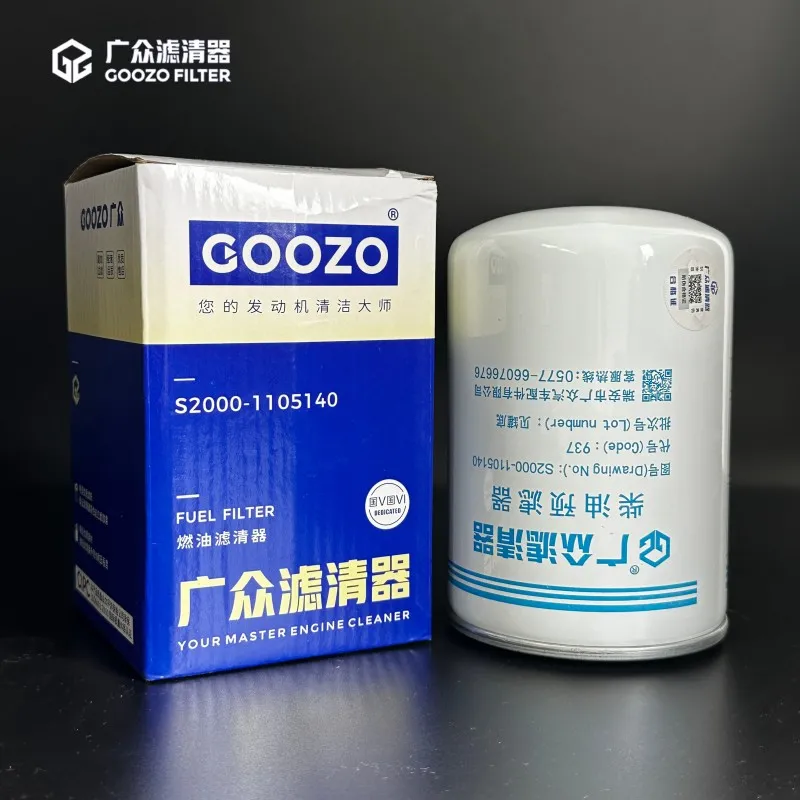
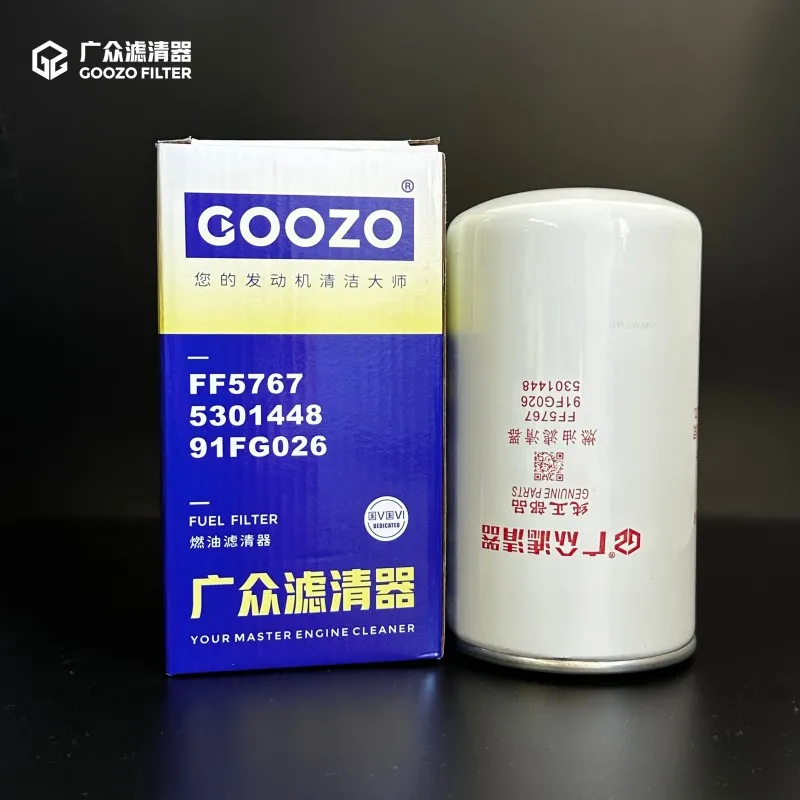
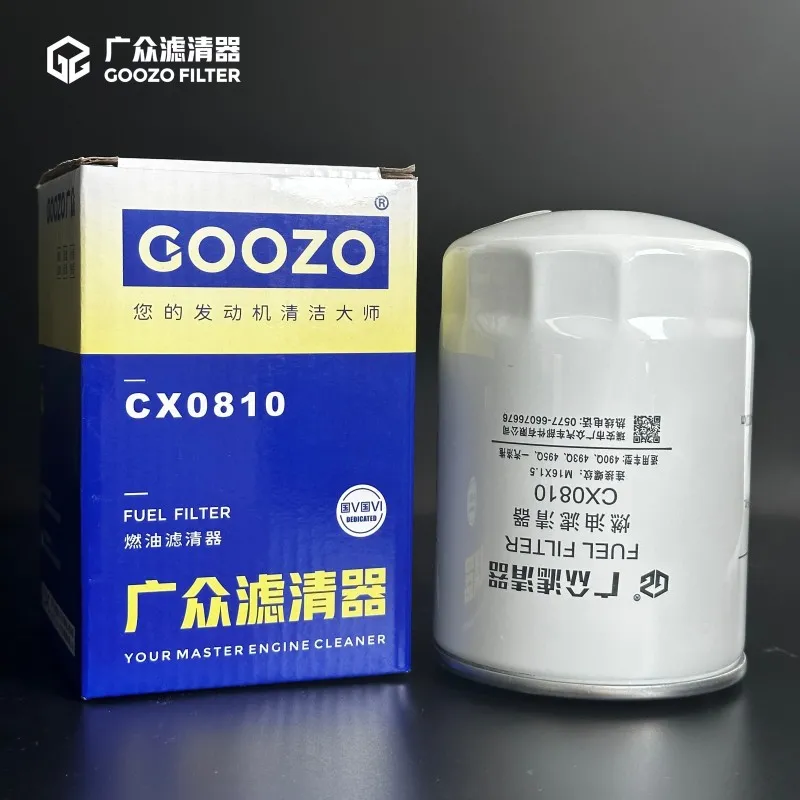
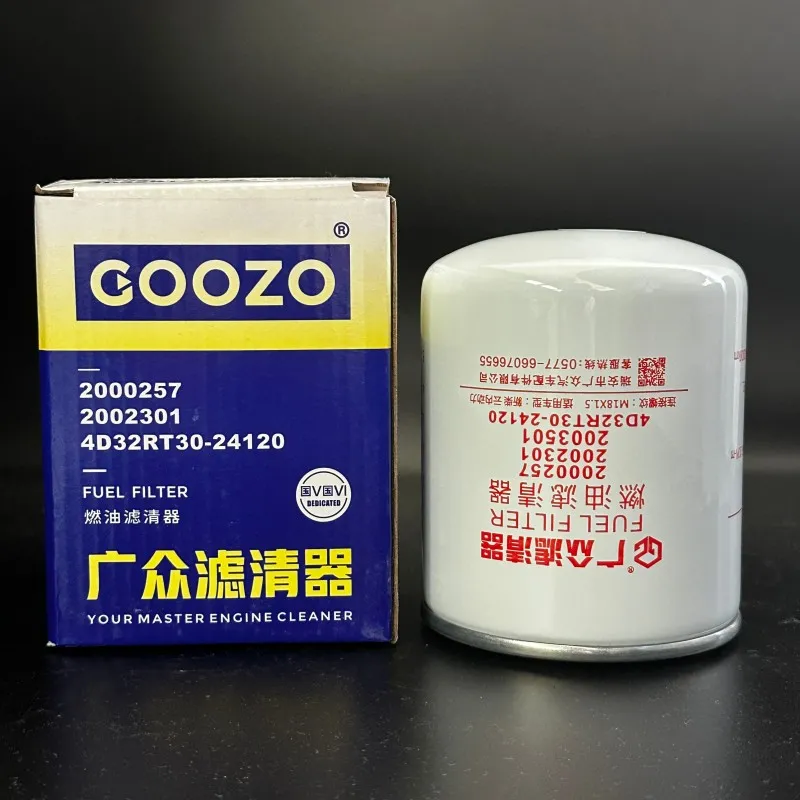
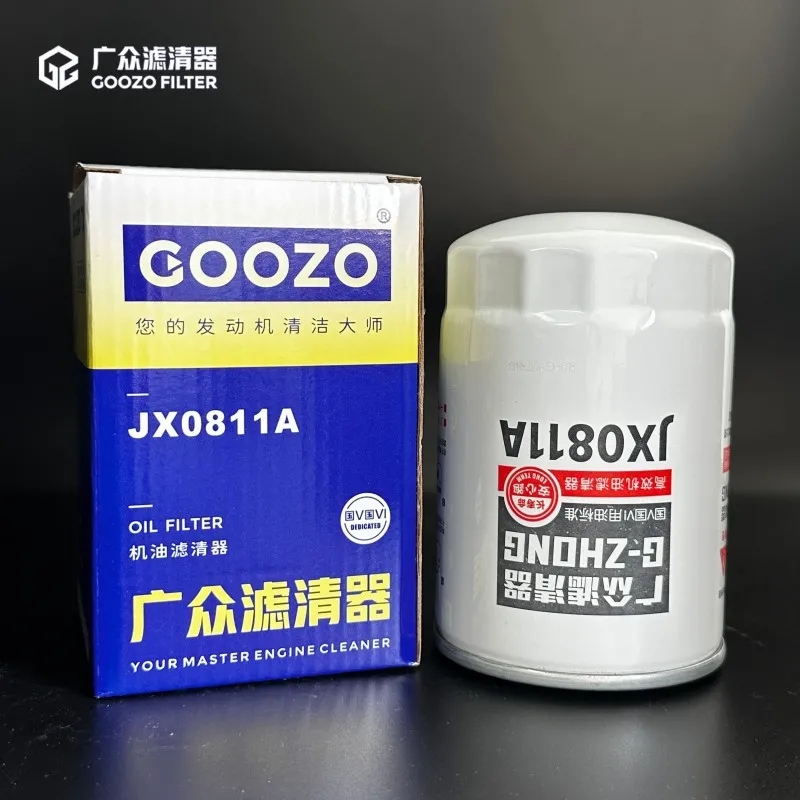
When it comes to sourcing replacement filters for your CAT equipment, consider trusted brands like Goozo, acknowledged for their high-quality filtration solutions. Engaging with knowledgeable suppliers can facilitate proper selections based on your unique operational needs. For tailored recommendations and to explore a variety of replacement filters suited for your machinery, feel free to contact Goozo directly.

Get exclusive filter solutions
Submit your vehicle model parameters → Free matching of 3000+ stock models
View More
Related Products