+86 177 9462 1813

+86 177 9462 1813
Products Search

News
Dec. 24, 2025
Many truck and construction machinery owners face issues caused by contaminated fuel. The diesel filtration system plays a crucial role in keeping engines running smoothly. Without proper filtration, dirt, water, and other impurities can harm your engine and decrease performance. This can lead to costly repairs and downtime. Upgrading your diesel filtration system can improve the efficiency of your machinery while extending its lifespan. Making the right changes to your filtration system can resolve these problems and enhance your equipment's performance.

Upgrading your diesel filtration system can significantly enhance engine performance, reduce maintenance costs, and extend the life of your trucks and construction machinery.
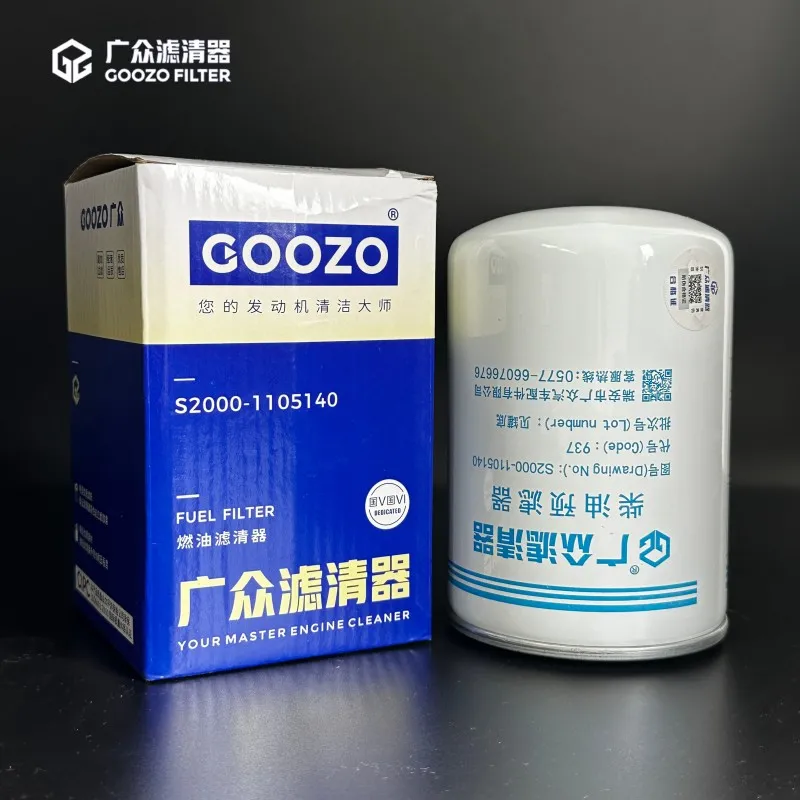
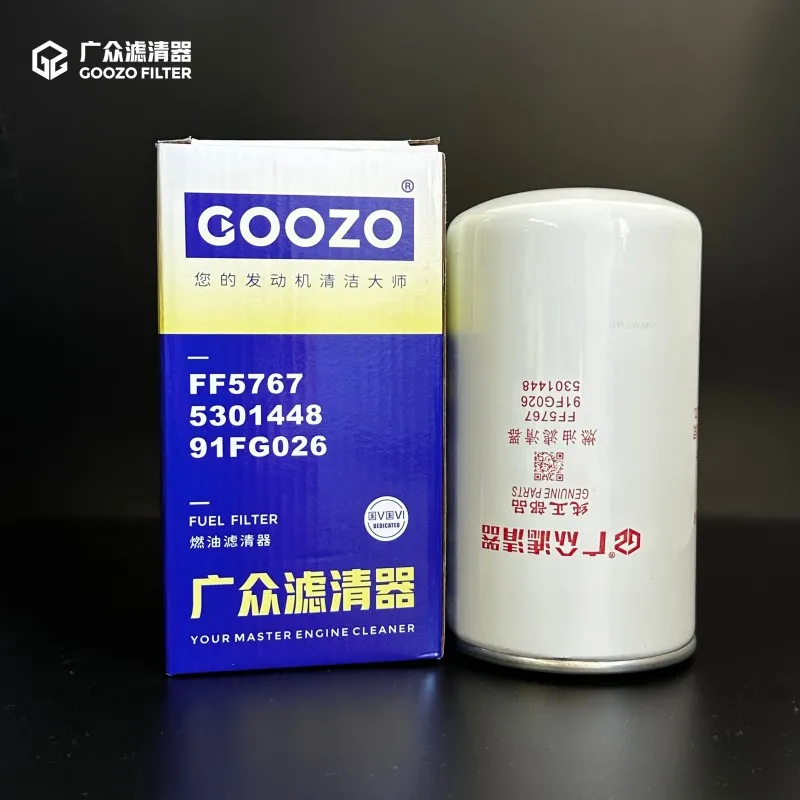
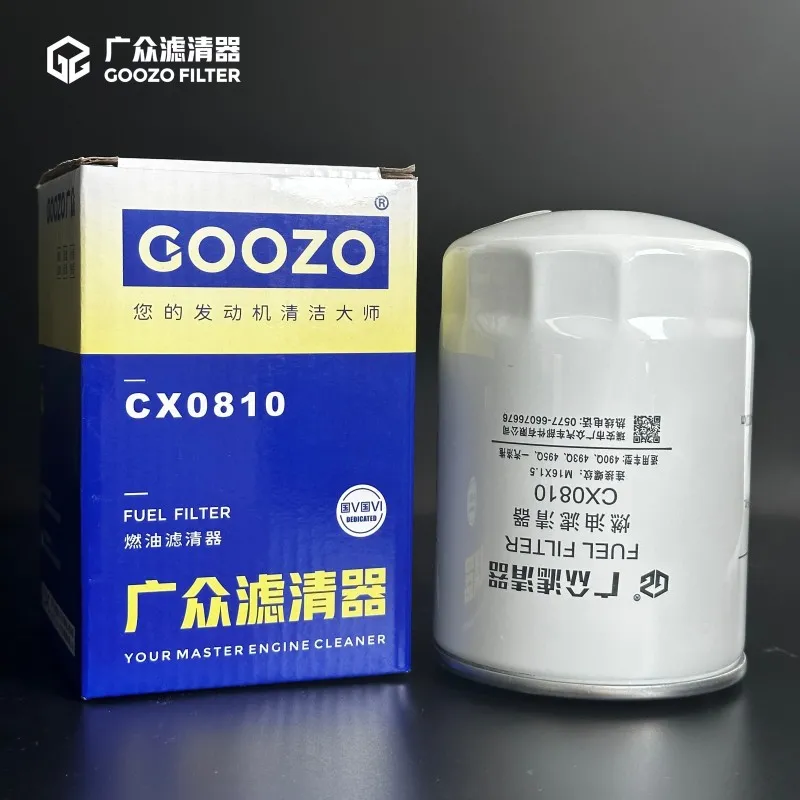
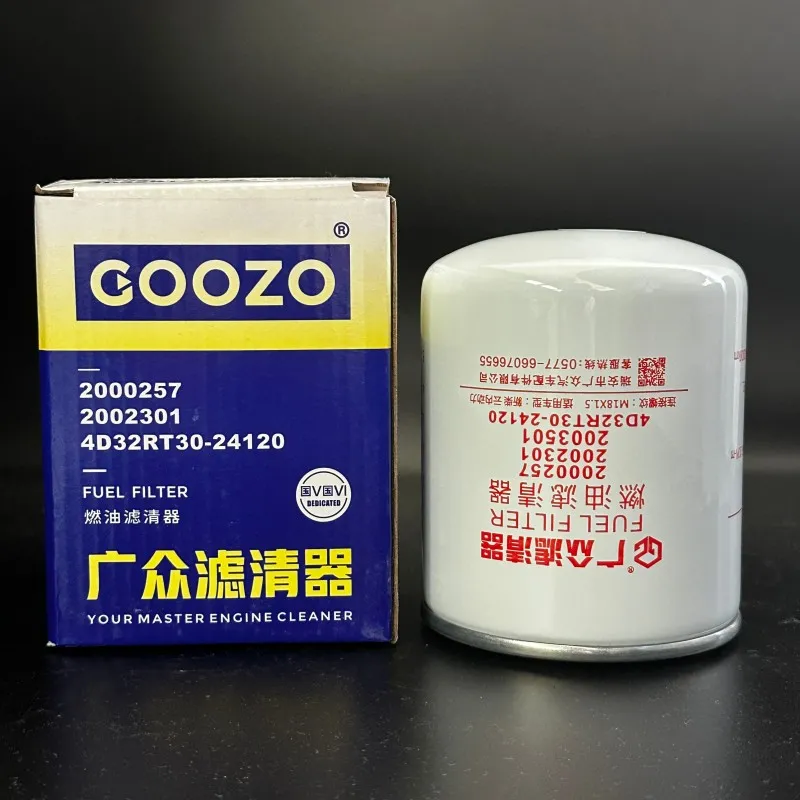
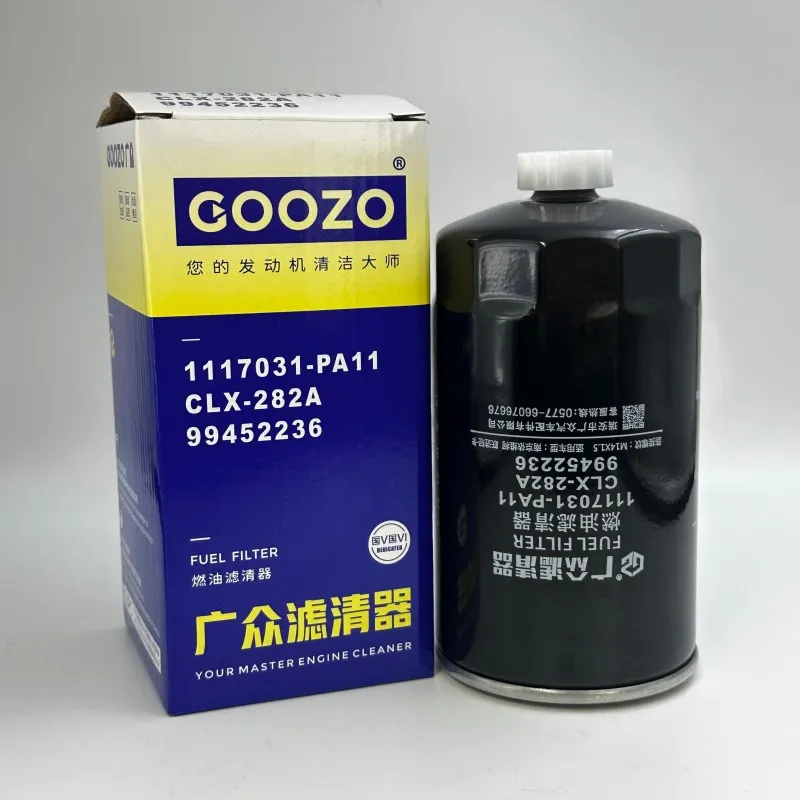
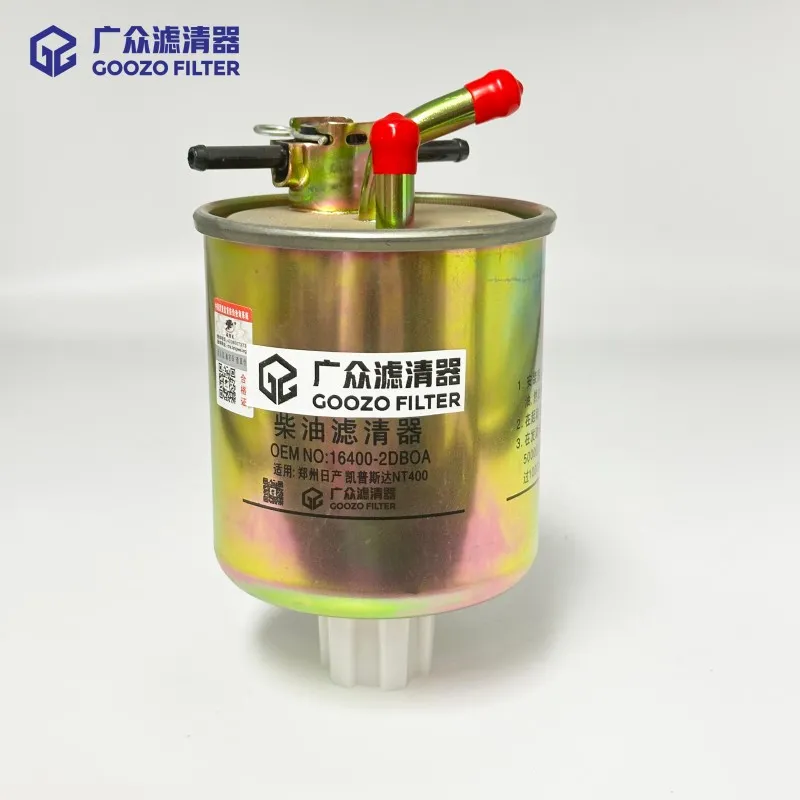
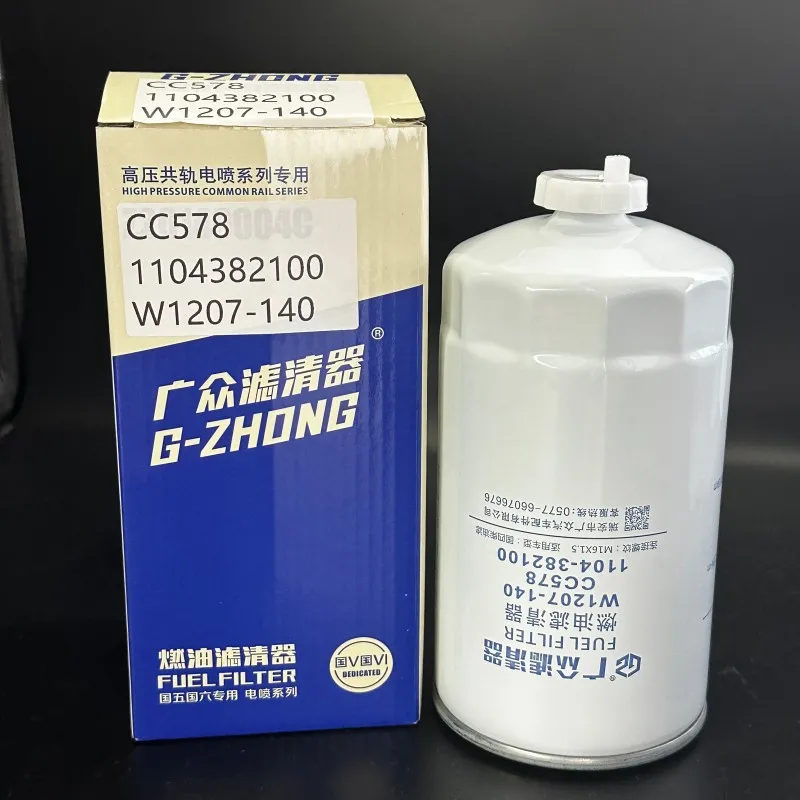
A high-quality fuel filter can trap finer particles and provide better protection for your engine. Look for filters with better filtration ratings.
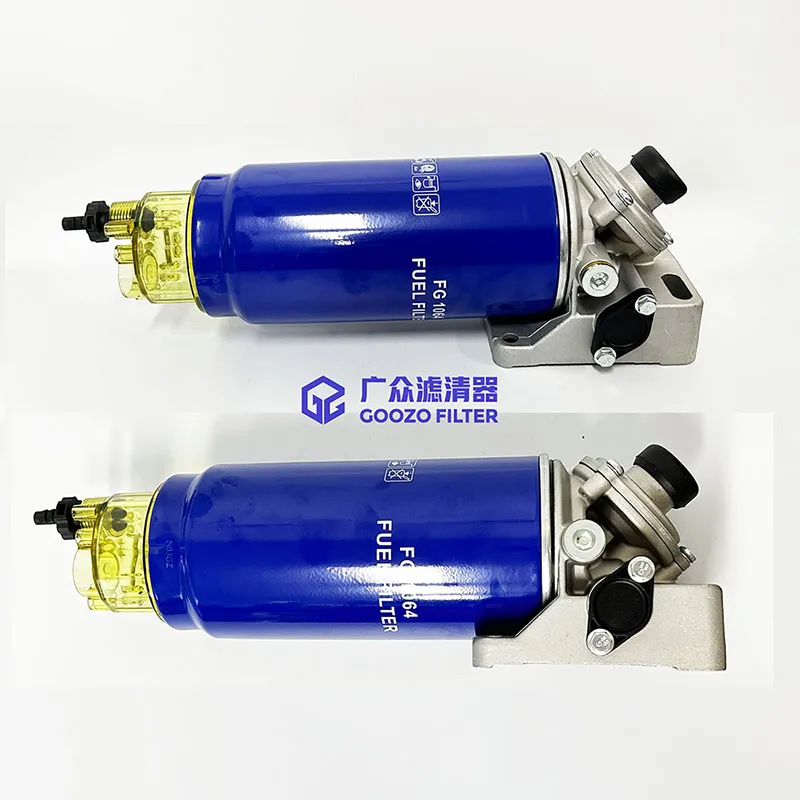
Adding a secondary fuel filter provides an extra layer of protection. It can catch contaminants that might slip through the primary filter, ensuring cleaner fuel reaches your engine.
Water can cause serious damage to diesel engines. A water separator removes moisture from the fuel, preventing fuel system damage and improving performance.
In cold temperatures, fuel can gel and clog filters. A fuel system heater keeps the diesel flowing smoothly, enhancing engine reliability during winter conditions.
Regularly check and replace filters as needed. Consistent maintenance ensures that your diesel filtration system operates efficiently and prolongs engine life.
In conclusion, enhancing your diesel filtration system is vital for optimal truck and construction machinery performance. By adopting key upgrades like high-quality filters and water separators, you can protect your engine from contaminants, leading to improved efficiency and reduced repair costs. Keeping your machinery in top shape now can save you time and money in the future.
Q1: How often should I replace my fuel filter?
A1: You should replace your fuel filter every 10,000 to 15,000 miles, or as recommended by your vehicle's manufacturer.
Q2: What happens if I don't upgrade my diesel filtration system?
A2: Without upgrades, your engine may experience reduced performance, increased maintenance costs, and a shorter lifespan.
Q3: Can diesel fuel additives help with filtration issues?
A3: Yes, diesel fuel additives can improve fuel quality, reduce contaminants, and enhance the function of your filtration system.
Q4: Are there specific filters for different types of diesel engines?
A4: Yes, there are various filters designed for specific engines. It's important to choose a filter that matches your engine type.
Q5: How do I know if my diesel filtration system needs an upgrade?
A5: Signs include decreased fuel efficiency, engine hesitation, and excessive exhaust smoke. Regular inspections can help identify issues early.
Get exclusive filter solutions
Submit your vehicle model parameters → Free matching of 3000+ stock models
View More
Related Products