+86 177 9462 1813

+86 177 9462 1813
Products Search

News
Dec. 30, 2025
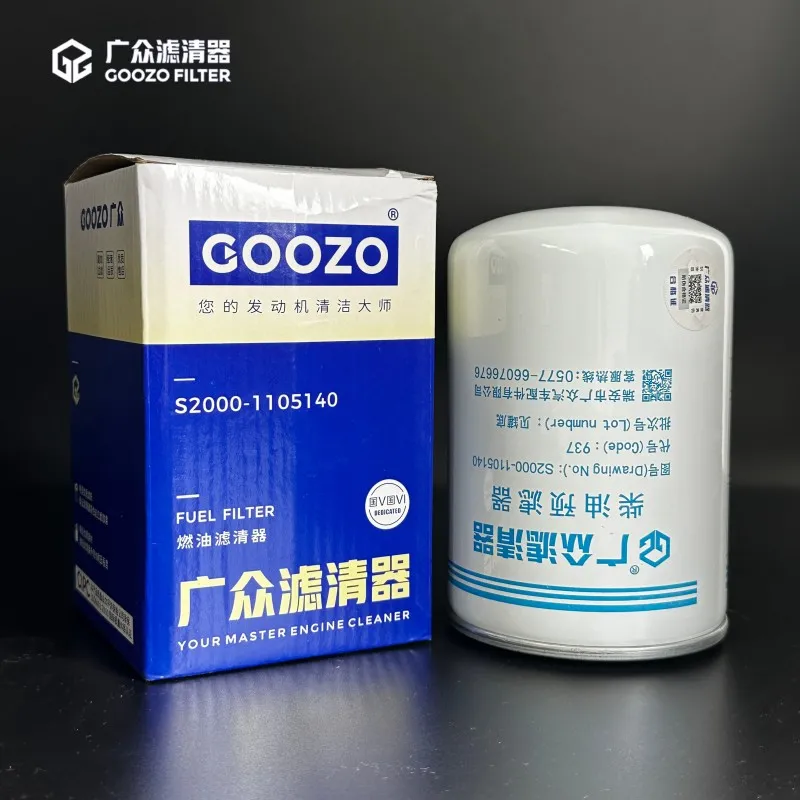
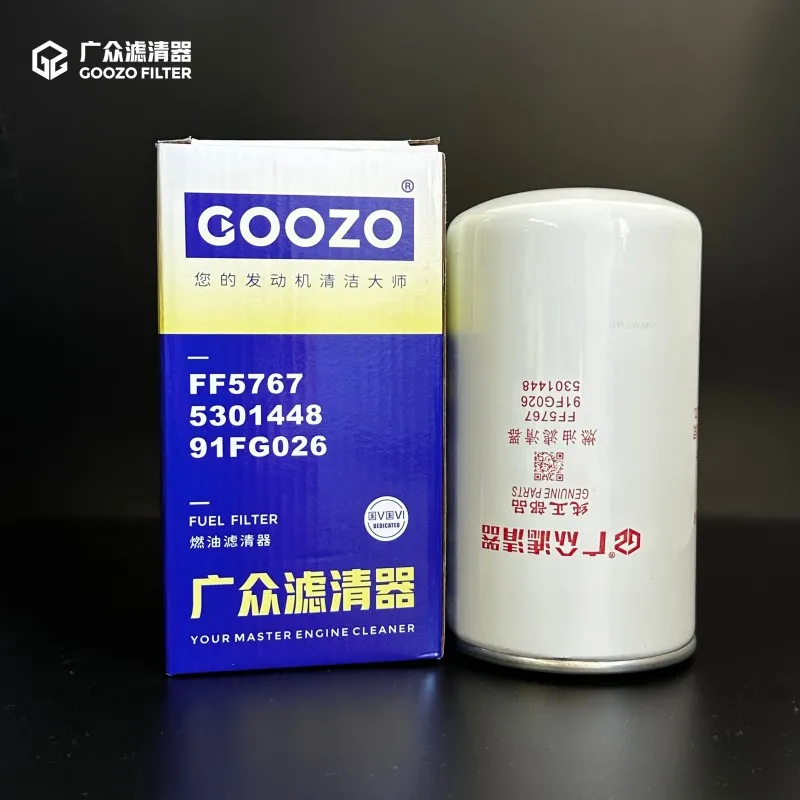
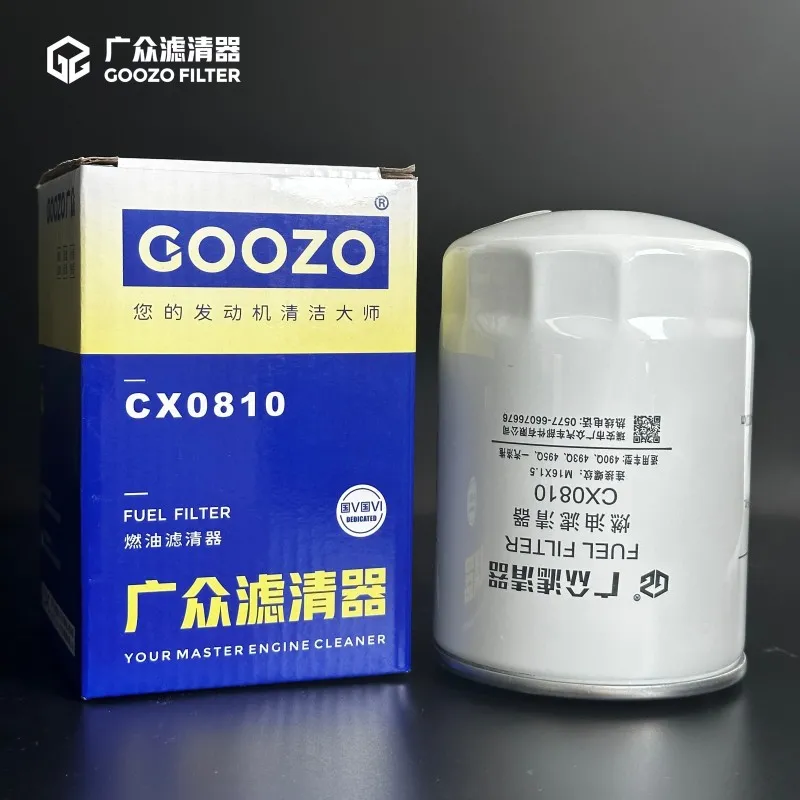
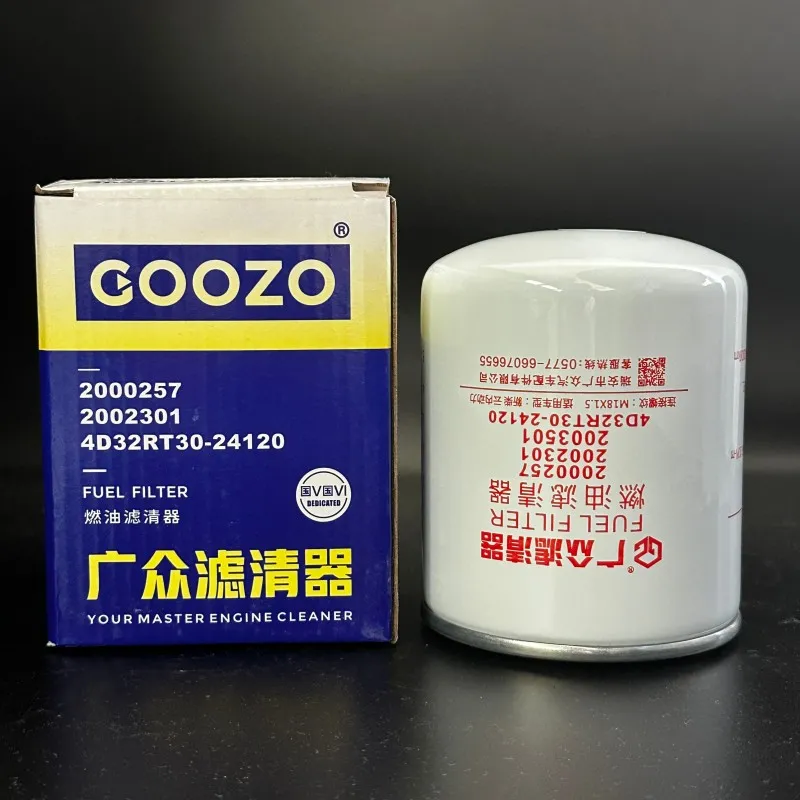
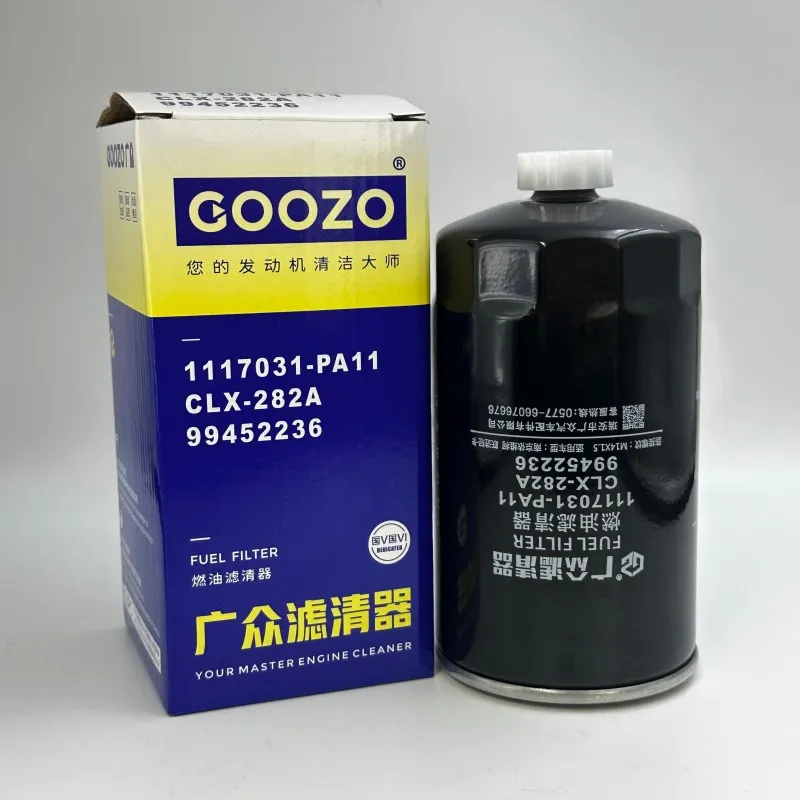
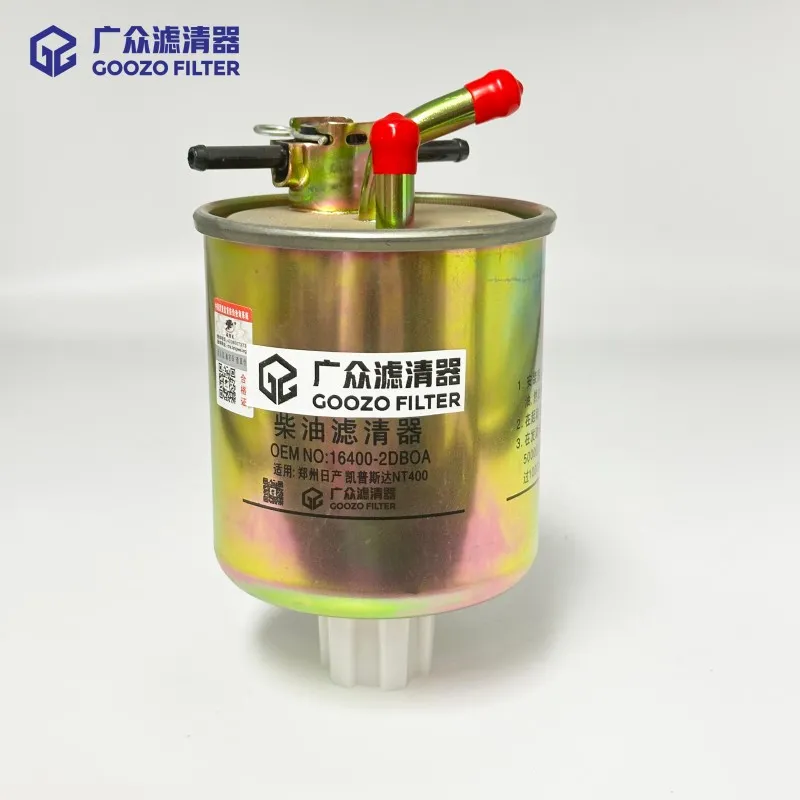
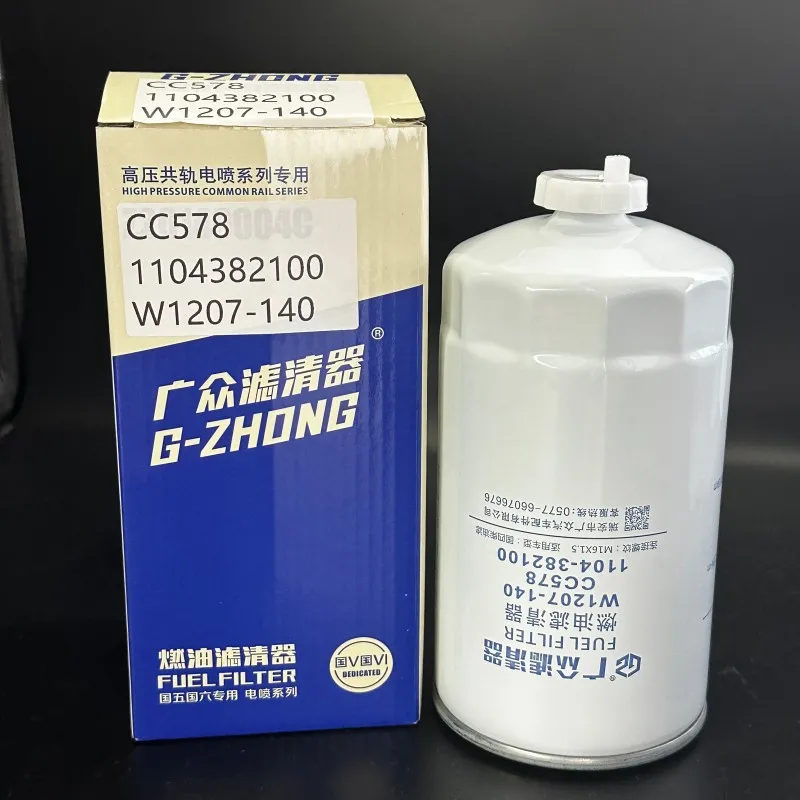
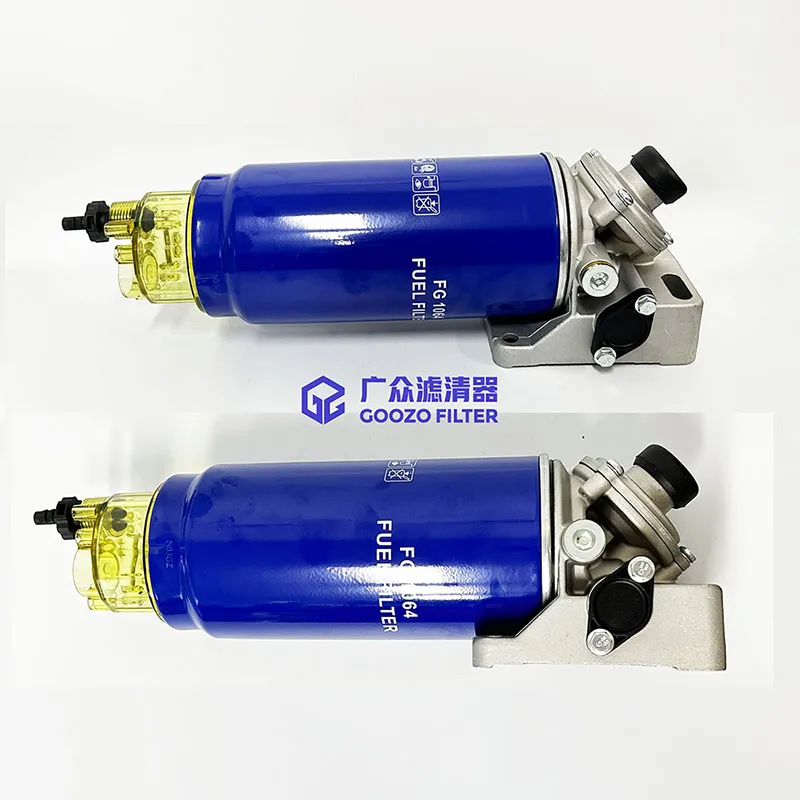
When it comes to the performance and longevity of diesel engines, one critical component often overlooked is the diesel fuel filter. Many vehicle owners face challenges due to poor fuel quality, leading to issues such as reduced efficiency and increased repair costs. This article outlines the importance of filtration precision in diesel fuel filters, highlighting pain points like engine wear, unanticipated downtime, and fuel contamination scenarios. We'll explore effective solutions that can enhance engine performance, ensure reliability, and ultimately save money. Let’s uncover how choosing the right diesel fuel filters, such as those offered by Goozo, can significantly impact your vehicle's health.
Diesel fuel filters serve a crucial function by trapping impurities and particulates found in fuel. Filtration is essential because diesel fuel can contain water, dirt, and microbial contamination, all of which can lead to engine performance issues. According to the National Biodiesel Board, impurities in diesel fuel can account for 70% of fuel system failures. Utilizing high-quality diesel fuel filters can reduce the chances of these problems significantly.
Investing in effective diesel fuel filtration systems enhances vehicle performance in various ways. For instance, precision diesel fuel filters ensure that contaminants are removed down to 2-5 microns, which can result in a dramatic 40% increase in engine efficiency. Moreover, a well-filtered diesel engine runs with reduced wear, prolonging the lifespan of engine components. Companies that have adopted precise filtration methods report a 30% reduction in repair costs from fuel-related issues, a crucial consideration for fleet operators and individual vehicle owners alike.
Neglecting to use high-quality diesel fuel filters can lead to problematic outcomes. For example, engines relying on subpar filtration can experience clogs leading to reduced fuel flow, resulting in decreased horsepower and an average 25% drop in fuel economy. This situation creates a vicious cycle—poor filtration leads to more frequent repairs and increased operational costs. Let’s take a closer look at how insufficient filtration can impact overall vehicle performance.
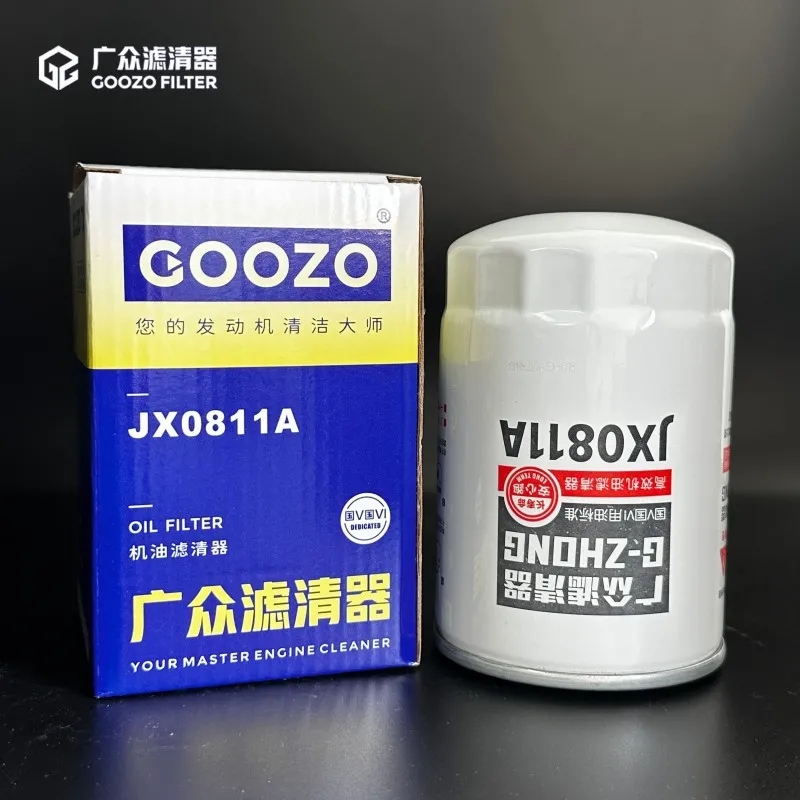
When comparing high-quality diesel fuel filters to subpar options, the benefits become evident. Using a high-efficiency filter like those produced by Goozo can mean the difference between a smoothly running engine and one plagued with issues. For instance, tests show that high-quality filters outperform their lower-quality counterparts by effectively removing 98% of solid contaminants versus just 50% filtration effectiveness for subpar filters. This leads to improved engine health, greater reliability, and enhanced fuel economy.
In summary, selecting the right diesel fuel filters is crucial for maintaining engine efficiency and reliability. The benefits of precise filtration, such as increased engine longevity and reduced operational costs, provide a compelling case for investing in high-quality products like Goozo's diesel fuel filters. Don’t overlook the significant advantages that come with using superior filtration technology.
If you’re looking to optimize your vehicle’s performance while minimizing maintenance costs, consider trying Goozo diesel fuel filters today. Experience the difference that precision filtration can make.
It's recommended to replace diesel fuel filters every 10,000 to 15,000 miles, or as specified in your vehicle’s manual, to ensure optimal performance.
Yes, using low-quality diesel fuel can lead to increased contamination, resulting in more frequent repairs and reduced engine efficiency.
High-efficiency diesel fuel filters offer finer filtration, removing smaller particles and contaminants, which leads to better engine performance and longevity compared to standard filters.
Get exclusive filter solutions
Submit your vehicle model parameters → Free matching of 3000+ stock models
View More
Related Products