+86 177 9462 1813

+86 177 9462 1813
Products Search

News
Dec. 31, 2025
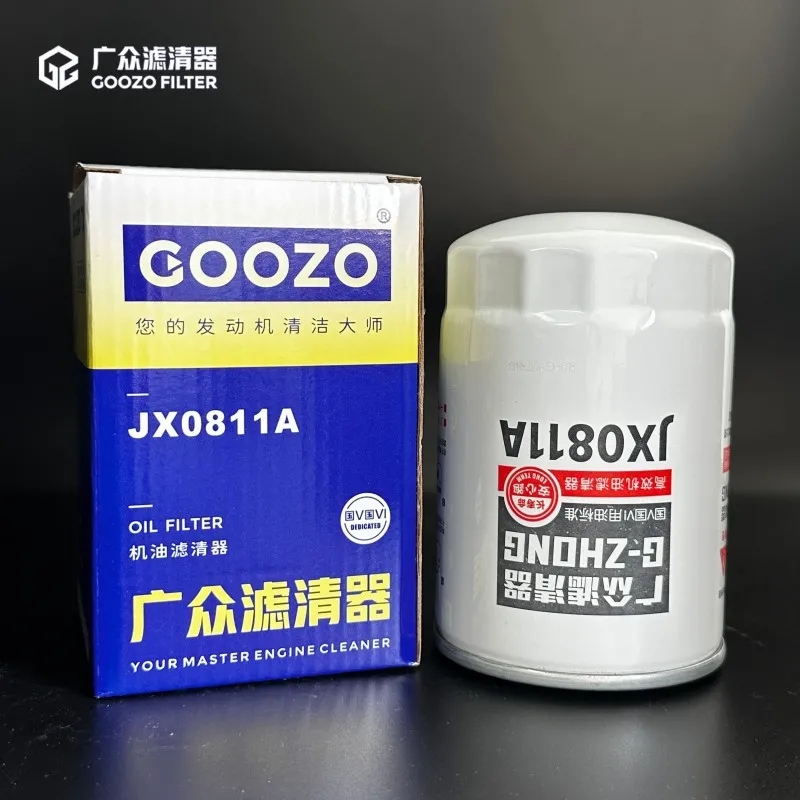
Replacing your engine oil filter is critical for maintaining your vehicle's health, yet many car owners make common mistakes that can lead to costly repairs. Understanding the importance of oil filter maintenance can significantly enhance your engine's performance by ensuring it operates smoothly and efficiently. According to a study by the Automotive Oil Change Association, replacing your oil filter every 3,000 to 5,000 miles can improve engine longevity by up to 40%. In this article, we will highlight common pitfalls during the engine oil filter replacement process, provide solutions to avoid them, and empower you to keep your engine running optimally.
Why: Using an incompatible oil filter can lead to leaks or engine damage.
Operation Method: Always check your vehicle's manual for the correct filter specifications. Cross-reference with reputable brands like Goozo to ensure compatibility.
Suitable for users who are attempting a DIY oil change and want to avoid compatibility issues that could compromise their engine's performance.
Why: Changing the oil filter without changing the oil itself is ineffective.
Operation Method: Always replace the oil and filter together; as the new filter may quickly become clogged with old oil residues.
This advice is ideal for anyone looking to maximize engine protection and ensure proper filtration during engine oil changes.
Why: A disorganized workspace can lead to lost tools and improper installation.
Operation Method: Gather all necessary tools like the oil filter wrench, new oil filter, oil catch pan, and clean rags beforehand.
Organization is crucial for DIY enthusiasts to maintain efficiency during the oil change process.
Why: This can cause filter damage or leaks.
Operation Method: Hand tighten the filter by following the manufacturer's instructions, generally 3/4 to 1 full turn after the rubber gasket makes contact.
Recommended for those inexperienced with oil filter installation, as over-tightening is a frequent error.
Why: A dry gasket can cause a poor seal, leading to leaks.
Operation Method: Apply a small amount of new engine oil on the rubber gasket of the new filter before installation.
This is crucial for all users to ensure a proper seal and avoid future leaks.
Why: Continuing to drive with a clogged oil filter can damage the engine.
Operation Method: Regularly check for warning signs such as low oil pressure or unusual noises. Change the filter immediately if these symptoms appear.
Ideal for car owners not familiar with oil filter maintenance symptoms.
Understanding and avoiding common mistakes during engine oil filter replacement is paramount to maintain your vehicle's performance. Always check for compatibility, change oil simultaneously, prepare your workspace, tighten adequately, lubricate gaskets, and monitor for symptoms of clogging. By following these tips, you can ensure a smoother, more efficient engine operation.
It is generally recommended to replace your engine oil filter every 3,000 to 5,000 miles, depending on your vehicle's specifications and driving habits.
No, reused oil filters can lead to contamination and potential engine damage, as they may not effectively filter out impurities from the oil.
Common symptoms include low oil pressure, engine knocking sounds, and a decrease in overall performance. If you notice these signs, it is best to replace the oil filter immediately.
You will need an oil filter wrench, a new oil filter, an oil catch pan, a funnel, and rags for cleanup.
While many can successfully replace an oil filter themselves, those unsure of the process or lacking tools may benefit from professional assistance to avoid mistakes.
By applying these practices, you can ensure a successful engine oil filter replacement, greatly enhancing your vehicle's performance and lifespan.
Get exclusive filter solutions
Submit your vehicle model parameters → Free matching of 3000+ stock models
View More
Related Products