+86 177 9462 1813

+86 177 9462 1813
Products Search

News
Jan. 01, 2026
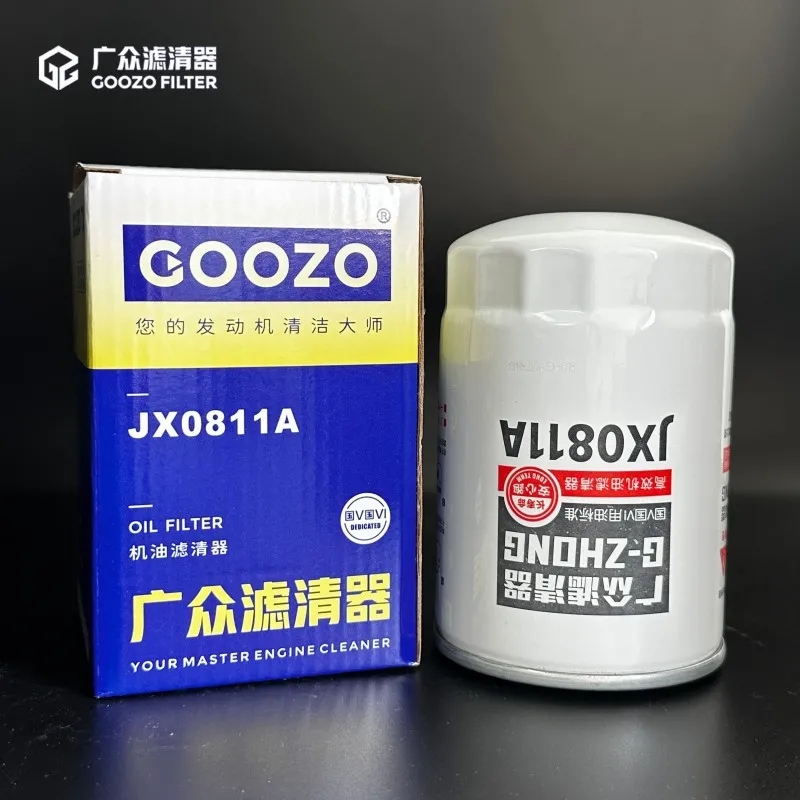
When facing the challenges of heavy machinery maintenance, operators often overlook the crucial role of excavator filters in preventing engine wear. Whether it’s the hydraulic filter, fuel filter, or oil filter, the consequences of neglecting these components can lead to significant downtime and repair costs. For instance, a construction contractor in Texas shared how replacing a clogged hydraulic filter on his excavator reduced engine wear by 25% and extended equipment life. Understanding and implementing proper filtration solutions like those offered by Goozo can save substantial time and money.
Excavator filters serve as the first line of defense against contaminants that can degrade engine performance. Users often face several pain points, such as unexpected equipment failures, reduced efficiency, and higher operational costs. The primary intention behind using quality filters is to ensure longevity and reliability of machinery in demanding environments. With Goozo's advanced filtration technology, contractors can mitigate risks and enhance productivity.
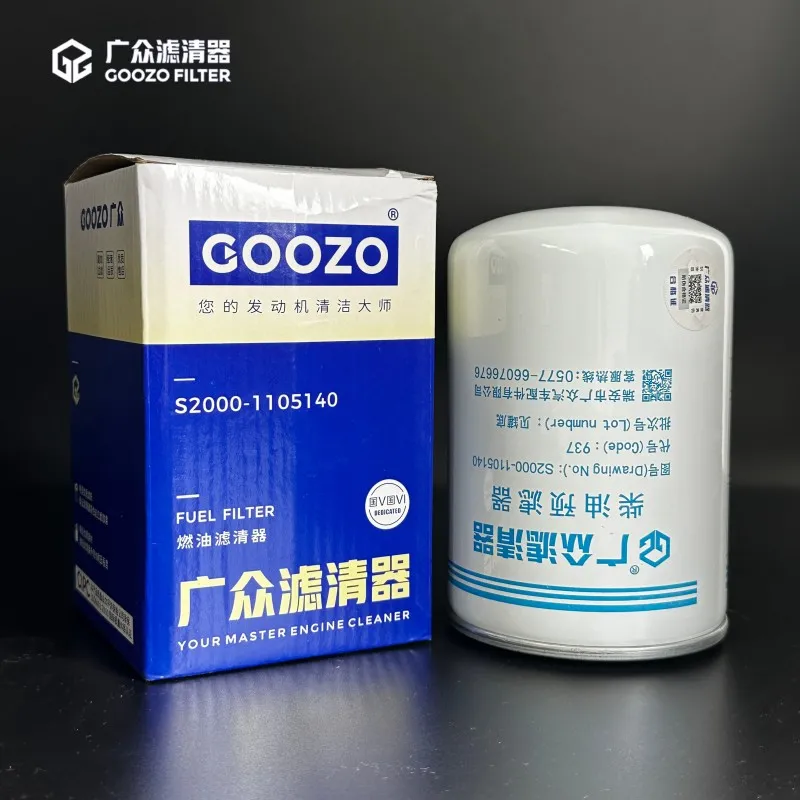
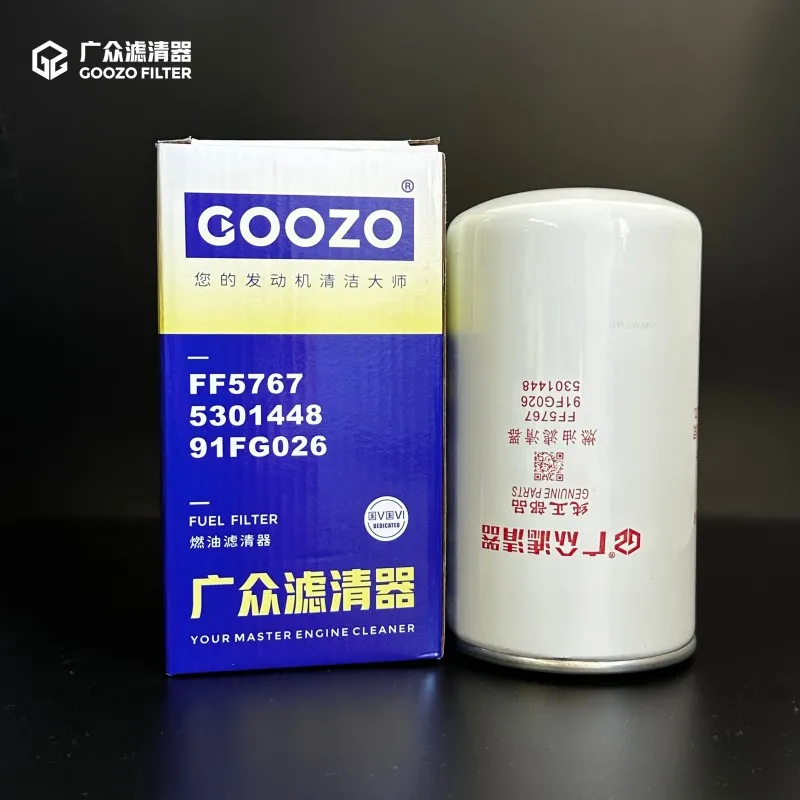
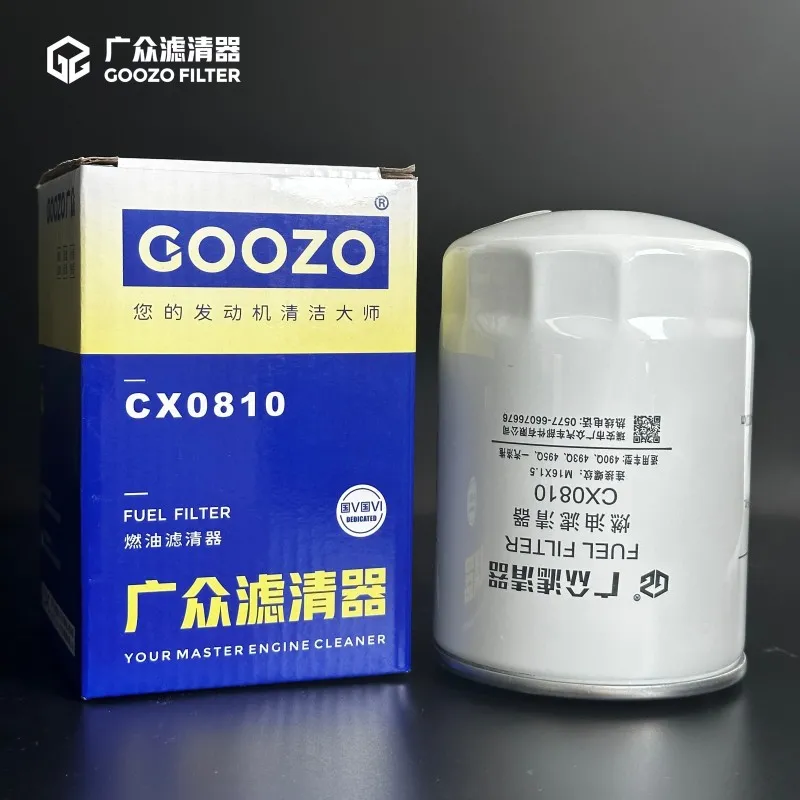
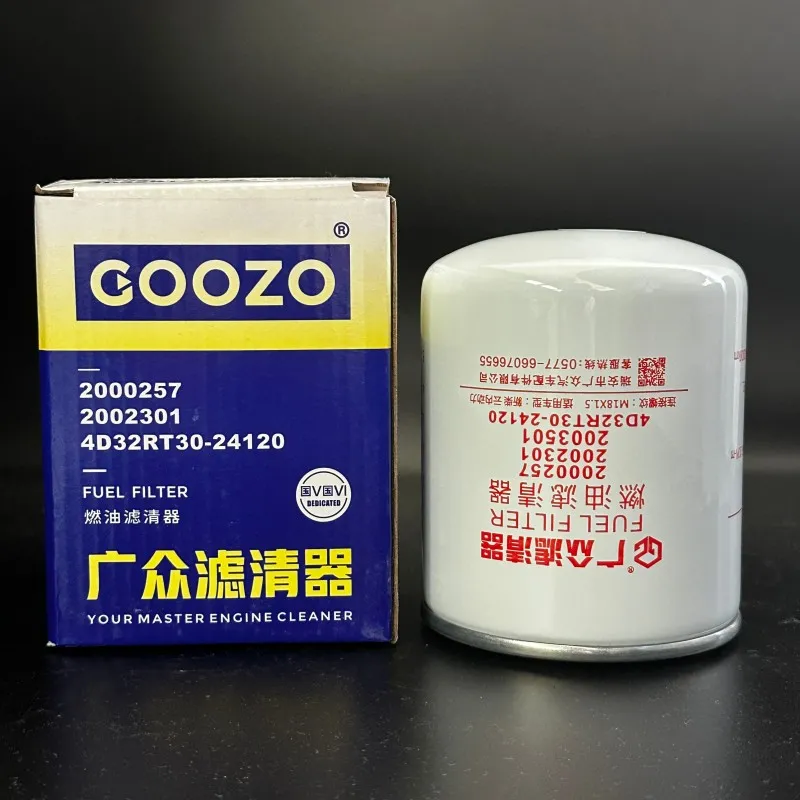
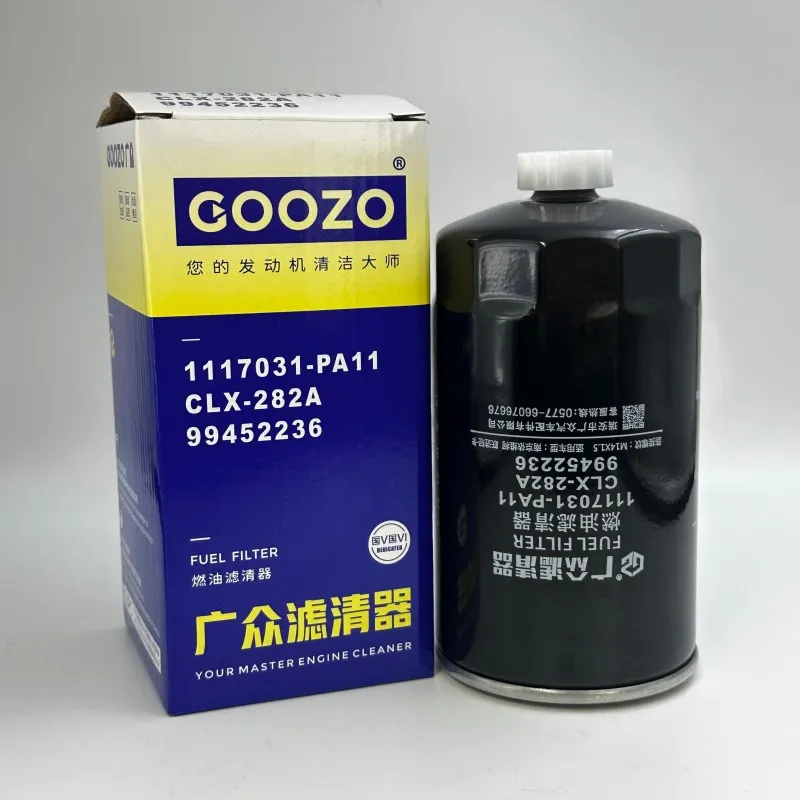
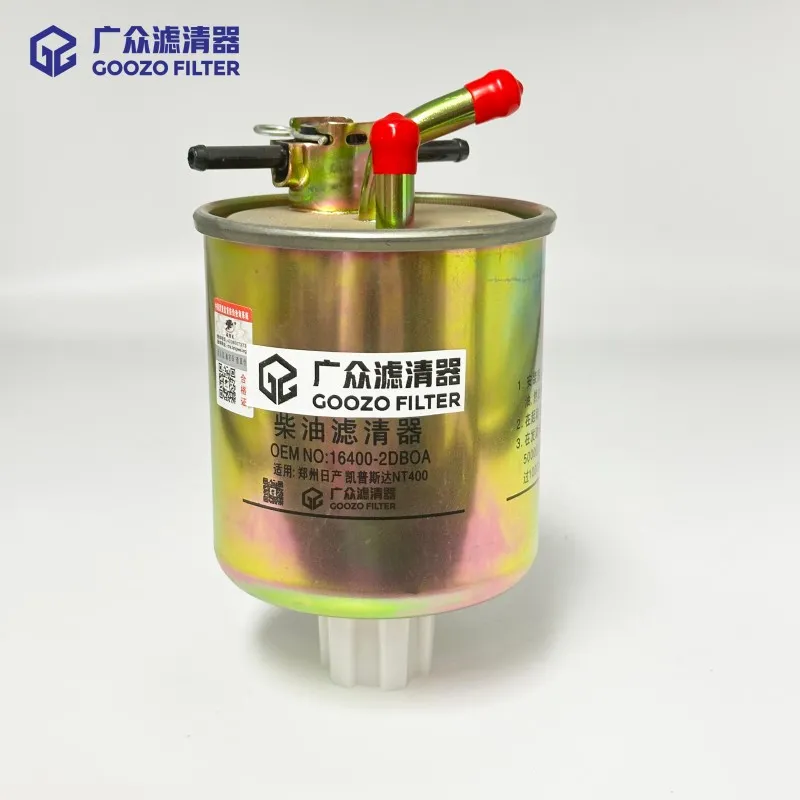
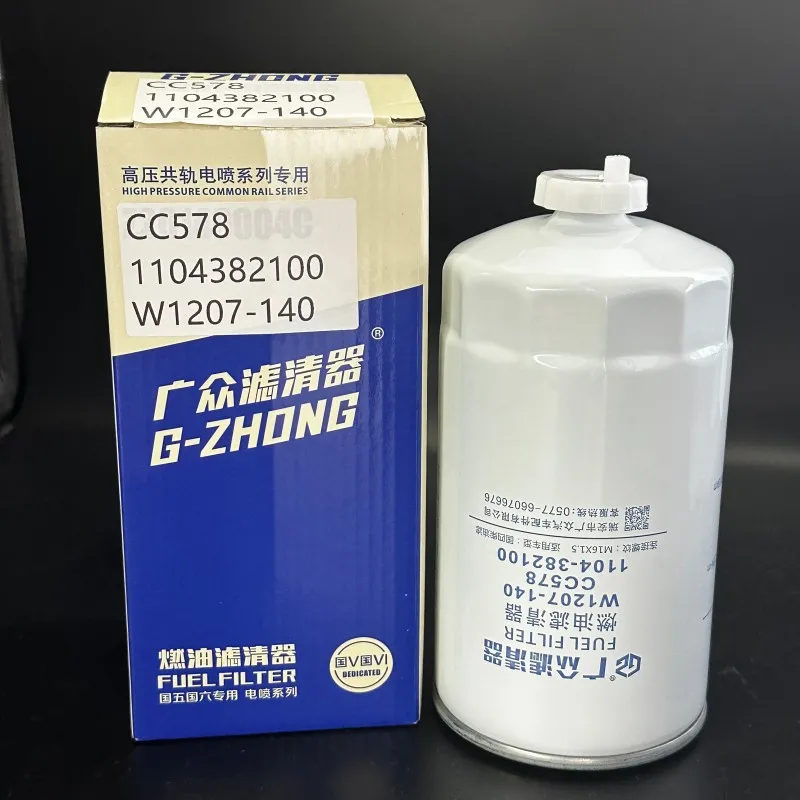
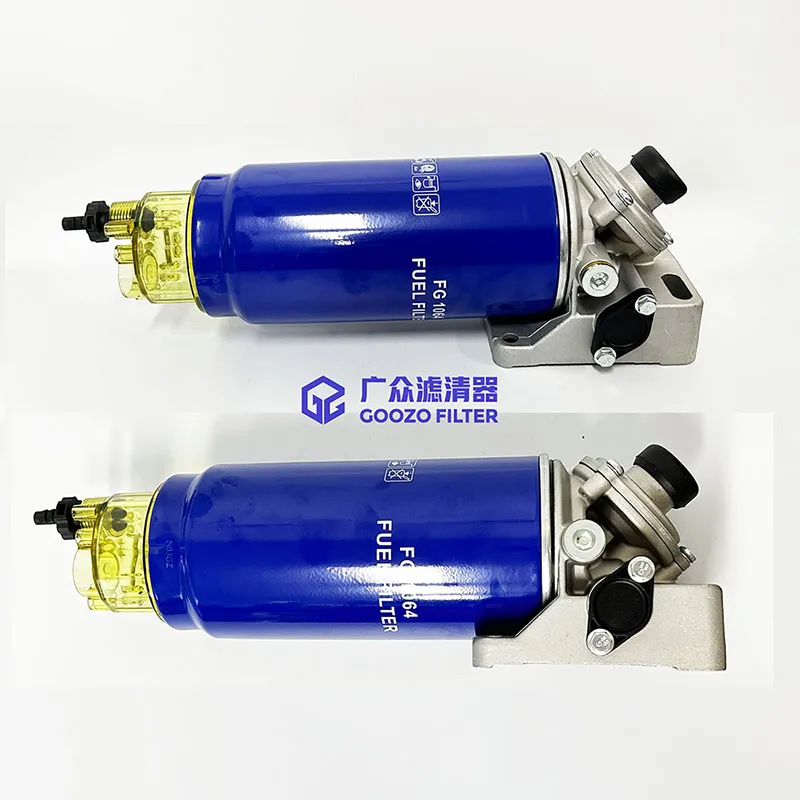
Familiarize yourself with the three main types of filters in excavators: hydraulic filters, oil filters, and fuel filters. Each type plays a unique role in maintaining engine performance.
Gather the right materials including replacement filters, cleaning supplies, and protective equipment (gloves, goggles).
Ensure you have tools at hand such as wrenches, screwdrivers, and oil drain pans for the maintenance process.
Replacing excavator filters is a straightforward process. Here’s a clear and actionable step-by-step guide:
Ensure Safety: Always start by turning off the engine and allowing it to cool down. Disconnect the battery to eliminate any risk of electrical shock.
Locate the Filters: Identify the location of the hydraulic filter, oil filter, and fuel filter in your excavator model. Refer to the manufacturer's manual for specifics.
Prepare for Removal: Use an oil drain pan to collect any residual fluids. Be sure to wear gloves and goggles for protection.
Remove Old Filters: Using the appropriate tools, carefully unscrew the old filters. Dispose of them in accordance with local environmental regulations.
Clean Filter Attachments: Wipe down the mounts with a clean cloth to remove dirt and old gasket material.
Install New Filters: Apply a thin layer of oil on the gasket of the new filter, then screw it on tightly, but avoid over-tightening.
Check for Leaks: Reconnect the battery and start the engine. Let it idle and inspect the newly installed filters for any leaks.
Reset Service Indicators: If applicable, reset any service light indicators on the machinery.

Many operators make errors when it comes to excavator filter maintenance. Here are a few common mistakes alongside their solutions:
Using Incorrect Filters: Always use OEM or high-quality aftermarket filters that meet the specifications for your excavator model, such as those from Goozo.
Neglecting Regular Maintenance: Schedule routine maintenance checks every 250 hours of operation to ensure optimal performance.
Improper Installation: Double-check the installation of filters to avoid cross-threading which can lead to leaks.
Excavator filters play a critical role in preventing engine wear and enhancing the lifespan of construction equipment. By regularly replacing filters and following best practices, operators can ensure their machinery runs efficiently, reducing downtime significantly. For best results, consider using Goozo filters specifically designed to exceed industry standards.
Generally, filters should be replaced every 250 hours of operation, but always refer to the manufacturer's guidelines for your specific model.
Neglecting filter changes can lead to increased engine wear, reduced efficiency, and potential engine failure due to contamination.
Yes, but ensure that the aftermarket filters meet or exceed the specifications set by the manufacturer to guarantee performance.
Get exclusive filter solutions
Submit your vehicle model parameters → Free matching of 3000+ stock models
View More
Related Products