+86 177 9462 1813

+86 177 9462 1813
Products Search

News
Apr. 28, 2026
Excavators are invaluable in construction and agriculture, but they face significant issues, particularly when it comes to fuel filter blockages. When fuel filters become blocked, machinery operates inefficiently, leading to costly downtime and decreased productivity. According to industry reports, 45% of excavator downtime is attributed to fuel system issues. Effective maintenance can drastically improve equipment longevity and performance. In this guide, we delve into the causes of fuel filter blockage, present maintenance solutions, and explain how these solutions can enhance efficiency in various scenarios.
Why it matters: Ensuring consistent performance and preventing blockages.
Excavator fuel filters should be replaced every 500 hours of operation or as specified in the OEM manual. Failure to do so can lead to reduced engine performance and increased wear on fuel injectors.
Why it matters: The quality of fuel directly impacts the health of your fuel system.
Poor-quality fuels often contain contaminants that can clog filters. According to the American Petroleum Institute, fuels should comply with ASTM D975 specifications to minimize impurities.
Why it matters: Proactive inspection can identify potential problems before they escalate.
Visual inspections of fuel lines for signs of wear, leaks, or corrosion can prevent blockages. A study from the Equipment Watch found that 30% of maintenance issues stem from ignored fuel line conditions.
Why it matters: Early detection of performance dips can indicate fuel system problems.
Keeping track of engine metrics can help spot issues; a performance drop of 10% can often signal a blockage in the fuel system.
Why it matters: Regular cleaning helps maintain optimal fuel flow.
Periodic cleaning of fuel tanks and lines can prevent the buildup of sludge, improving overall performance. The National Institute for Occupational Safety and Health suggests that maintaining clean fuel systems can extend the lifespan of excavators by up to 20%.
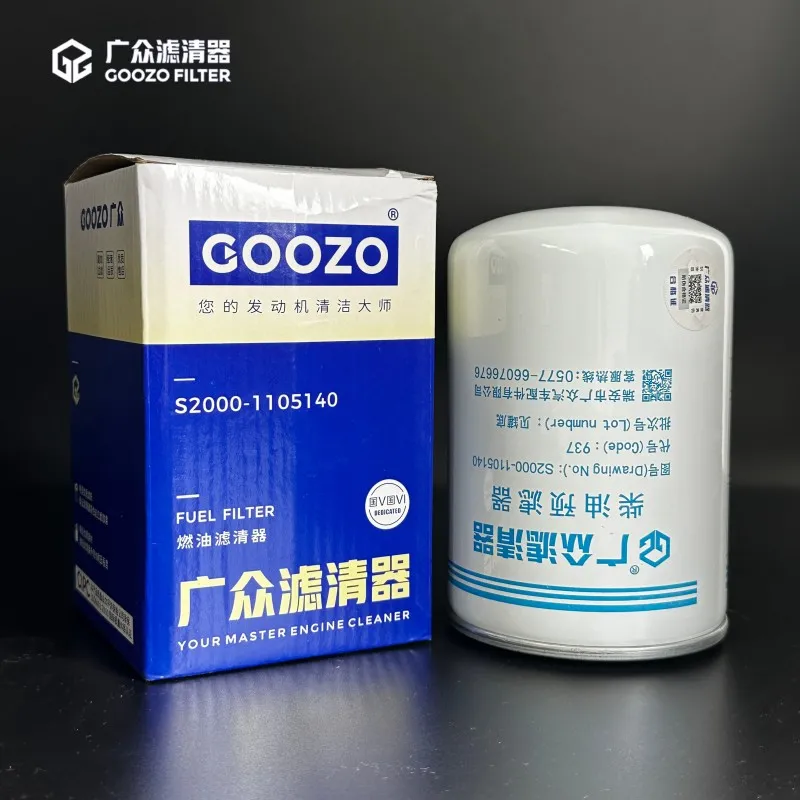
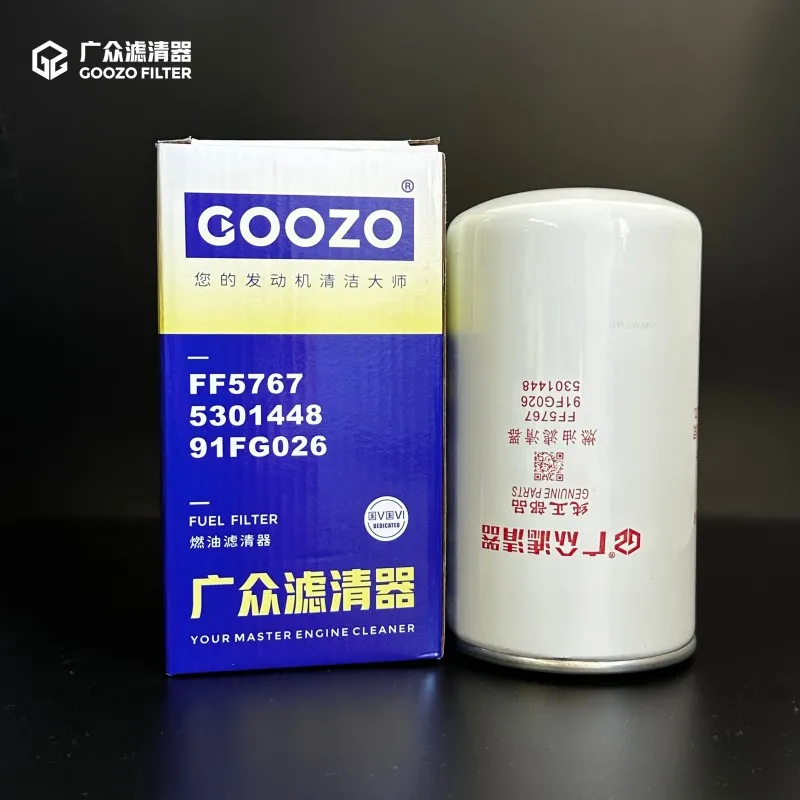
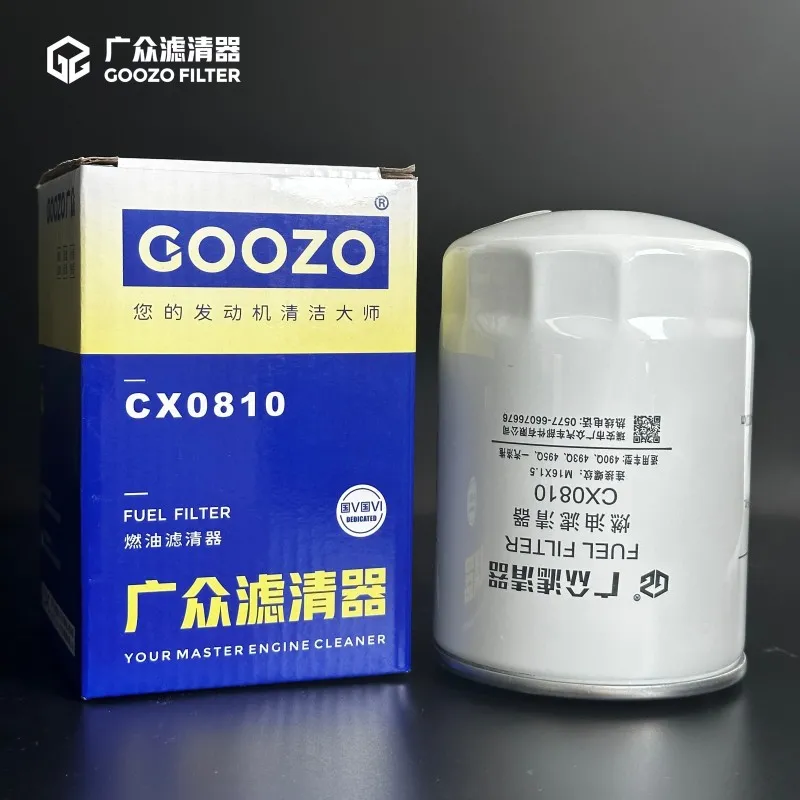
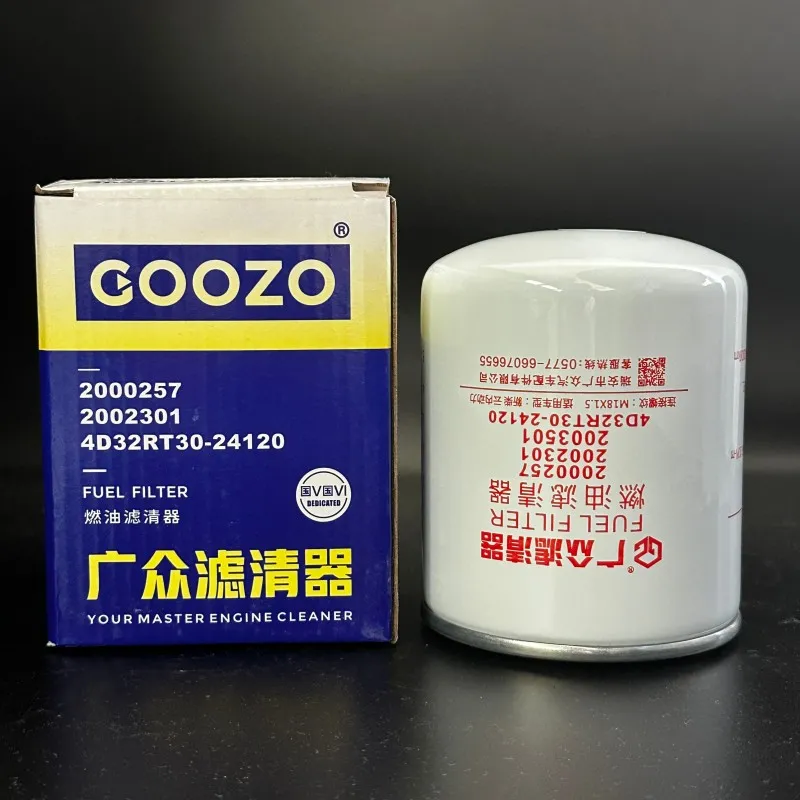
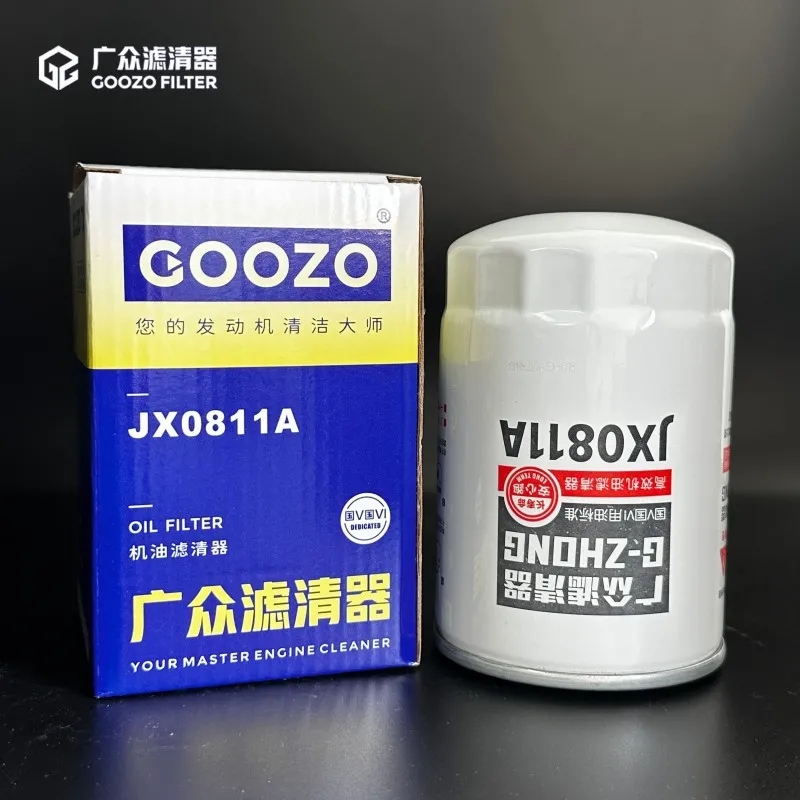
Preventing fuel filter blockages in excavators requires regular maintenance, quality fuel sources, and timely inspections. Keeping these factors in check not only enhances machine performance but also increases productivity and extends equipment life. Brands like Goozo offer inspection tools and fuel system maintenance products that can aid in these processes.
Common signs include difficulty starting the engine, reduced power during operation, and frequent stalling.
Generally, it should be replaced every 500 hours of operation, though it may vary based on brand guidelines.
Yes, low-quality fuel can introduce contaminants that clog filters and damage fuel injectors over time, leading to expensive repairs.
Get exclusive filter solutions
Submit your vehicle model parameters → Free matching of 3000+ stock models
View More
Related Products