+86 177 9462 1813

+86 177 9462 1813
Products Search

News
Apr. 29, 2026
Excavators are vital for construction and earthmoving projects, yet many operators face fuel filter problems that can lead to decreased efficiency and increased repair costs. Issues such as clogging due to debris, contamination from poor-quality fuel, and inadequate maintenance practices can significantly hinder machine performance. Implementing effective solutions not only enhances operational efficiency but can also extend the lifespan of equipment like those from Goozo. This article will provide actionable tips to address fuel filter issues, ensuring that your excavator runs smoothly and reliably.
Fuel filters are crucial components that prevent dirt and contaminants from reaching the engine. When these filters malfunction or become clogged, it can lead to reduced power output, increased fuel consumption, and even engine failure. Common issues related to excavator fuel filters include:
Why: Regular inspections can help identify issues before they become critical.
Operation: Schedule monthly inspections of the fuel filter for signs of wear and tear, including checking for clogs or leaks. Replace filters every 250 operational hours or as per the manufacturer’s recommendations.
This approach is suitable for operators working in dusty or muddy environments, where debris accumulation is more likely.
Why: Contaminated fuel is a primary cause of filter failure and engine damage.
Operation: Always purchase fuel from reputable sources that comply with industry standards. Request fuel with a low water content and avoid fuel that has been stored for long periods without agitation.
Use this technique especially for excavators operating in remote locations where fuel quality may vary significantly.
Why: Fuel storage conditions can greatly affect fuel quality.
Operation: Store fuel in clean, sealed containers and ensure that tanks are well-maintained to prevent moisture ingress. Conduct routine checks for water separation in fuel tanks.
This method is ideal for construction sites with on-site fueling stations or where fuel is stored for extended periods.
Why: Non-genuine parts can lead to compatibility issues and premature failures.
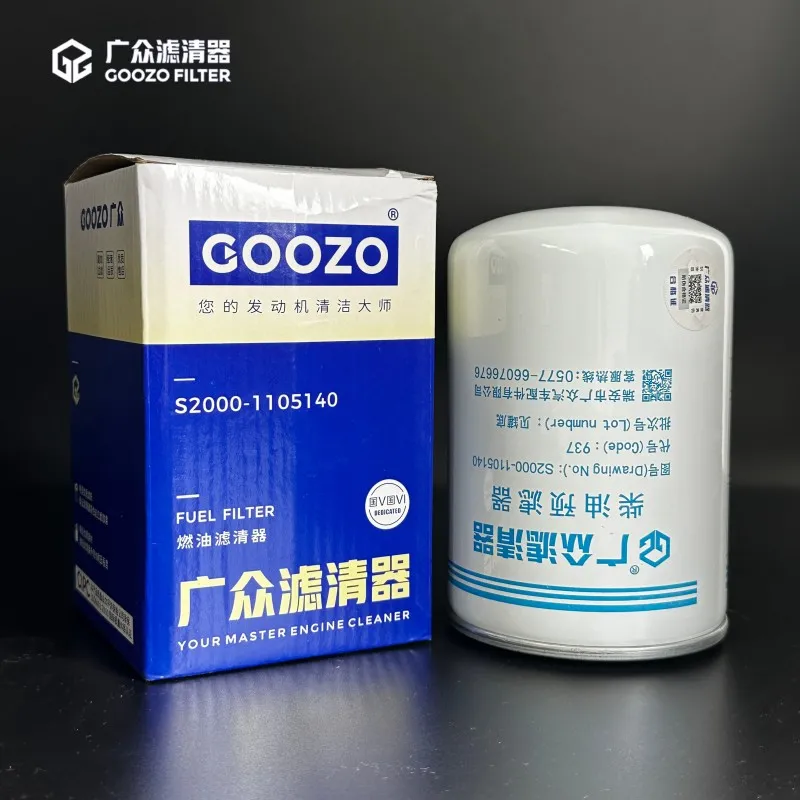
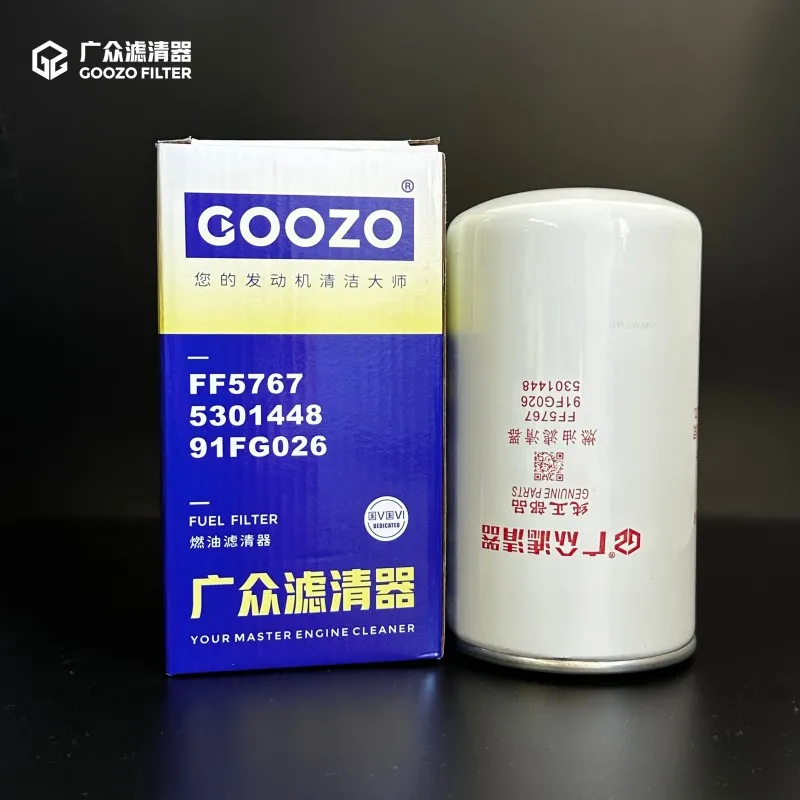
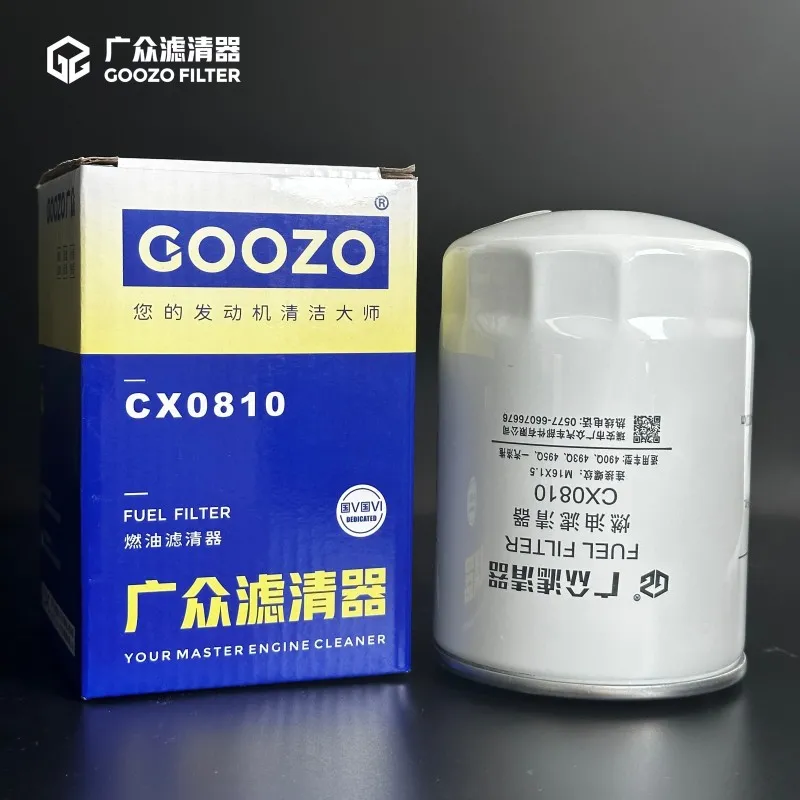
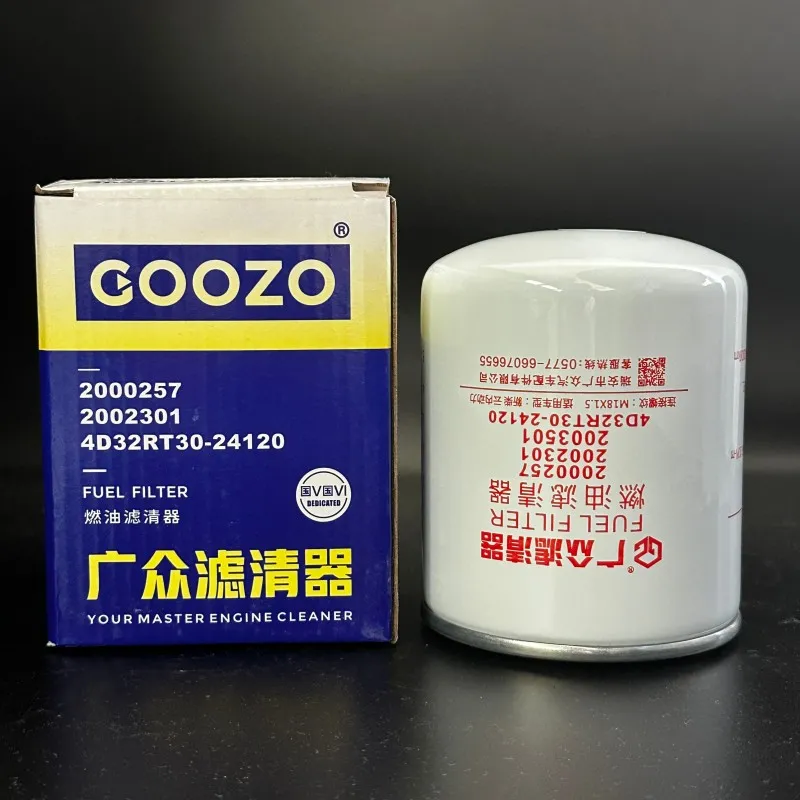
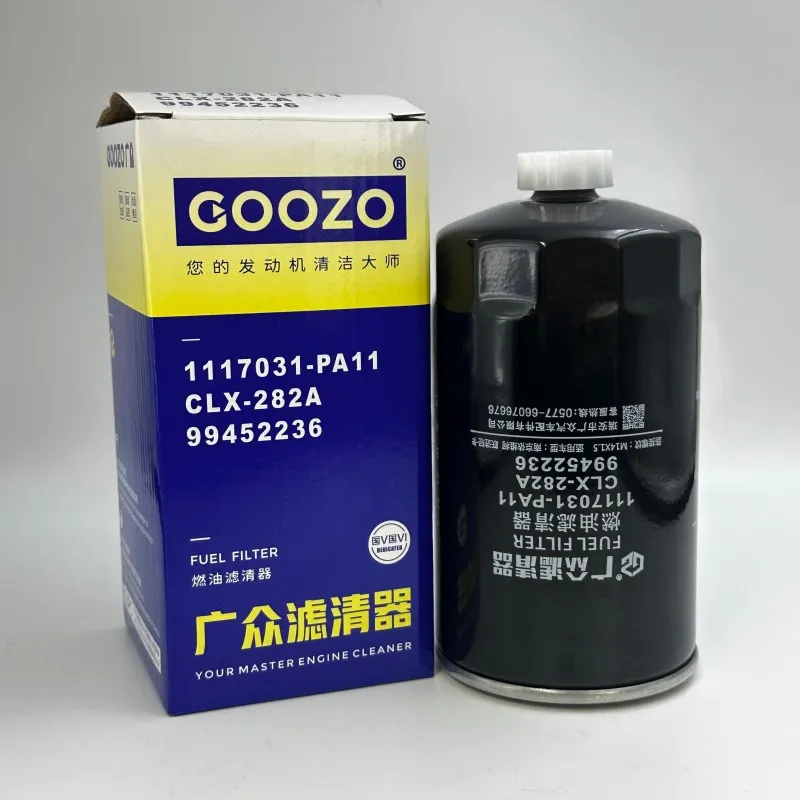
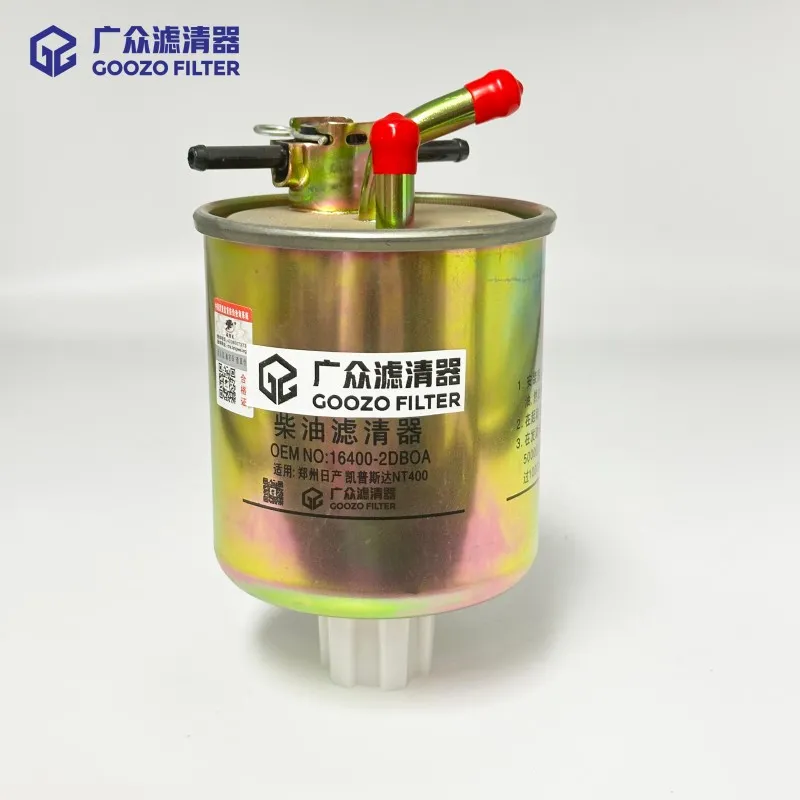
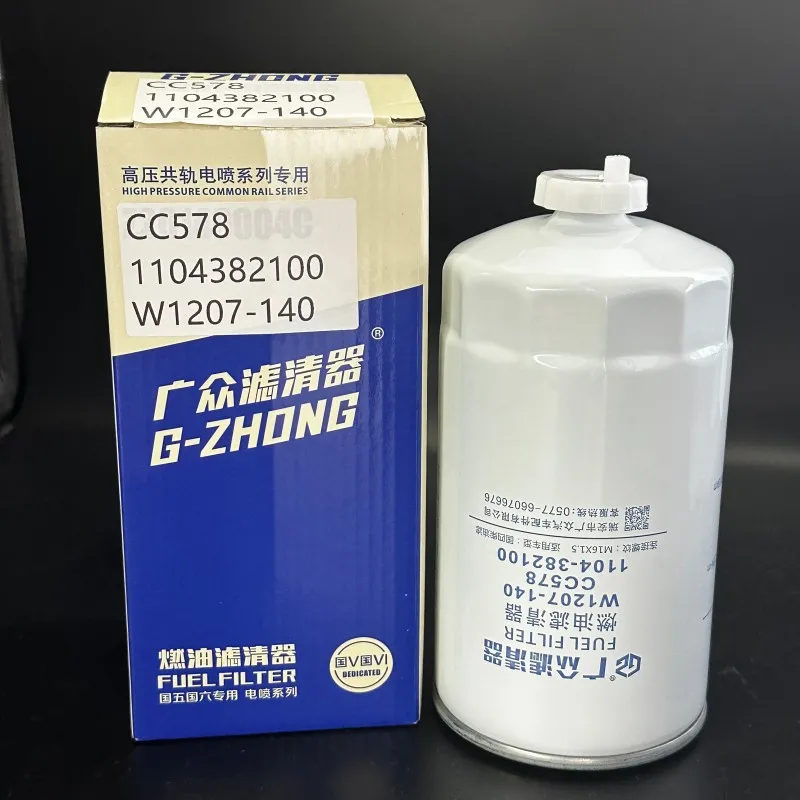
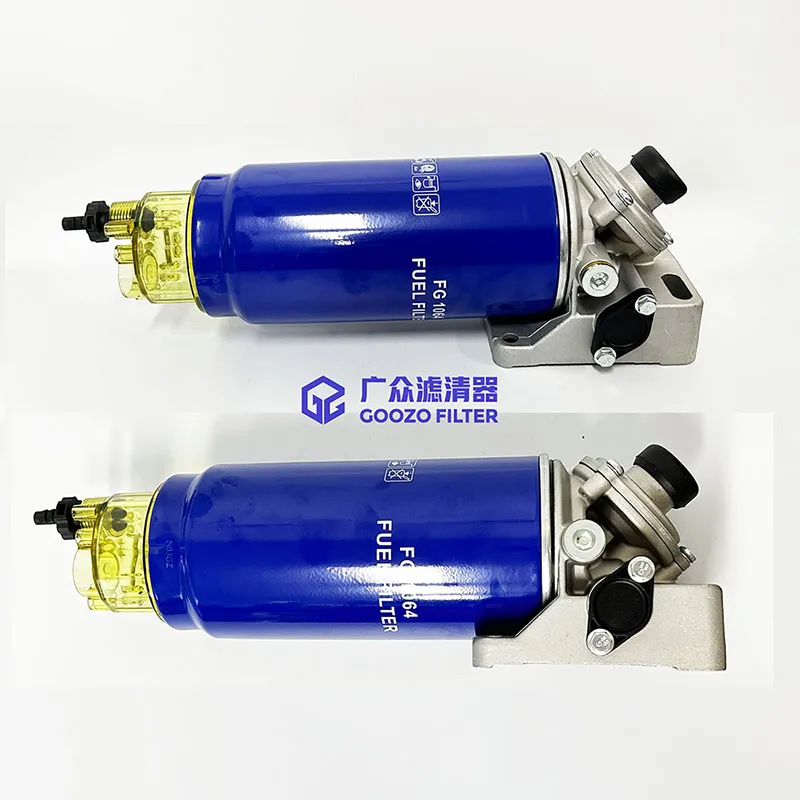
Operation: Use Original Equipment Manufacturer (OEM) fuel filters, such as those from Goozo, as they are designed to meet the specific requirements of your excavator.
This is crucial for operators concerned about warranty issues or those wanting to maximize engine performance.
Why: Informed operators can better maintain the excavator and identify issues earlier.
Operation: Conduct training sessions focusing on fuel system maintenance, including how to check fuel filters and recognize signs of contamination.
This is beneficial for companies with multiple operators or those managing larger fleets.
By proactively addressing excavator fuel filter issues through regular inspections, using high-quality fuel, practicing proper storage, opting for OEM parts, and educating staff, operators can enhance the operational efficiency and reliability of their machinery. Proper maintenance not only prevents costly downtime but extends the lifespan of equipment, making it a sound investment.
Signs include decreased engine performance, difficulty starting, and visible dirt or debris on the filter.
It is recommended to replace the fuel filter every 250 operational hours or as advised by the manufacturer.
While some filtration methods exist, it is generally not recommended to reuse contaminated fuel as it can lead to further engine issues.
Yes, OEM filters are designed for specific machinery and ensure optimal performance and compatibility, thus justifying the investment.
Get exclusive filter solutions
Submit your vehicle model parameters → Free matching of 3000+ stock models
View More
Related Products