+86 177 9462 1813

+86 177 9462 1813
Products Search

News
Apr. 30, 2026
When excavators operate under heavy loads, their performances can be compromised by inefficient hydraulic systems. The excavator hydraulic filter plays a critical role in maintaining the efficiency and longevity of these hydraulic systems. A clogged or improperly maintained filter can lead to equipment failure and costly downtime, affecting project timelines and budgets. This article provides detailed insights into the importance of hydraulic filters in excavators and offers actionable maintenance tips to enhance operational efficiency.
The excavator hydraulic filter is essential for protecting hydraulic components from dirt and contaminants. Statistics from the American National Standards Institute (ANSI) indicate that over 70% of hydraulic system failures are caused by contamination. Regular maintenance of these filters not only extends the life of the hydraulic system but also ensures optimal performance of the excavator.
Hydraulic filters remove particles, debris, and contaminants from hydraulic fluids before they reach critical components such as pumps and valves. By trapping these harmful particles, hydraulic filters prevent wear and tear, which can lead to costly repairs and replacements. For instance, a high-quality filter can trap particles as small as 1 micron, significantly reducing the risk of system failure.
Quick answer: Regular inspections prevent clogging and contamination issues.
Operation: Check the hydraulic filter every 100 operating hours. Visually inspect for leaks and damage. Ensure you have a replacement filter on hand when you need it.
Guidance: Ideal for all excavator operators, especially on job sites with high dust and debris levels.
Quick answer: Adhering to the manufacturer's schedule prevents premature filter failure.
Operation: Follow the replacement interval specified in your excavator's manual, usually every 500-1000 hours of operation. Refer to the manual for specific replacement procedures.
Guidance: This applies to excavators undergoing rigorous daily use, ensuring optimal function.
Quick answer: Higher-quality filters enhance filtration efficiency and durability.
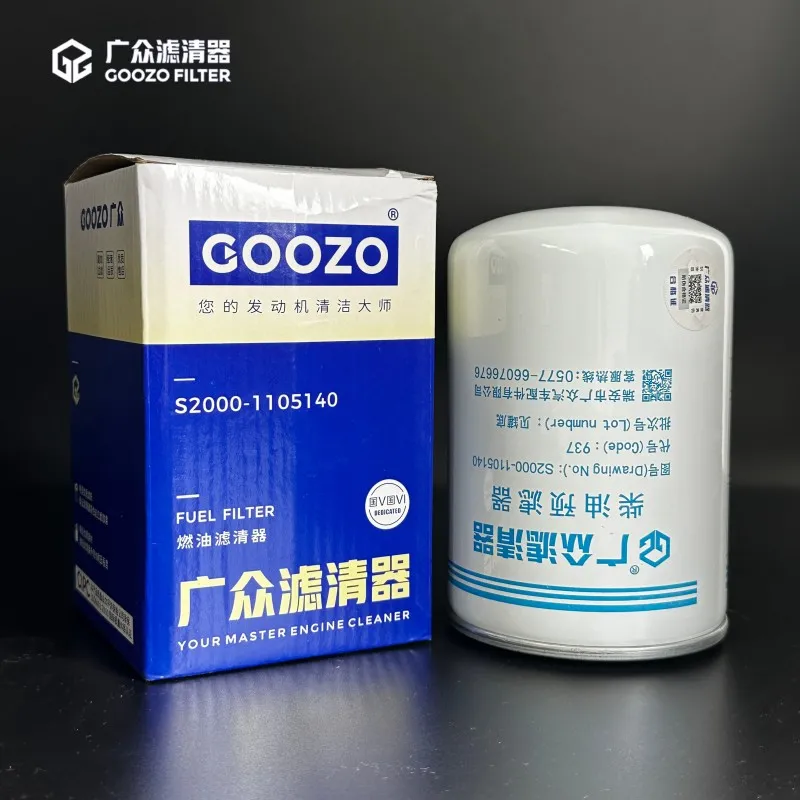
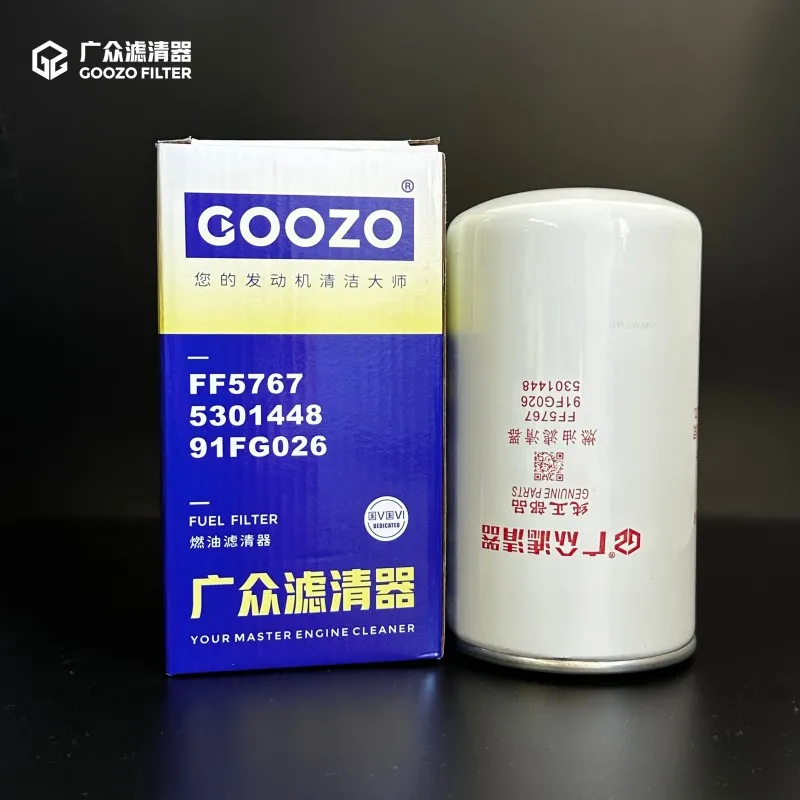
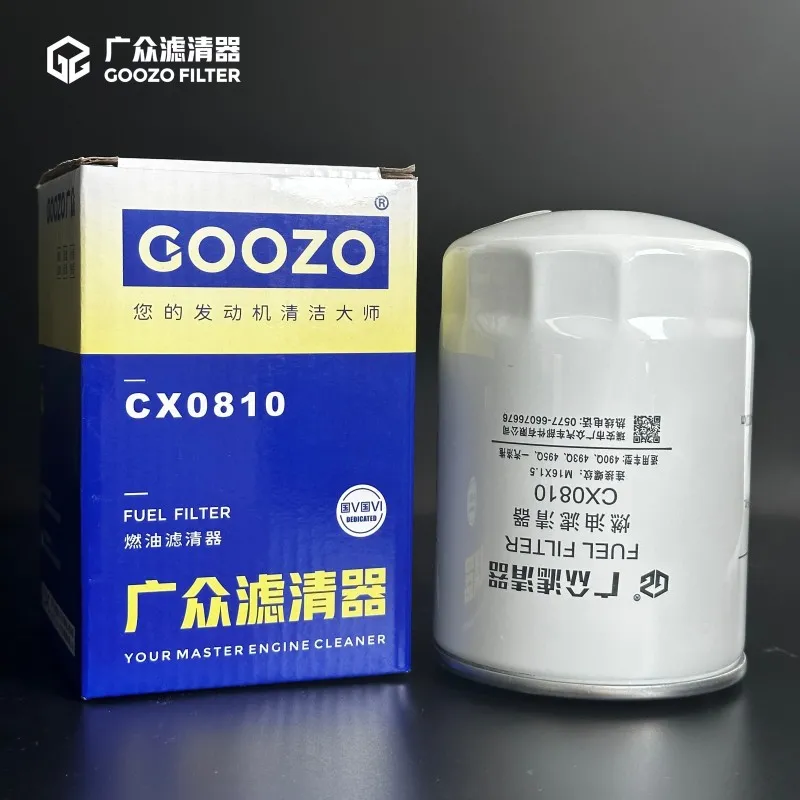
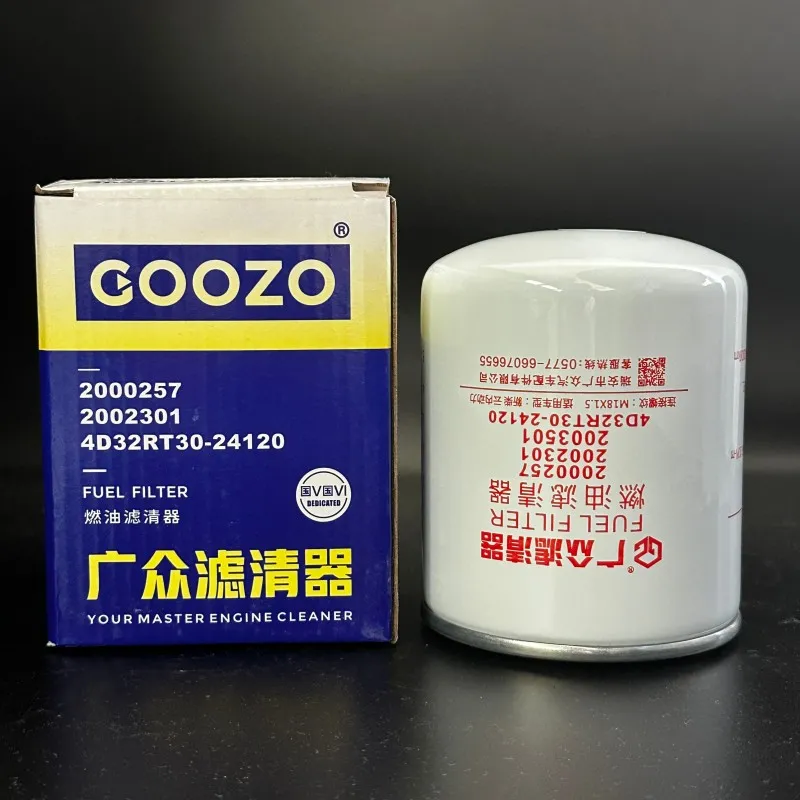
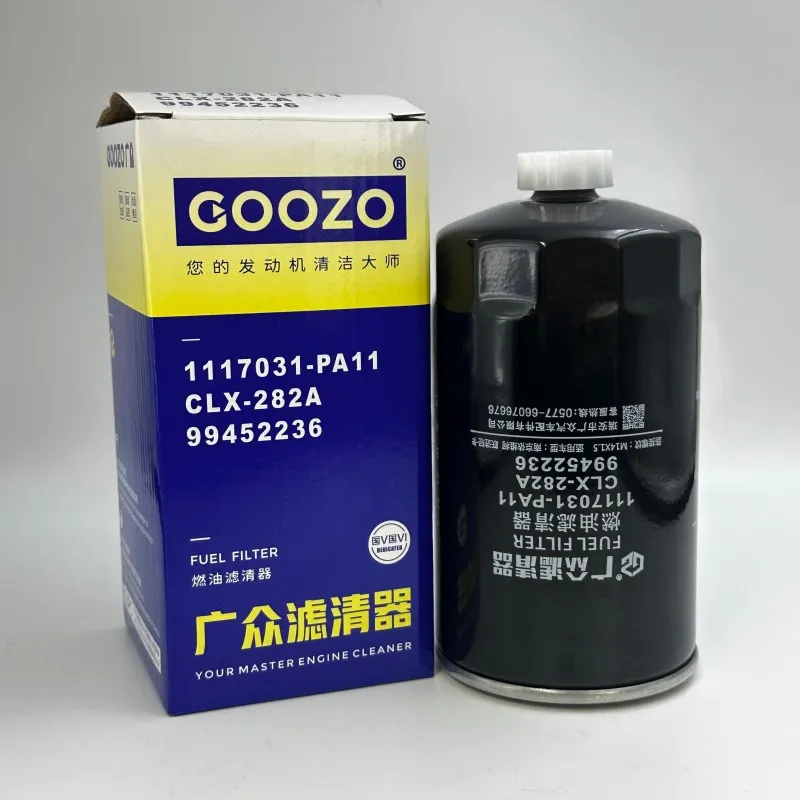
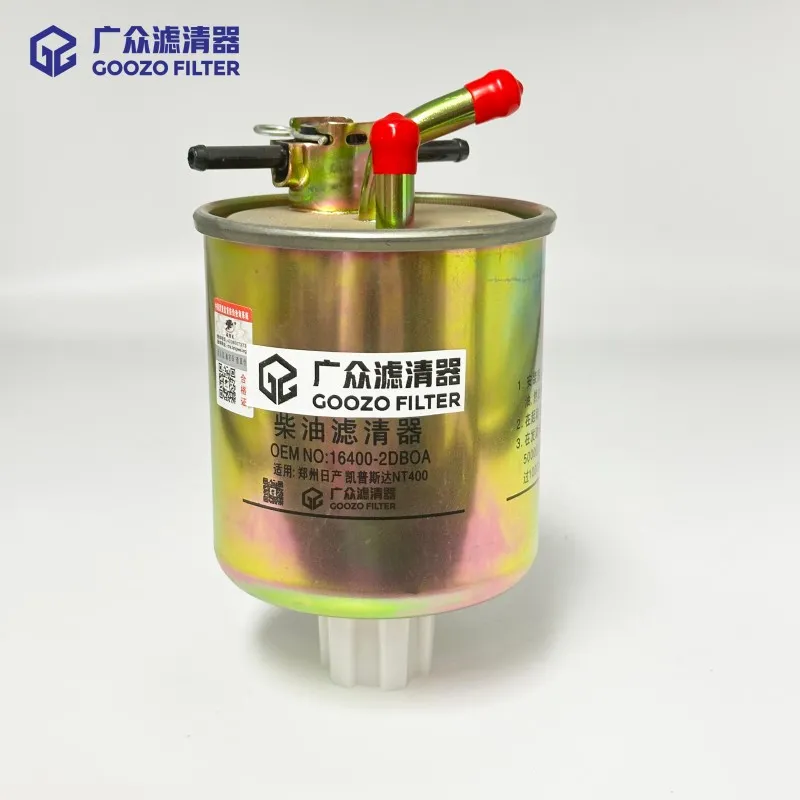
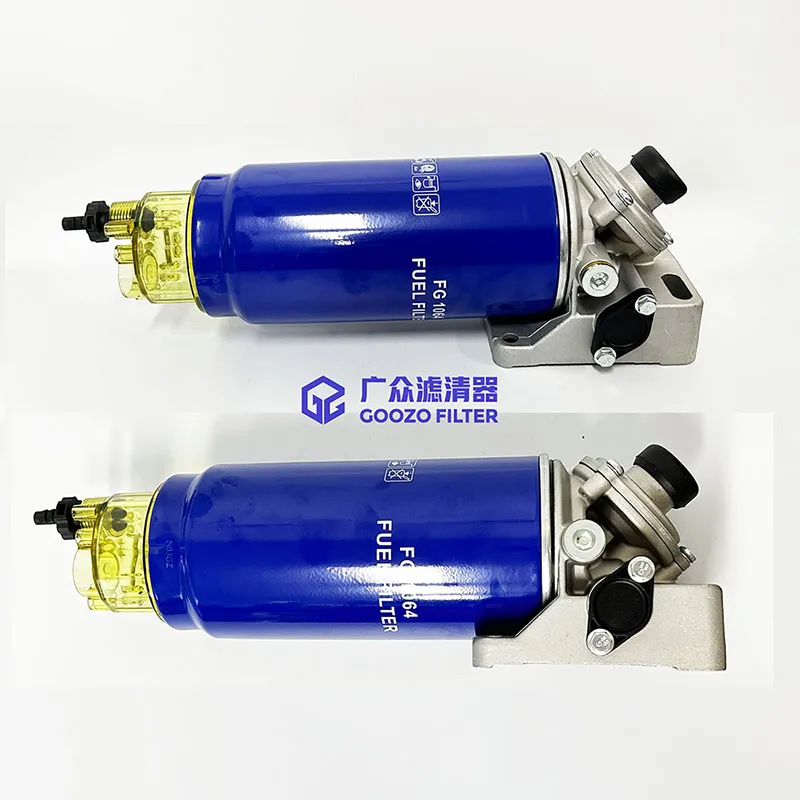
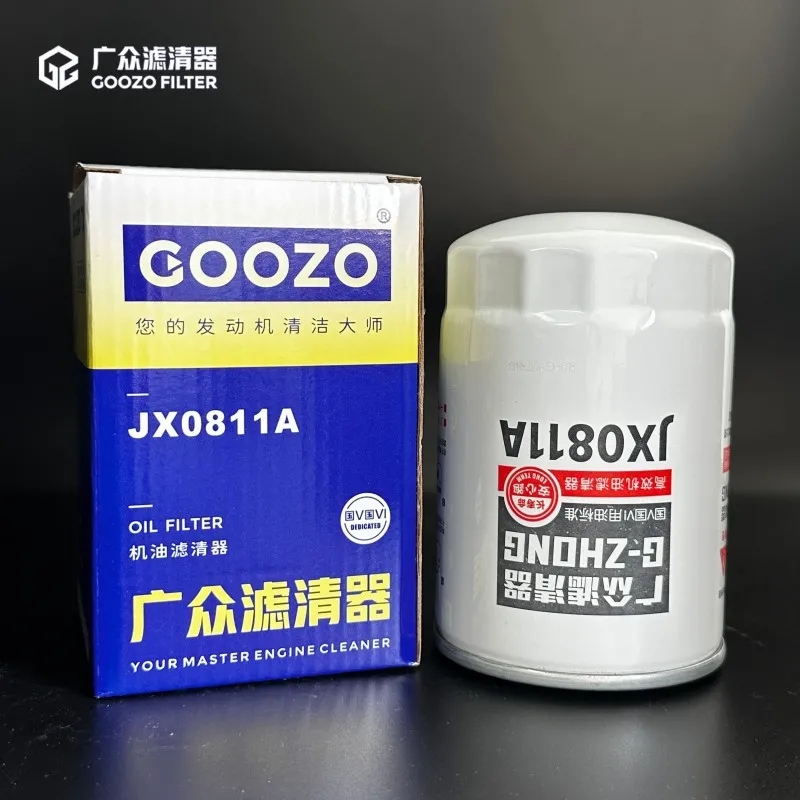
Operation: Invest in high-performance hydraulic filters such as those from Goozo, ensuring they meet OEM standards.
Guidance: Recommended for enterprises that prioritize longevity and performance.
Quick answer: Proactive measures can drastically reduce contaminants affecting the hydraulic system.
Operation: Establish protocols for maintaining clean storage areas and fluid transfer methods. Regularly test hydraulic fluid for contaminants.
Guidance: Ideal for fleet managers maintaining multiple excavators.
Quick answer: Maintaining proper fluid levels ensures optimal filter functionality.
Operation: Regularly check the hydraulic reservoir and top off as needed, ensuring levels are within recommended guidelines.
Guidance: This maintenance task is crucial for all excavation operations, particularly in high-demand situations.
Excavator hydraulic filters are crucial for ensuring the efficiency and longevity of hydraulic systems, with studies showing that 70% of hydraulic failures are due to contamination. Regular inspections, timely replacements, the use of quality filters like Goozo, contamination control, and monitoring fluid levels are key practices to enhance system performance.
Hydraulic filters protect the hydraulic system from dirt and contaminants, preventing system failure and extending component life.
Replacement intervals vary, but it's commonly recommended every 500-1000 hours of operation, based on the manufacturer's guidelines.
Yes, low-quality filters may not effectively trap contaminants, leading to increased wear and potential failures within the hydraulic system.
Get exclusive filter solutions
Submit your vehicle model parameters → Free matching of 3000+ stock models
View More
Related Products