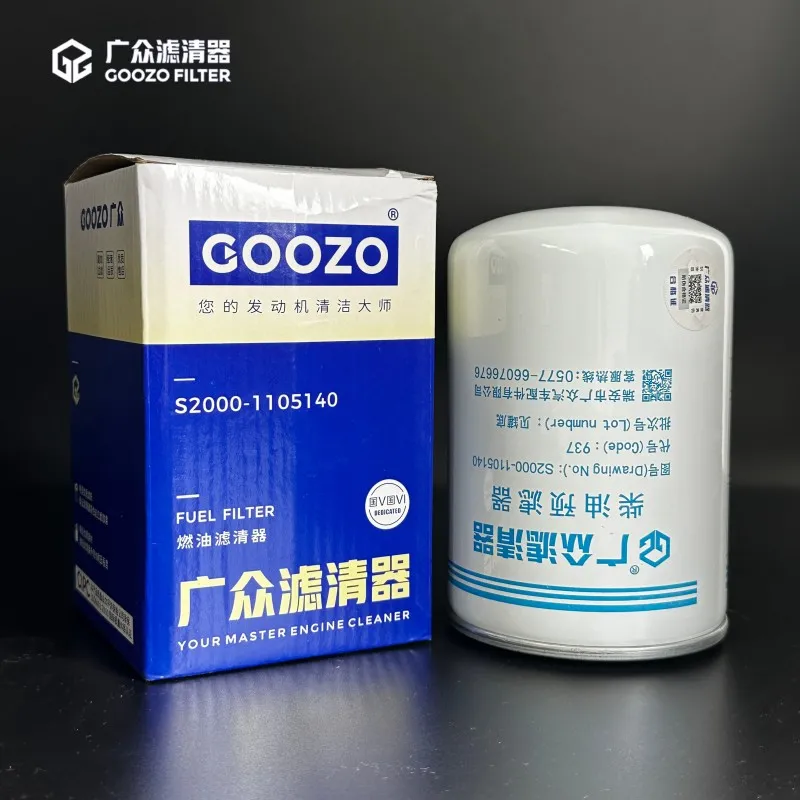
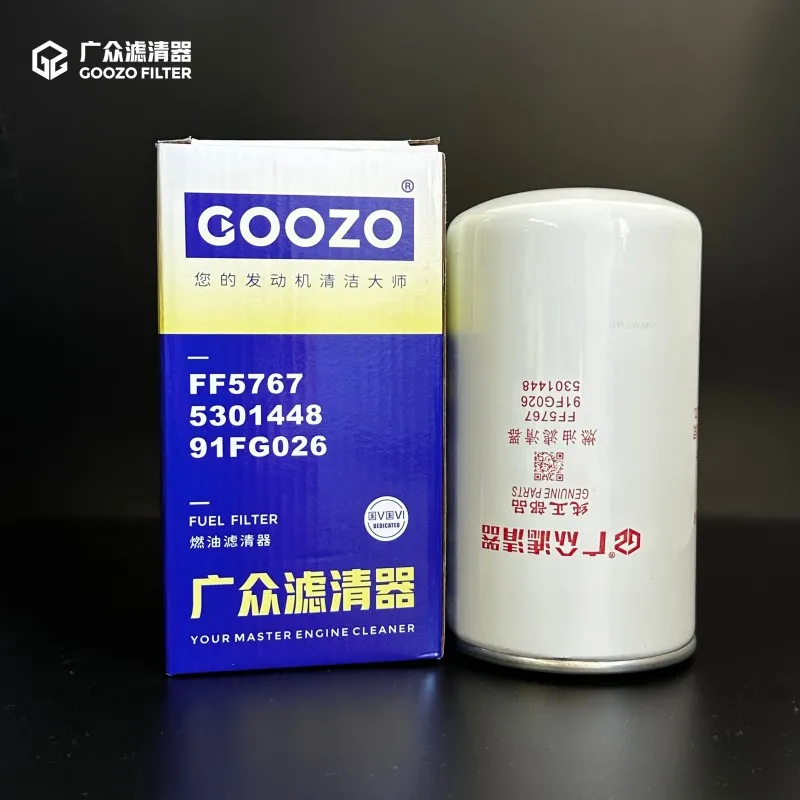
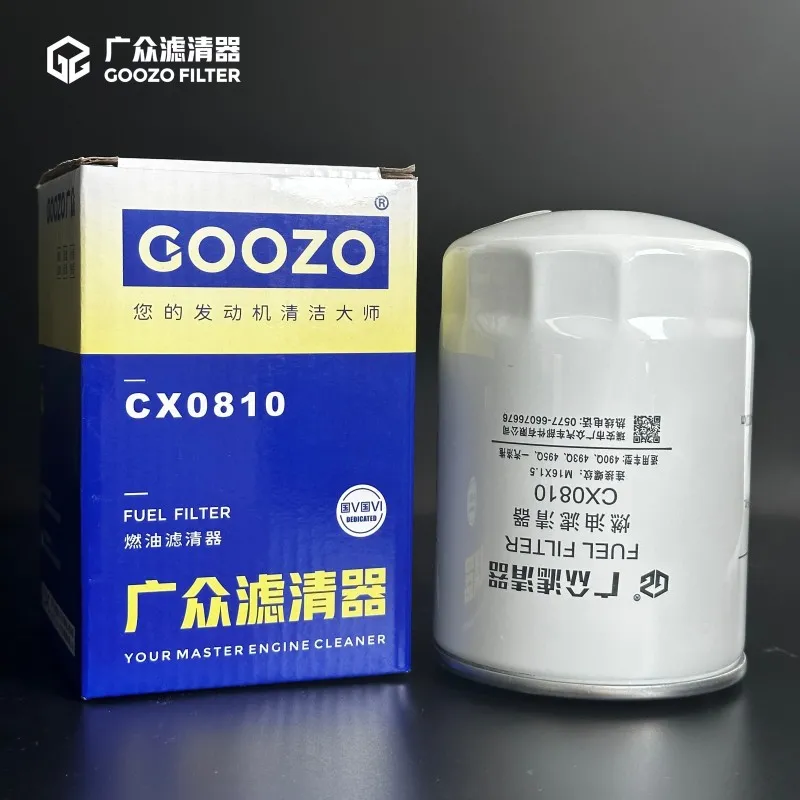
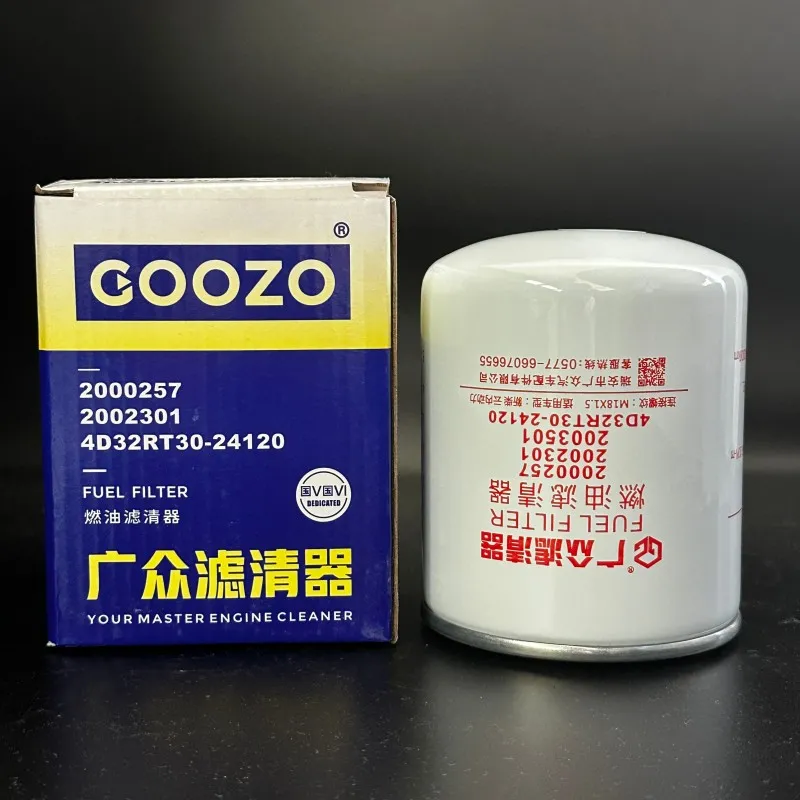
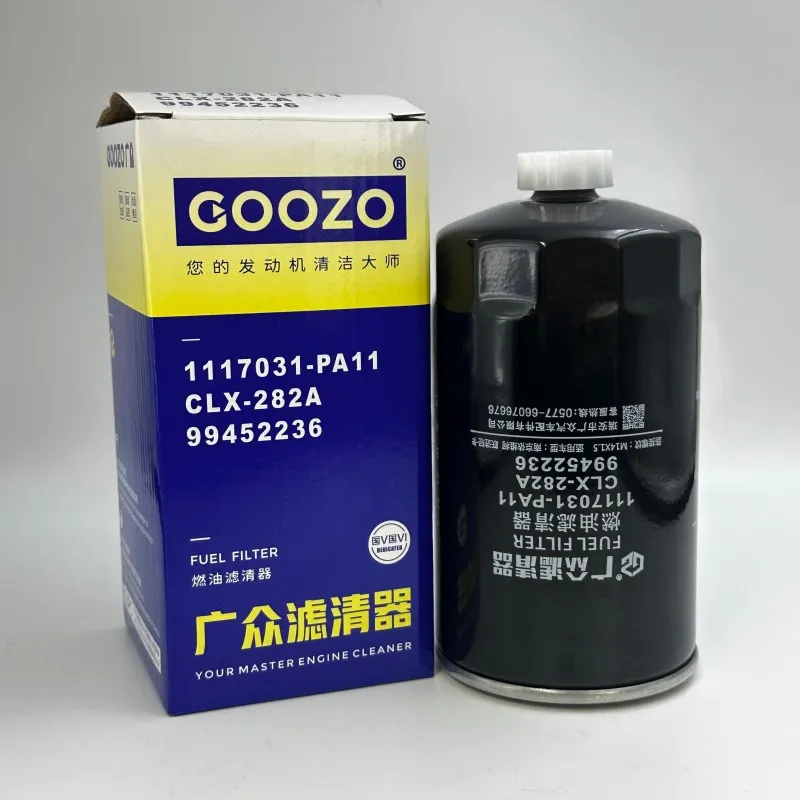
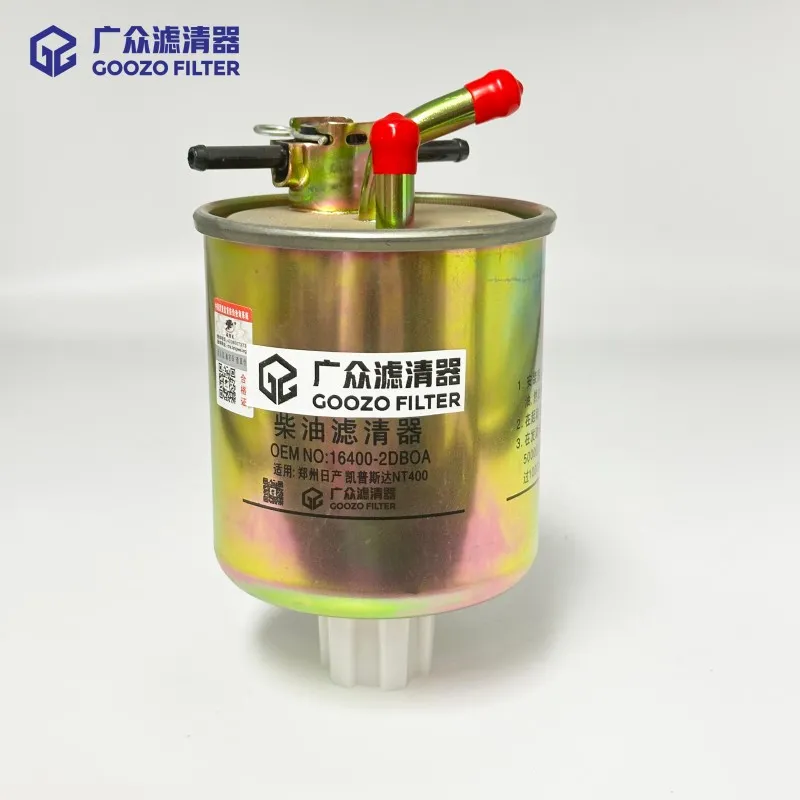
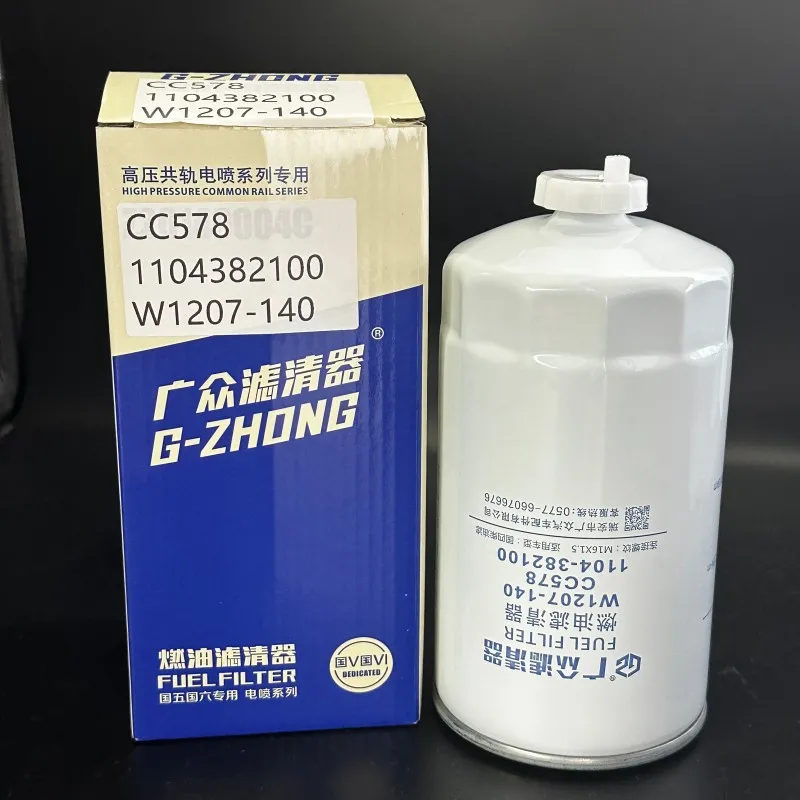
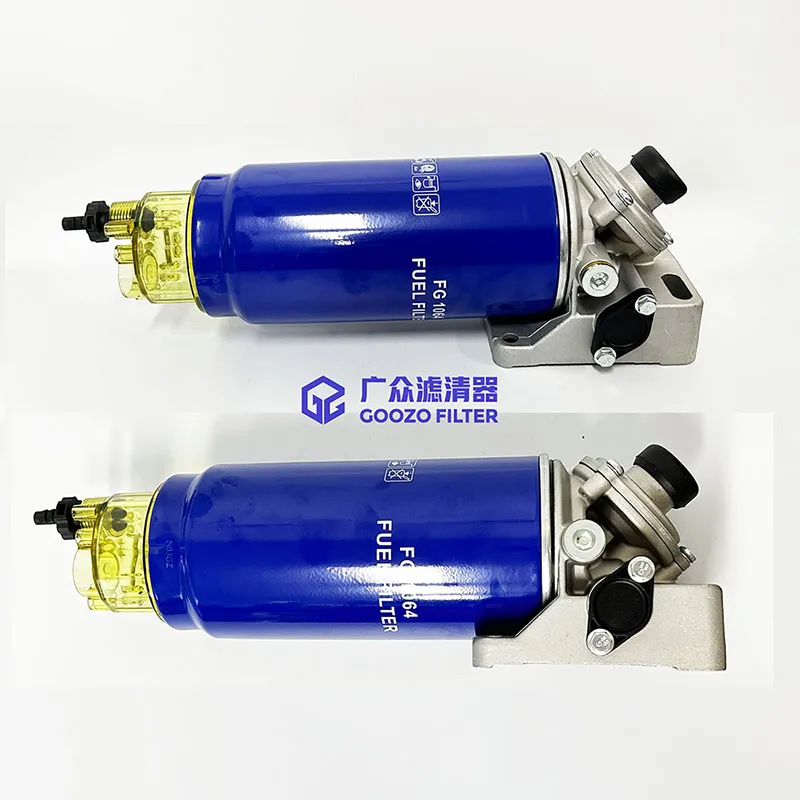
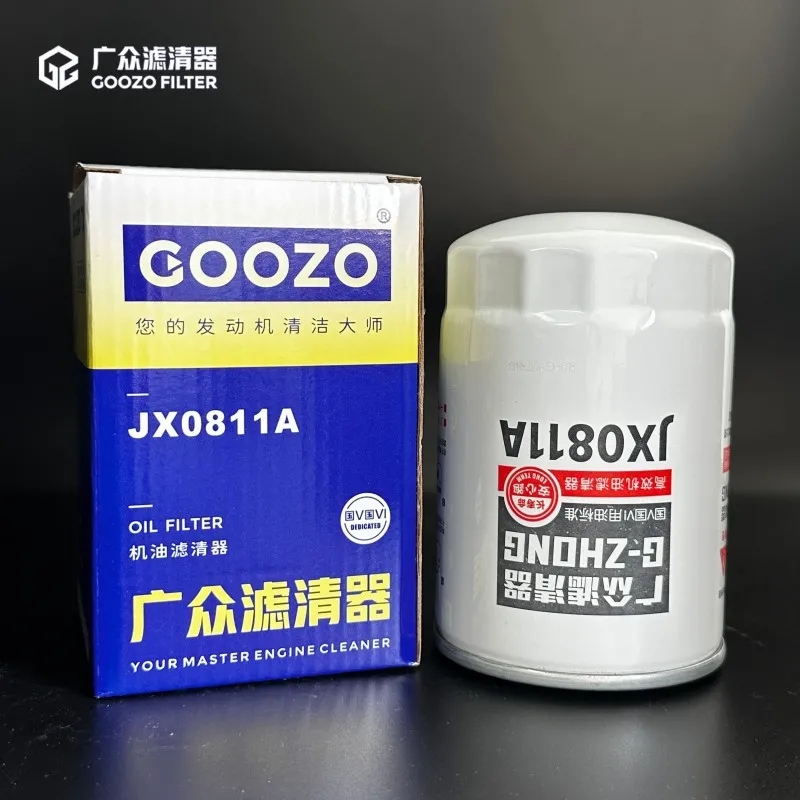
The excavator oil filter plays a crucial role in maintaining the engine's performance, especially in harsh working environments. Selecting the right oil filter not only ensures optimal filtration but also extends the lifespan of your excavator and enhances operational efficiency. This guide will delve into the essential factors to consider when purchasing an oil filter for your excavator, focusing on the specific challenges presented by tough conditions. From filter material to maintenance practices, we've got you covered.
Understanding the Importance of an Oil Filter
- Role of the Oil Filter: The oil filter removes contaminants from the oil circulating in your excavator's engine, preventing damage and maintaining efficiency.
- Impact on Engine Performance: A clean oil filter ensures optimal lubrication, reducing wear and tear on engine components.
- Frequency of Replacement: In harsh environments, oil filters may need to be replaced more frequently due to higher levels of dirt and debris.
Factors to Consider When Buying an Excavator Oil Filter
- Filter Material:
- Synthetic vs. Cellulose: Synthetic filters offer better performance in extreme conditions due to their superior filtration capabilities.
- Durability Requirements: Choose filters designed to withstand the specific contaminants typical in your working environment.
- Filtration Efficiency:
- Importance of Micron Rating: Look for filters with a lower micron rating for better contaminant removal.
- Guidance from Manufacturers: Consult manufacturer specifications to find the recommended filtration efficiency for your excavator model.
- Size and Compatibility:
- Check Specifications: Ensure the filter size matches your excavator’s requirements to avoid operational issues.
- Brand Compatibility: Some excavators may perform better with specific brands; check reviews or OEM recommendations.
Top Brands in Excavator Oil Filters
- Caterpillar: Known for durable filters that are designed for heavy-duty performance.
- Case Construction: Offers a range of oil filters that excel in demanding conditions.
- Komatsu: Filters designed specifically for their machines to ensure maximum efficiency.
Recommended Practices for Maintenance and Replacement
- Regular Inspection: Check filters regularly for signs of wear or damage, especially in harsh conditions.
- Scheduled Maintenance: Follow a strict maintenance schedule based on operational hours and local environmental conditions.
How to Change Your Excavator Oil Filter
- Gather Necessary Tools: Before starting, ensure you have the right tools including wrenches, a new oil filter, and oil.
- Prepare the Excavator: Turn off the engine and allow it to cool. Elevate your excavator safely if needed.
- Remove the Old Oil Filter: Use an oil filter wrench to unscrew the old filter, being careful of any remaining oil.
- Install the New Filter: Apply a thin layer of new oil on the gasket of the new filter and screw it in place by hand.
- Fill with New Oil: Add the recommended type of oil to your excavator.
- Test for Leaks: Start the engine and verify that there are no leaks around the new filter.
Conclusion and Final Recommendations
Choosing the right excavator oil filter for harsh working environments is essential for the longevity and performance of your machinery. By considering factors like filter material, filtration efficiency, and brand compatibility, you can make an informed purchase. Regular maintenance, including timely replacement, will safeguard your excavator against the challenges posed by tough conditions.
Additional Considerations for Extreme Conditions
- Temperature Resistance: Make sure the filter can handle the temperature extremes your excavator might face.
- Seal Integrity: Check for good sealing features that can prevent bypassing contaminants.