+86 177 9462 1813

+86 177 9462 1813
Products Search

News
Oct. 22, 2026
For construction contractors managing a variety of excavation equipment, selecting the right oil filter for an excavator is crucial. A poorly chosen oil filter can lead to inefficiencies, increased maintenance costs, and decreased performance in machinery. This comprehensive guide assists contractors in navigating through the complexities of excavator oil filter options, ensuring they make informed decisions that enhance their operations. The primary goal is to alleviate common pain points, such as frequent oil changes, diminished engine performance, and higher operational costs.
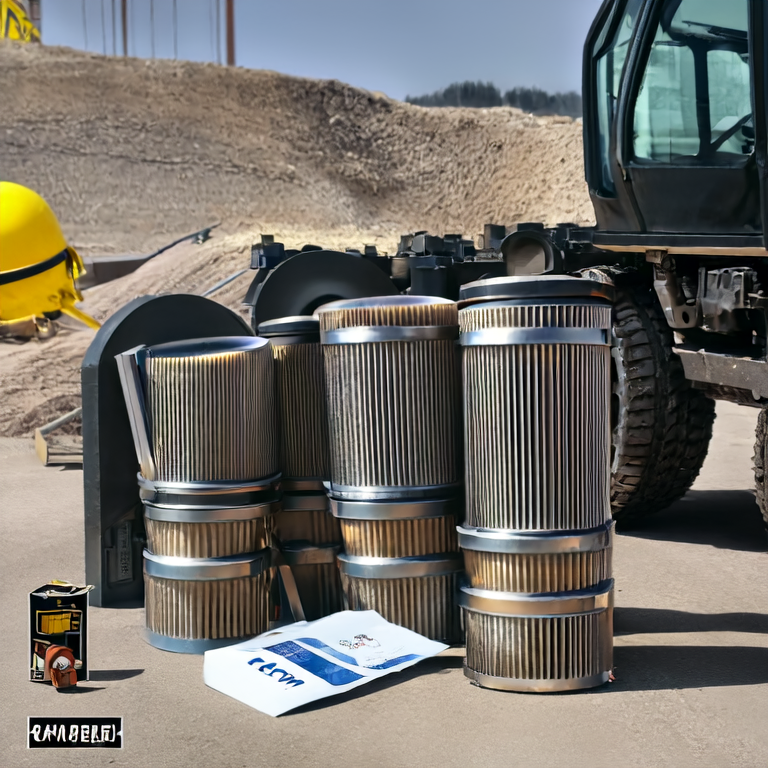
Excavator oil filters are essential components in heavy machinery, particularly designed to cleanse engine oil, remove contaminants, and ensure optimal performance. Understanding critical terms is essential for contractors when selecting the appropriate oil filter. Here are the key terminologies:
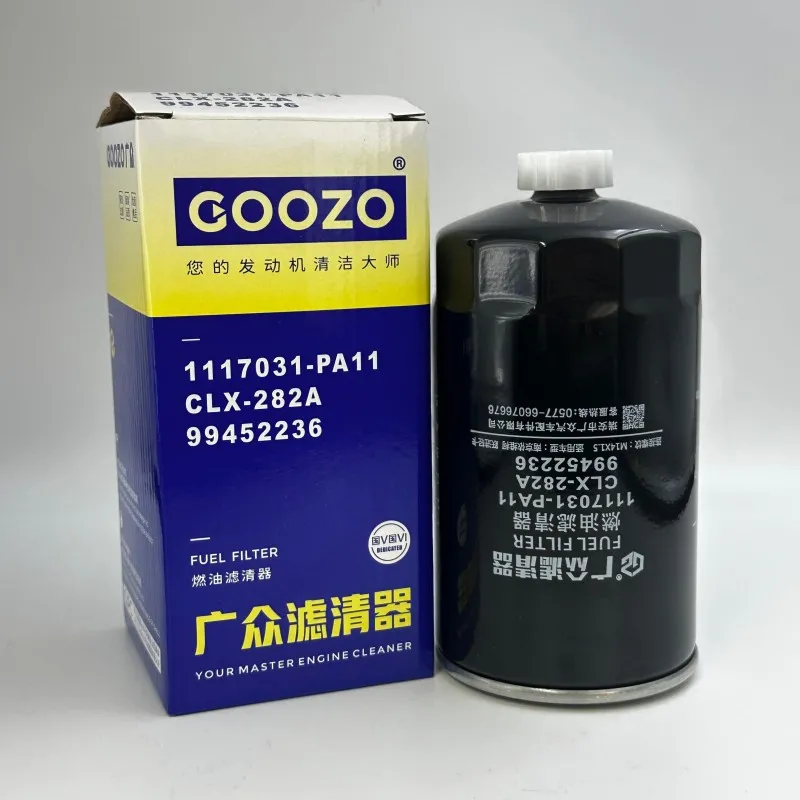
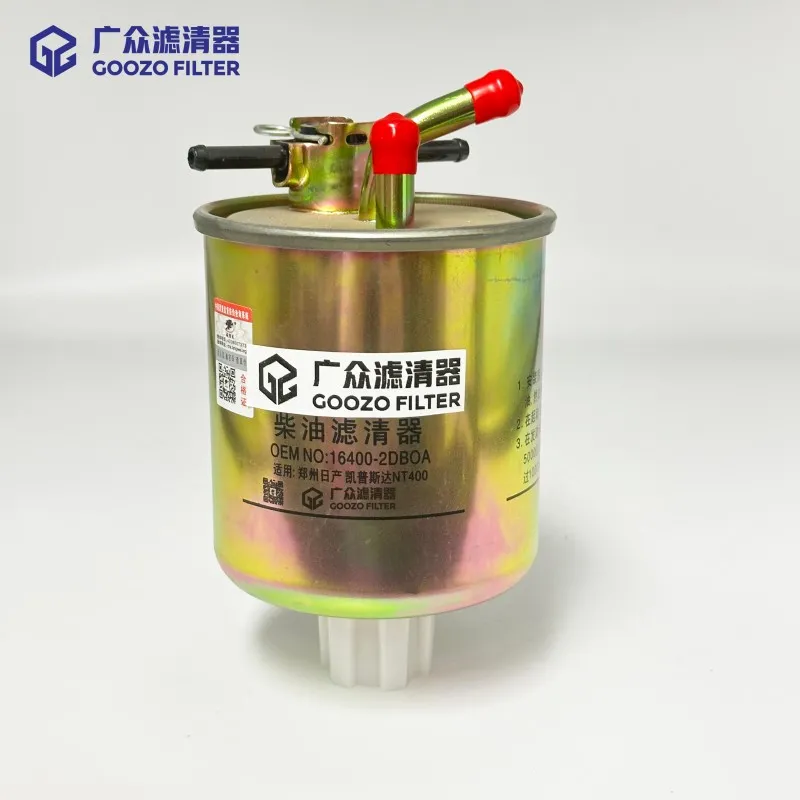
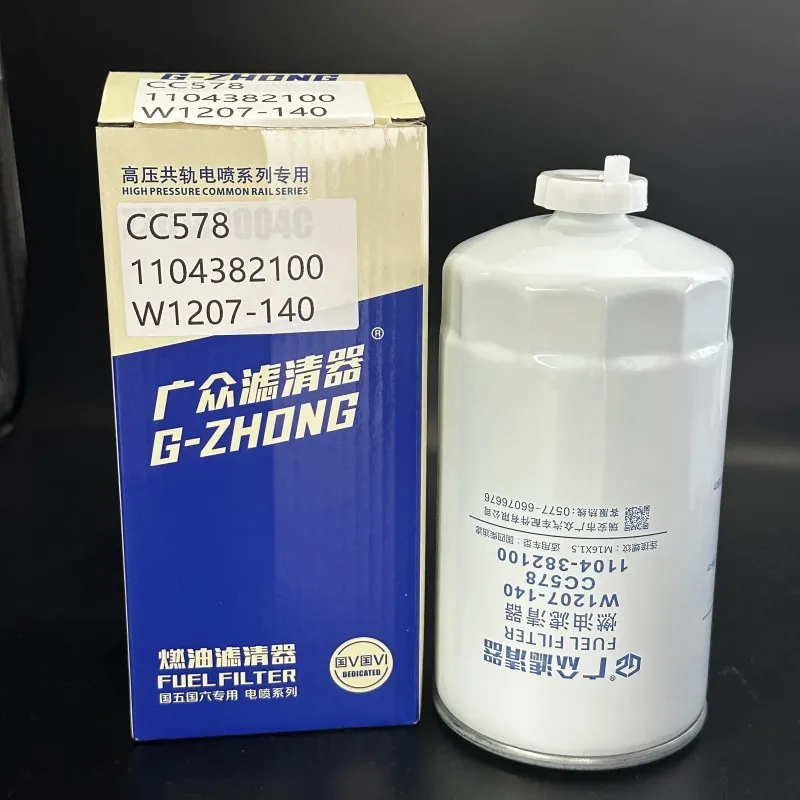
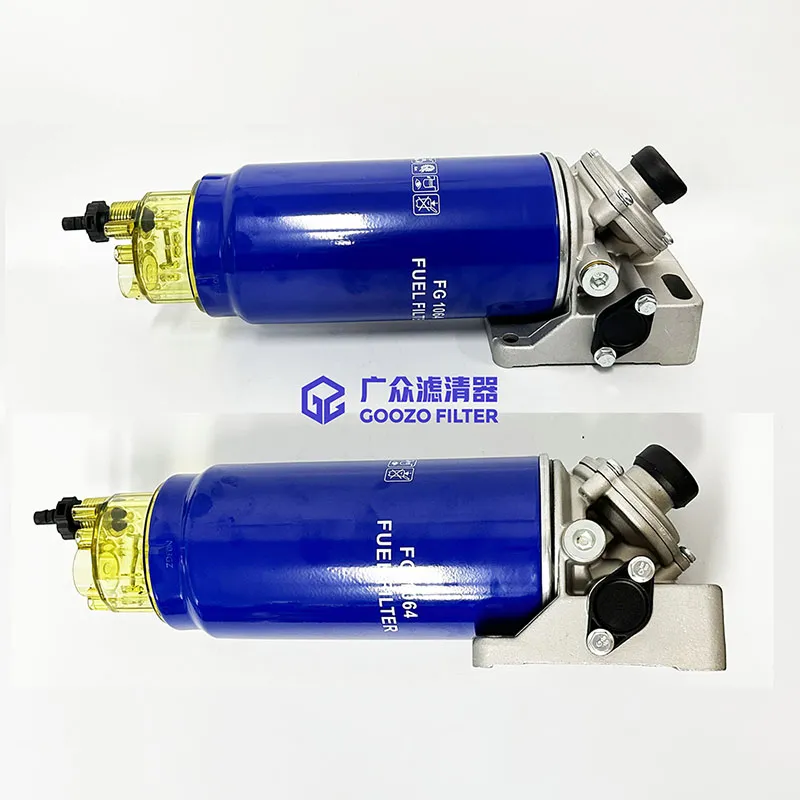
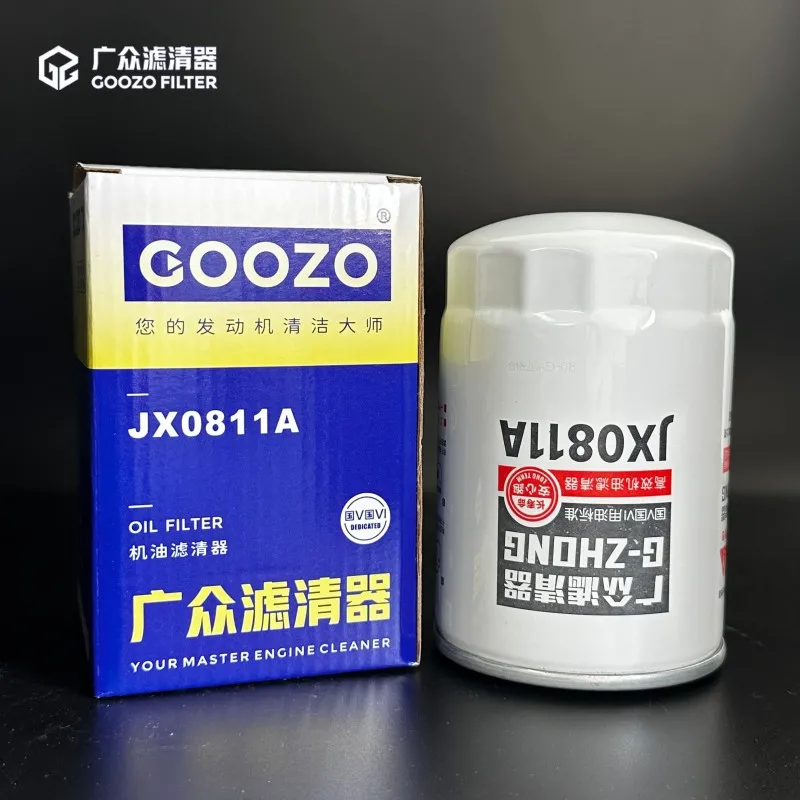
The primary role of an excavator oil filter is to protect the engine by removing particles that could cause wear or damage. As dirt and debris accumulate in engine oil, filters that operate over a longer lifespan enable construction contractors to reduce maintenance frequency. Premium filters, like those from Goozo, not only offer superior filtration efficiency but also maintain flow rates effectively, ensuring uninterrupted machinery operations.
Choosing the right excavator oil filter involves several important steps:
It is generally recommended to replace oil filters every 250-500 hours of operation, aligning with regular oil change schedules.
Using an incompatible oil filter can lead to decreased filtration efficiency, increased wear on engine components, and potential engine failure. It’s critical to adhere to the manufacturer's specifications.
Signs include reduced engine performance, visible oil leaks, and a noticeable increase in engine noise due to inefficient lubrication.
Expanding your knowledge on oil filter technologies, such as synthetic media filters, can provide additional benefits. Synthetic filters have been proven to offer superior filtration and longer lifespans compared to traditional paper filters, with efficiencies of up to 99.9% for particulates as small as 5 microns.
In conclusion, careful selection of excavator oil filters is pivotal for the efficiency and longevity of heavy machinery. Prioritizing quality brands like Goozo ensures robust performance and reliability. For contractors seeking dependable oil filters and expert assistance, contacting Goozo is highly recommended. They provide tailored solutions that cater to your specific excavator needs, ultimately enhancing productivity on the job site.
Get exclusive filter solutions
Submit your vehicle model parameters → Free matching of 3000+ stock models
View More
Related Products