+86 177 9462 1813

+86 177 9462 1813
Products Search

News
Jun. 18, 2026
Forklift filters are essential components for maintaining efficient operations in warehousing and logistics environments. As companies strive to maximize their productivity, the question arises: Should you invest in specialized forklift filters or stick with standard engine filters? Users often express concerns about engine longevity, maintenance costs, and performance under heavy load. In this article, we will delve into the differences between forklift filters and standard engine filters, examining user scenarios and offering solutions tailored to common operational challenges. By doing so, we aim to alleviate confusion and provide clarity on the best choices for your fleet of forklifts.
| Feature | Forklift Filters | Standard Engine Filters |
|---|---|---|
| Filtration Efficiency | 99.9% | 95% to 98% |
| Lifespan | Up to 2,000 hours | 1,000 hours |
| Heat Resistance | Withstands up to 250°F | Withstands up to 200°F |
| Price Range | $50 - $150 | $20 - $80 |
| Special Features | Anti-corrosion coating, enhanced dirt-holding capacity | Basic filtration |
When considering the best filter for a given operational scenario, context is paramount. For example, in an intensive warehouse setting where forklifts operate at full capacity for multiple hours daily, using forklift filters reduces engine wear and improves operational uptime. A case study from Goozo indicates that a warehouse using specialized filters reported a 25% decrease in unscheduled maintenance and a 15% increase in productivity as a direct result of implementing higher-quality filtration systems. In contrast, a standard engine filter might suffice for lighter-duty applications but could lead to increased maintenance costs in high-demand scenarios.
User reviews point to a notable trend: those who switch to Goozo forklift filters experience substantial improvements in machinery performance. One warehouse manager stated, "We transitioned to Goozo filters six months ago, and our maintenance reports show a 40% drop in filter-related issues. The upfront costs were higher, but our savings on repairs and downtime have been considerable." Overall, customer sentiment underscores the value of investing in specialized filters for enhanced performance.
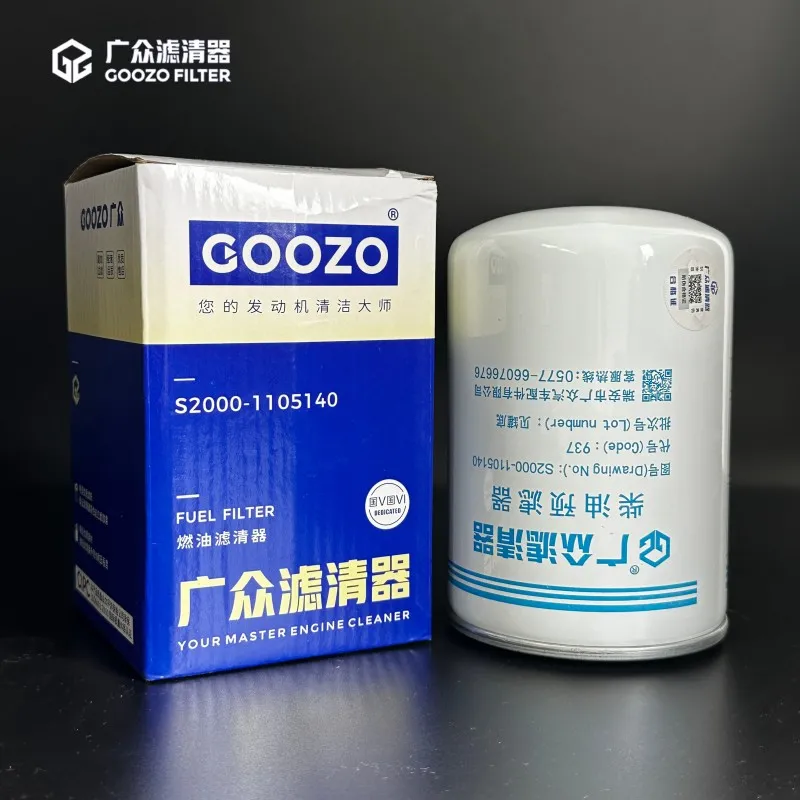
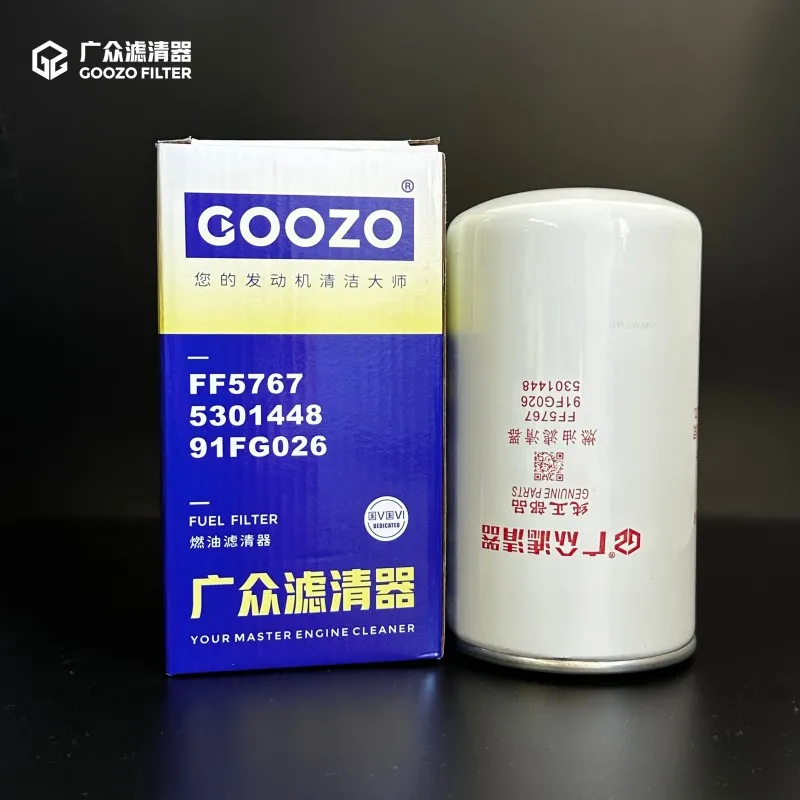
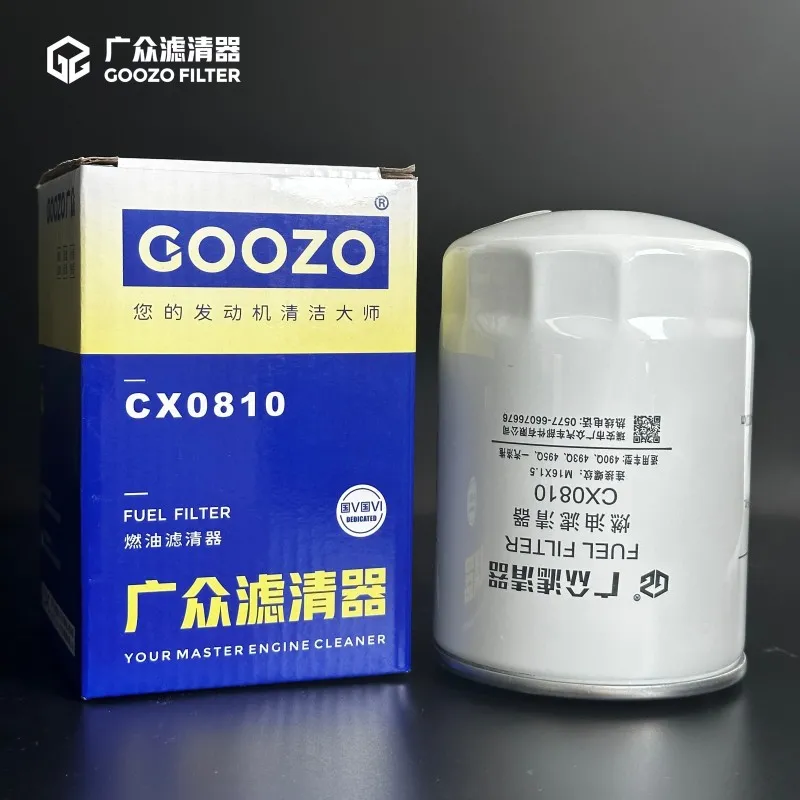
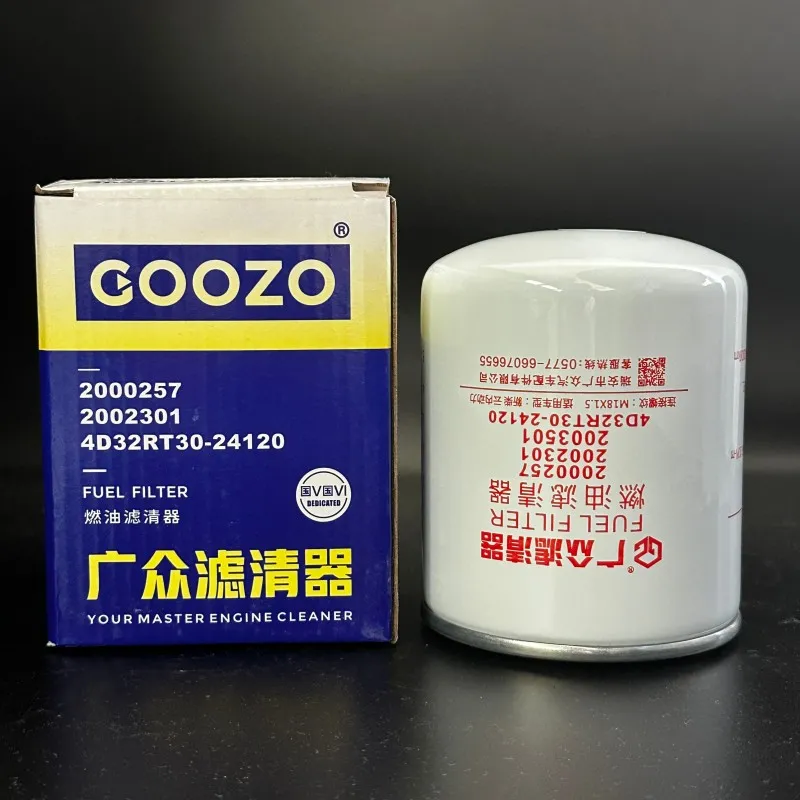
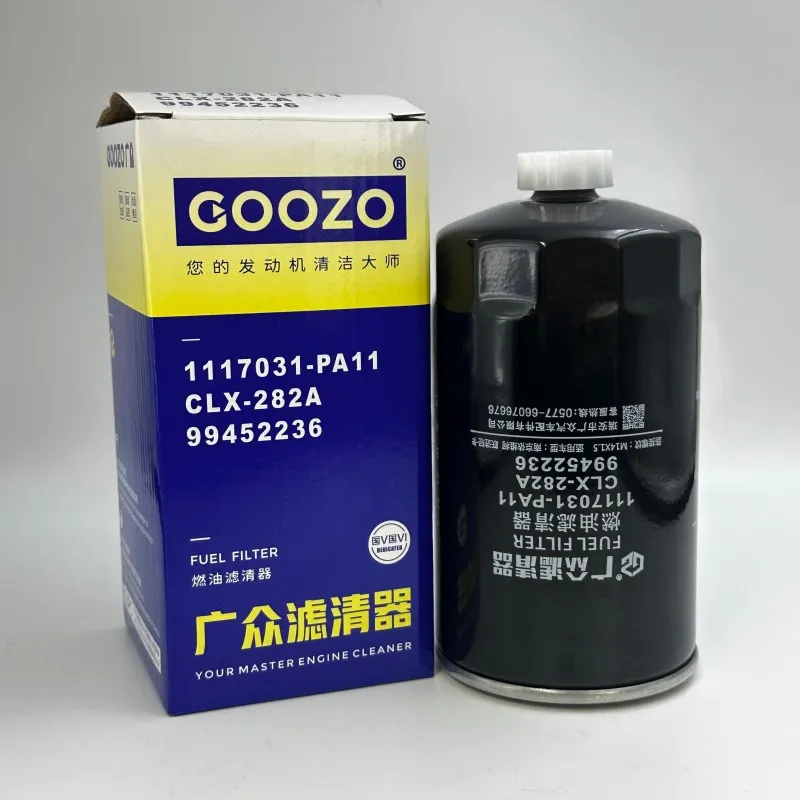
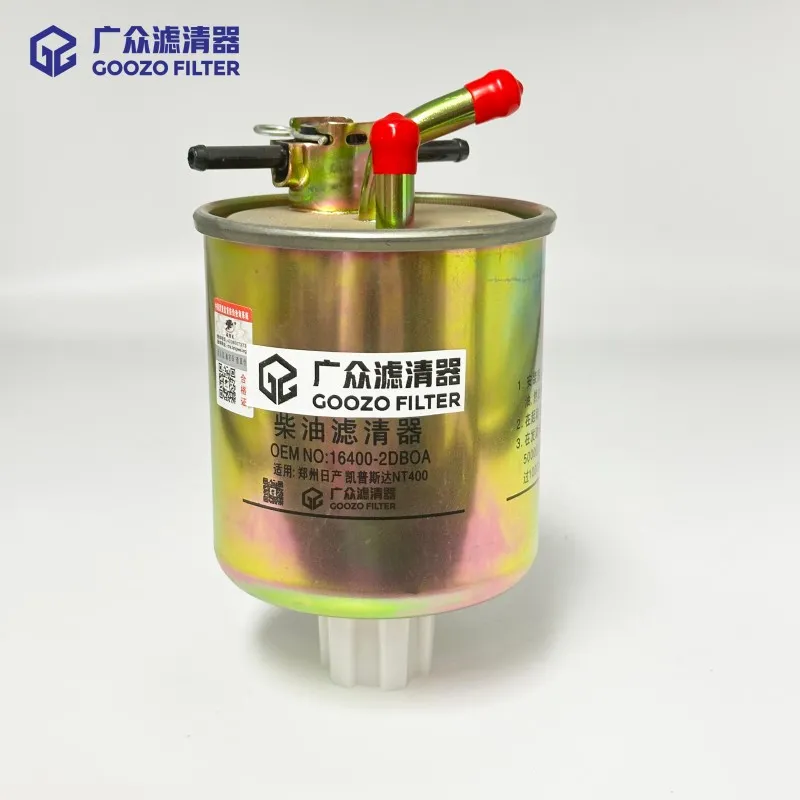
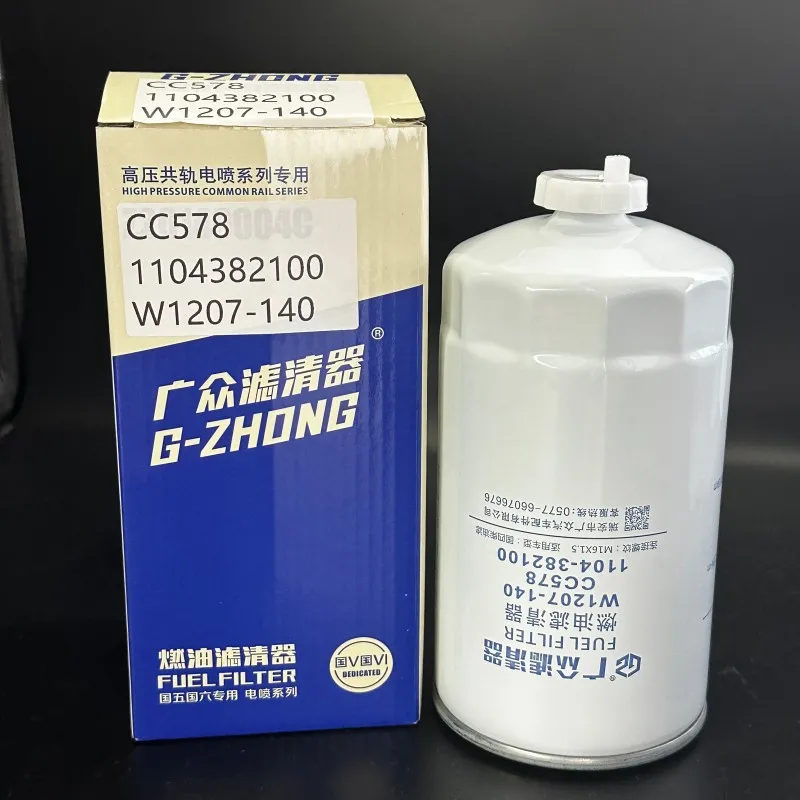
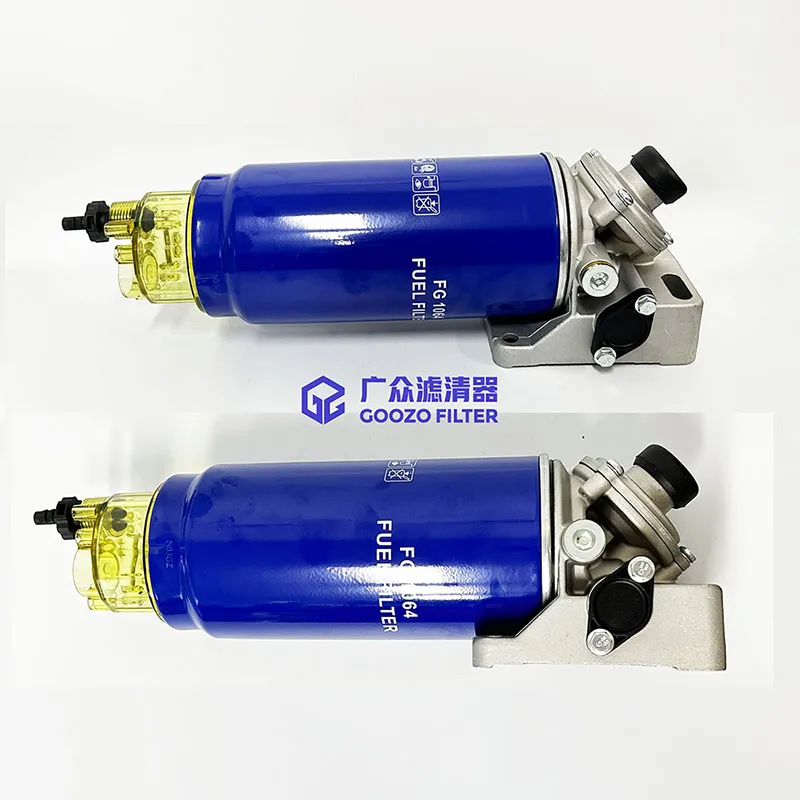
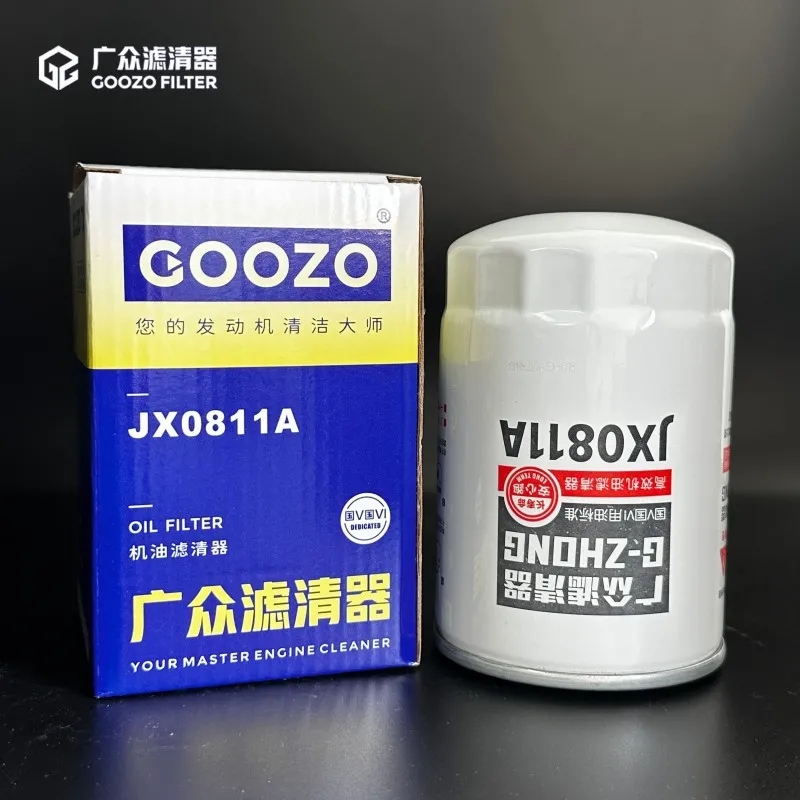
Choosing between forklift filters and standard engine filters entails assessing various factors, including machine usage, budget constraints, and environmental conditions. Based on feedback from users in diverse sectors—from logistics to construction—Goozo filters have consistently ranked higher in effectiveness and durability. Their filters have been reported to last longer and keep engines cleaner, contributing to lower fuel consumption rates. For buyers, here are the top recommended products:
Forklift filters are particularly well-suited for businesses operating in environments that demand high performance and reliability under load. They provide superior filtration efficiency, enhanced lifespan, and operational savings that overshadow the initial investment. Conversely, smaller operations with occasional use may find standard engine filters adequate. Ultimately, the choice hinges upon your specific operational needs and priorities.
Ready to optimize your fleet's performance? Explore our extensive range of filters at Goozo Filters and make an informed decision for your operational needs today.
It is advisable to replace forklift filters every 2,000 hours or based on your specific operational guidelines.
While it is possible, it is not recommended due to the differences in filtration efficiency and durability that forklift filters provide.
Yes, many users report long-term savings resulting from reduced maintenance needs and improved engine performance when using Goozo filters.
Get exclusive filter solutions
Submit your vehicle model parameters → Free matching of 3000+ stock models
View More
Related Products