Guide to Choosing Excavator Filters for Construction Equipment
Excavator filters are critical components in ensuring the smooth operation and longevity of construction equipment. Choosing the right filters can enhance performance, reduce downtime, and ultimately save costs. In this guide, we will explore the different types of excavator filters, key factors to consider when selecting them, and practical steps to ensure your excavator operates efficiently.
Understanding Excavator Filters
- What are Excavator Filters?
- Definition and role of filters in excavators.
- Types of filters: oil, fuel, air, and hydraulic filters.
- Importance of Filter Maintenance
- Impact of clean filters on performance and longevity.
- Statistics showing reduced failure rates and maintenance costs due to proper filtration.
Types of Excavator Filters
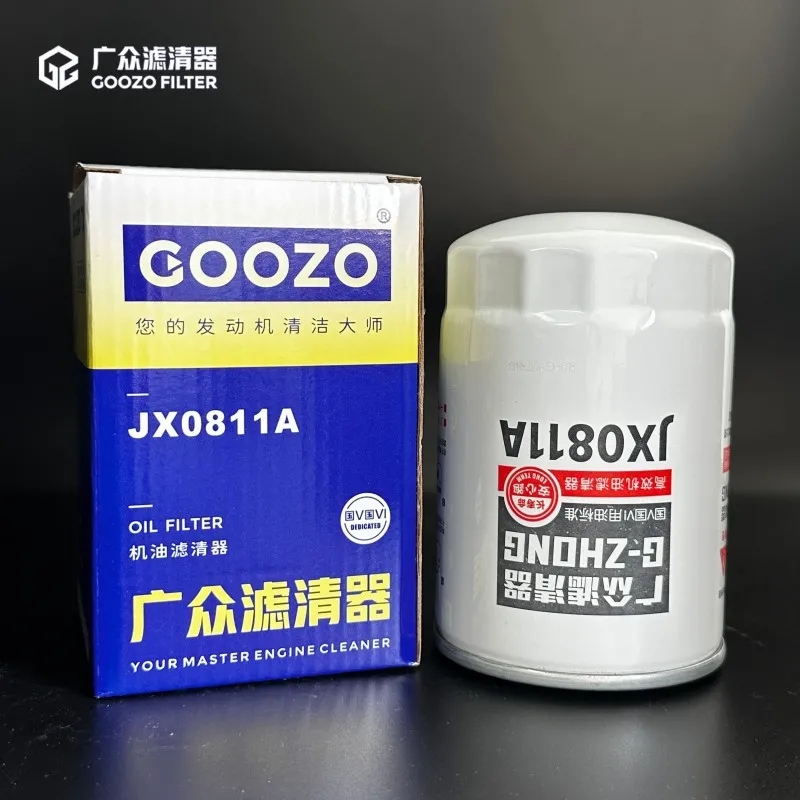
- Oil Filters
- Function: Removing contaminants from engine oil.
- Recommended brands and specifications.
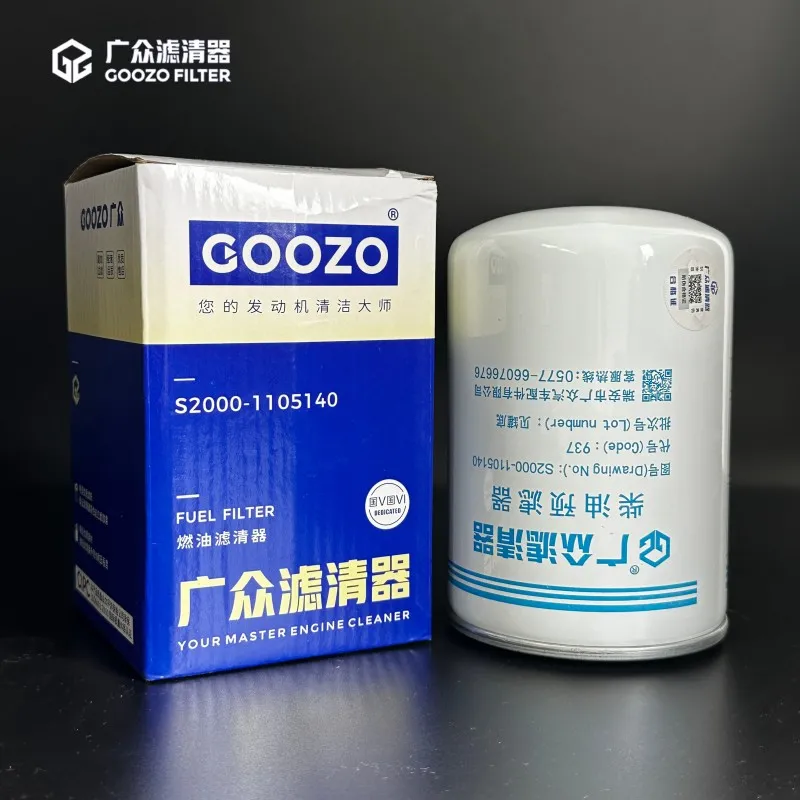
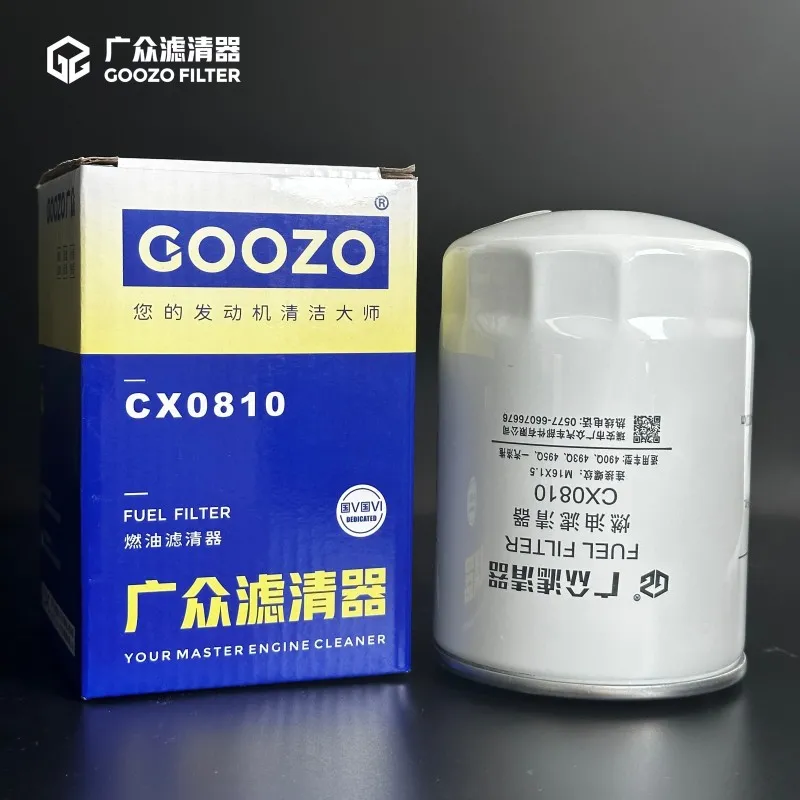
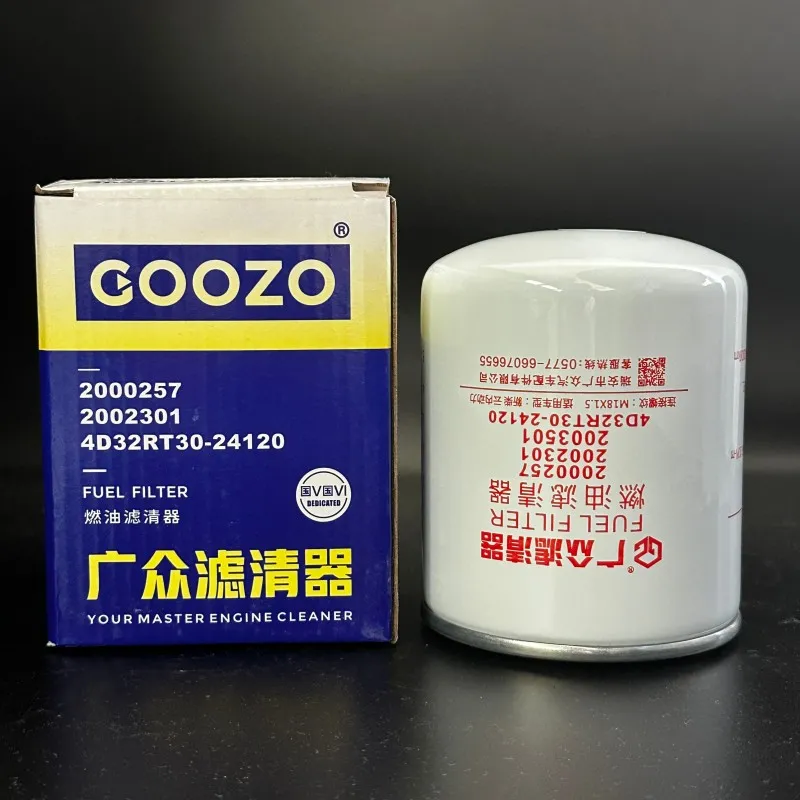
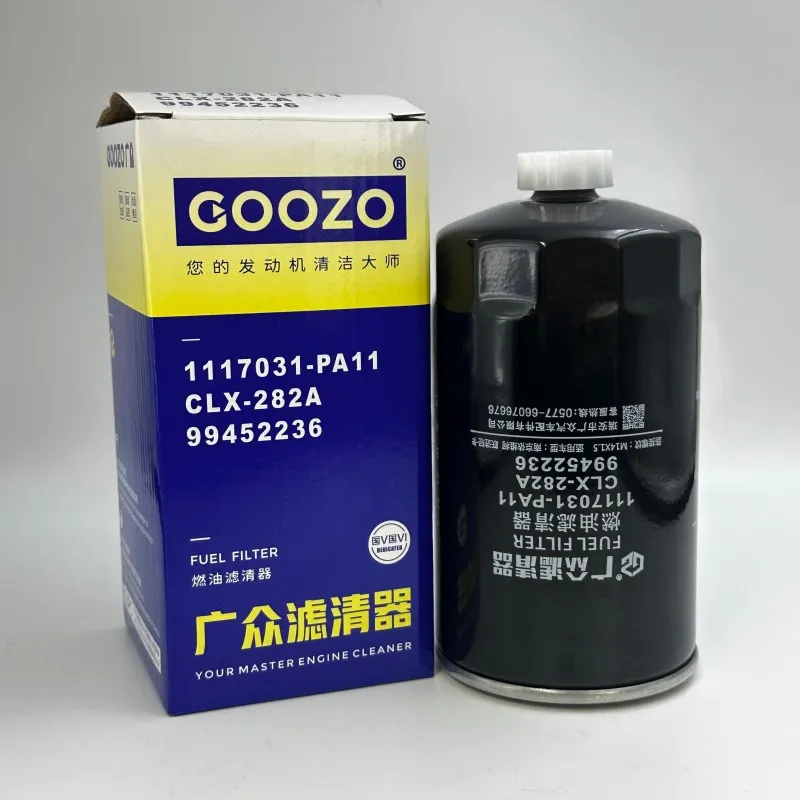
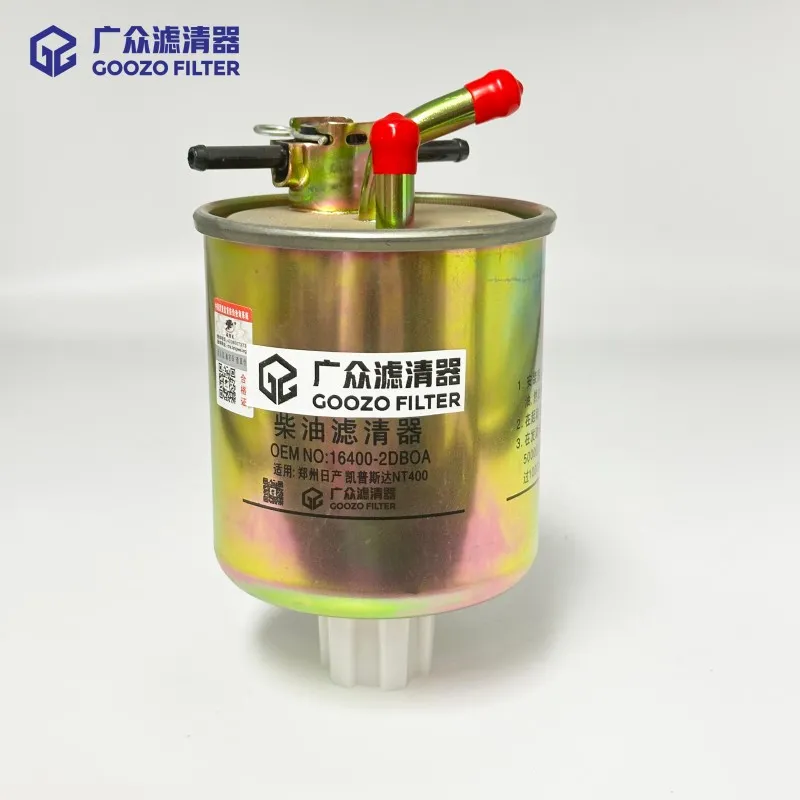
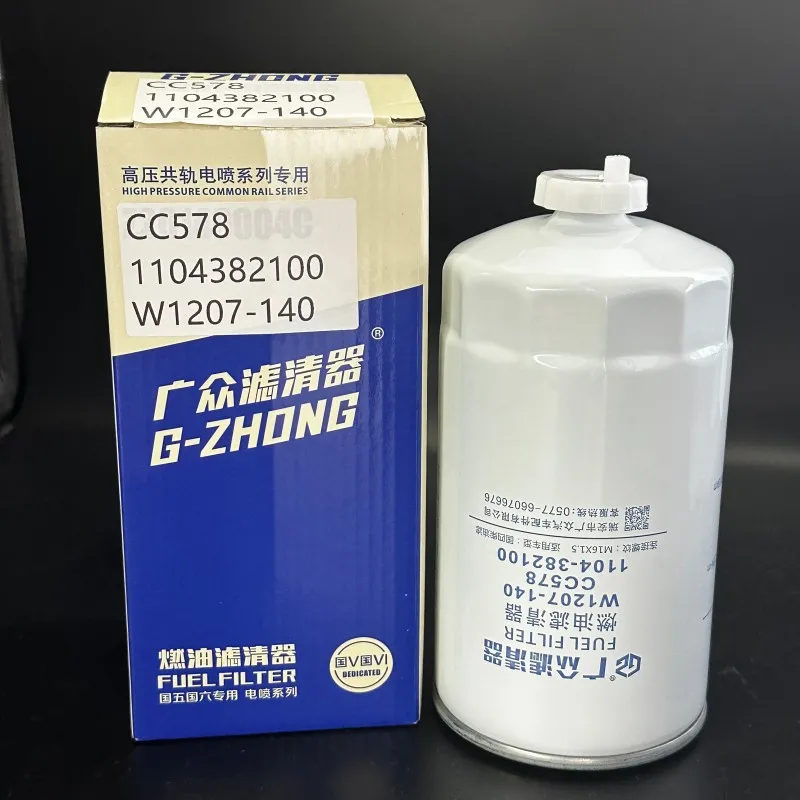
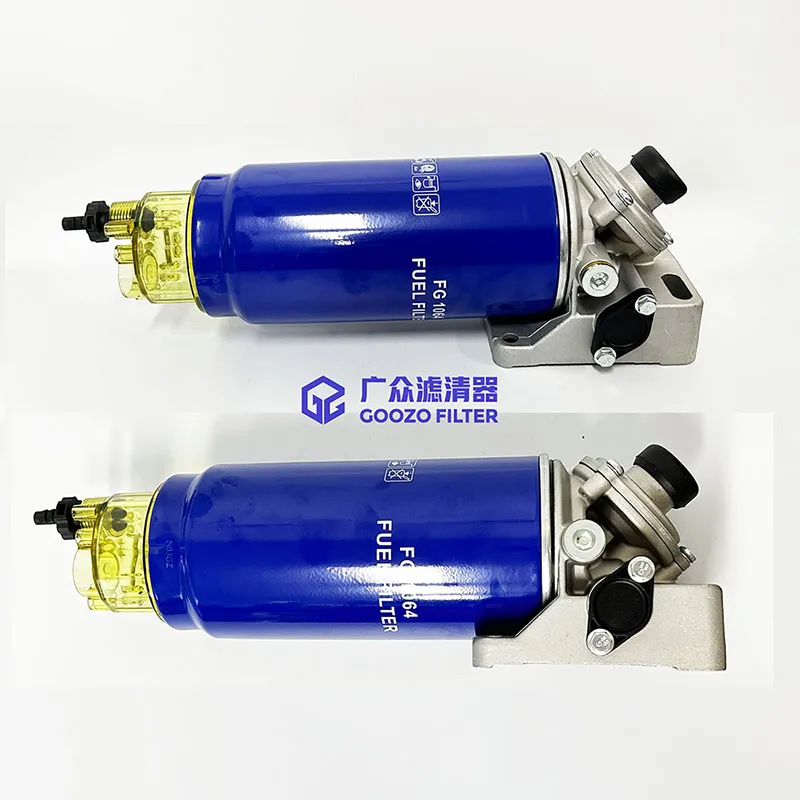
- Fuel Filters
- Function: Ensuring clean fuel reaches the engine.
- Different types available: primary vs. secondary filters.
- Air Filters
- Function: Preventing dirt and debris from entering the engine.
- Signs of a clogged air filter and when to replace it.
- Hydraulic Filters
- Function: Ensuring the hydraulic system operates efficiently.
- Common issues associated with hydraulic filter failure.
Factors to Consider When Choosing Filters
- Equipment Compatibility
- Check the manufacturer’s recommendations.
- Cross-reference part numbers to avoid mismatches.
- Quality and Durability
- Look for filters with industry certifications.
- Recognize trusted brands known for durability.
- Cost vs. Value
- Analyze the total cost of ownership for filters.
- Consider long-term savings from high-quality filters.
- Availability and Supply Chain
- Ensure local or online availability of filters.
- Assess lead times and supplier reliability.
Steps for Implementing Proper Filter Selection
- Conduct a Needs Assessment
- Analyze the conditions your equipment operates in.
- Identify specific filtration needs based on workload and environment.
- Research Compatible Filters
- Use manufacturer resources and forums for recommendations.
- Compare technical specs across various filters.
- Inspect Filters Regularly
- Develop a routine maintenance schedule.
- Document filter condition to identify patterns over time.
- Source Quality Filters
Tools and Resources for Filter Selection
- Manufacturer Websites
- Refer to OEMs for specifications and part listings.
- Industry Standards and Certifications
- Familiarize with ISO and SAE standards for filters.
- Cite findings from official sources like ISO.org.
Key Considerations Beyond Filters
- Overall Equipment Health
- Importance of regular oil changes and maintenance.
- How other maintenance practices affect filter efficacy.
- Staying Informed
- Keep up with industry trends and innovations.
- Consider joining professional networks for updates.
By adhering to these guidelines, you'll ensure your excavators are equipped with the right filters, which enhances performance and contributes to a cost-effective maintenance strategy. Taking the time to choose wisely will pay dividends in both uptime and operational efficiency.