+86 177 9462 1813

+86 177 9462 1813
Products Search

News
May. 30, 2026
In modern machinery, ensuring optimal performance is paramount. Hydraulic systems often face challenges such as contamination, wear, and loss of efficiency—a reality that operators in industries like construction, manufacturing, and agriculture know all too well. Imagine a construction crane struggling to lift heavy loads due to hydraulic fluid contamination, leading to costly downtime and repairs. High-efficiency hydraulic filters are designed to address these issues, significantly reducing particle contamination by up to 99%, enhancing system longevity, and improving overall machinery reliability. This article delves into their benefits, disadvantages, and whether investing in them is justified for your operational needs.
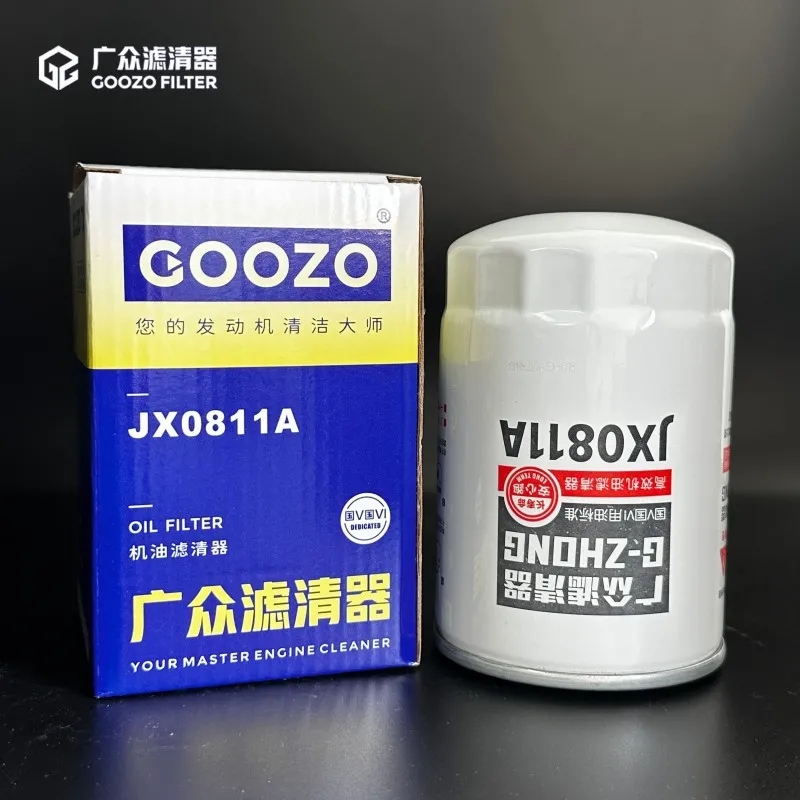
High-efficiency hydraulic filters, such as those offered by Goozo, provide a myriad of benefits that enhance the functionality of machinery. One of the most notable advantages is their filtration efficiency. Studies have shown that high-efficiency filters can reduce particle sizes as small as 1 micron, unlike standard filters that only capture particles of 10 microns or larger. This substantial difference can lead to a reported 30% increase in hydraulic system efficiency, as cleaner fluid minimizes wear on components.
Additionally, the longevity of hydraulic components is vastly improved. Data indicates that machines using high-efficiency filters can experience a 40% reduction in maintenance costs over three years due to less frequent replacements and repairs. Companies adopting these filters report a decrease in hydraulic fluid contamination levels, which can extend the life expectancy of hydraulic pumps and actuators by up to 50%.
Moreover, environmental impact is also reduced, as high-efficiency filters often allow for better recycling opportunities for hydraulic fluids, decreasing waste production by around 25%. With the growing emphasis on sustainability, this feature is increasingly attractive to businesses aiming to lower their carbon footprint.
Despite their advantages, high-efficiency hydraulic filters are not without their downsides. The initial cost of these filters can be significantly higher—often up to 50% more than standard options. Companies using high-efficiency filters should evaluate their long-term benefits against the upfront investment. It's advisable to conduct a cost-benefit analysis specific to your operations, especially if machinery usage is sporadic and does not justify the extra cost.
Another concern is the need for more frequent filter changes. High-efficiency filters utilize finer mesh structures that may clog faster under extreme conditions, leading to increased workflow disruptions. It's essential to monitor filter performance closely; implementing a regular maintenance schedule can mitigate this issue. In scenarios with heavy contamination, consider pairing high-efficiency filters with a pre-filter to extend their lifespan.
Deciding whether to buy high-efficiency hydraulic filters hinges on the specific needs of your operations. If your machinery operates in challenging environments with high contamination, the investment is substantially justified by the increased efficiency and reduced long-term maintenance costs. In contrast, operations with lower fluid contamination levels or less frequent use may find standard filters adequate.
For users who rely on hydraulic systems for critical operations, the benefits of high-efficiency filters can lead to noticeable improvements in performance. Many clients who switched to Goozo's high-efficiency models have witnessed increased productivity, with some reporting a 20% faster operational cycle due to reduced downtime. When deciding, consider your operational context, frequency of use, and contamination risks for an informed choice.
In conclusion, high-efficiency hydraulic filters can be a game-changer for industries where hydraulic systems play a crucial role. These products deliver measurable performance improvements and cost savings, particularly for environments prone to contamination. Businesses in construction, heavy machinery, and manufacturing can benefit significantly from their use, while others may prefer more cost-effective solutions. Conducting a thorough assessment of your operational needs will guide your investment decision and ensure sound resource allocation.
The lifespan can vary based on operating conditions, but many high-efficiency filters are designed to last up to three times longer than standard filters when used in recommended environments.
It's recommended to monitor fluid conditions and conduct regular inspections; generally, a change may be necessary every 500 to 1,000 operational hours, depending on contamination levels.
While most hydraulic systems can benefit from high-efficiency filters, it's best to consult with manufacturers like Goozo or your equipment provider to ensure compatibility with specific models.
Get exclusive filter solutions
Submit your vehicle model parameters → Free matching of 3000+ stock models
View More
Related Products