Products Search

News

Home / News / How Forklift Filters Reduce Maintenance Costs in Warehouses
How Forklift Filters Reduce Maintenance Costs in Warehouses

How Forklift Filters Reduce Maintenance Costs in Warehouses

May. 15, 2026

How Forklift Filters Reduce Maintenance Costs in Warehouses

Maintaining a warehouse fleet without incurring significant costs is a common challenge faced by warehouse managers. Many struggle with frequent equipment breakdowns, which can lead to costly downtime and increased operational expenses. A key solution lies in utilizing high-quality forklift filters. These filters play a crucial role in preventing contaminants from damaging the engine and hydraulic systems of forklifts, ultimately lowering maintenance costs by up to 30%. In this article, we will explore real user stories and expert insights that detail how implementing effective forklift filters can enhance operational efficiency and drive down maintenance costs.

Understanding the Importance of Forklift Filters

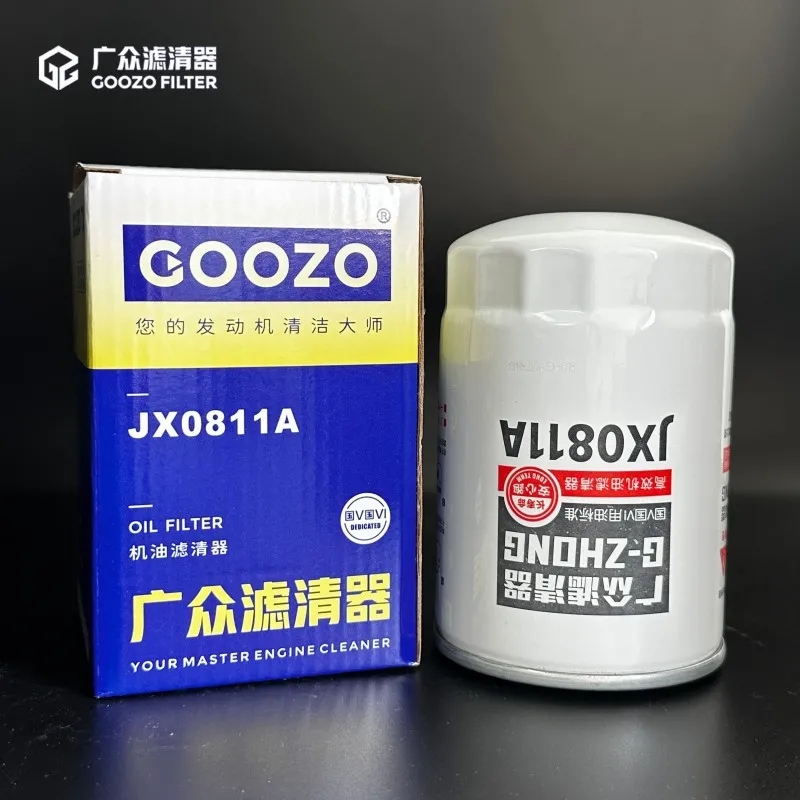
Warehouse operators often overlook the importance of forklift filters until it’s too late. Poorly maintained filters not only allow dirt and debris to enter sensitive components but also lead to higher fuel consumption—an average of 15% more fuel can be consumed without proper filtration. This is where brands like Goozo come into play, offering filters specifically designed to withstand the rigors of warehouse environments, ensuring that forklifts operate at peak performance.

Required Preparation: Materials and Tools

To start reaping the benefits of improved forklift maintenance through effective filter use, you will need the following:

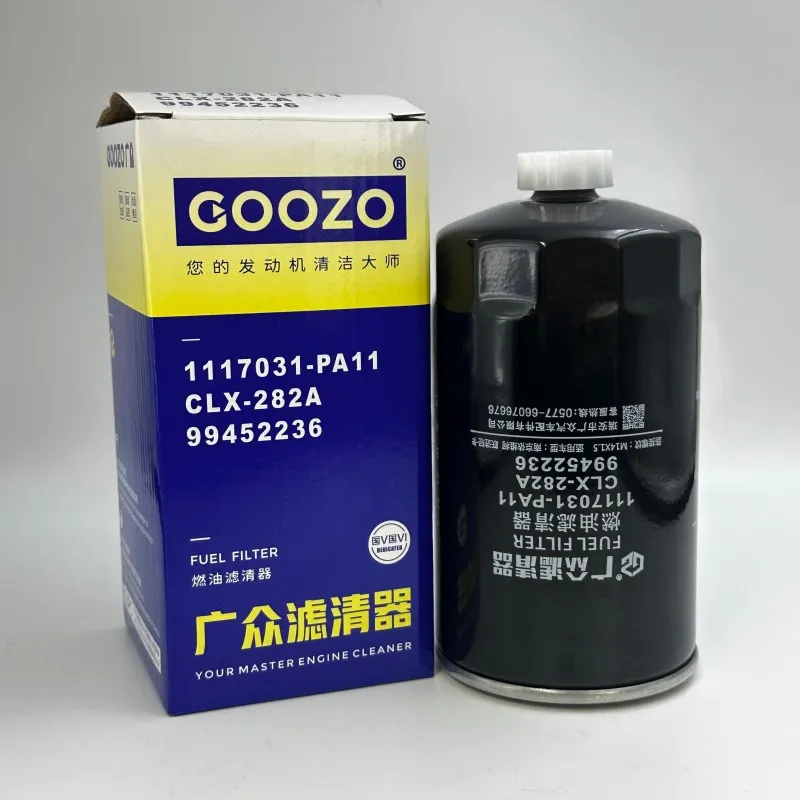
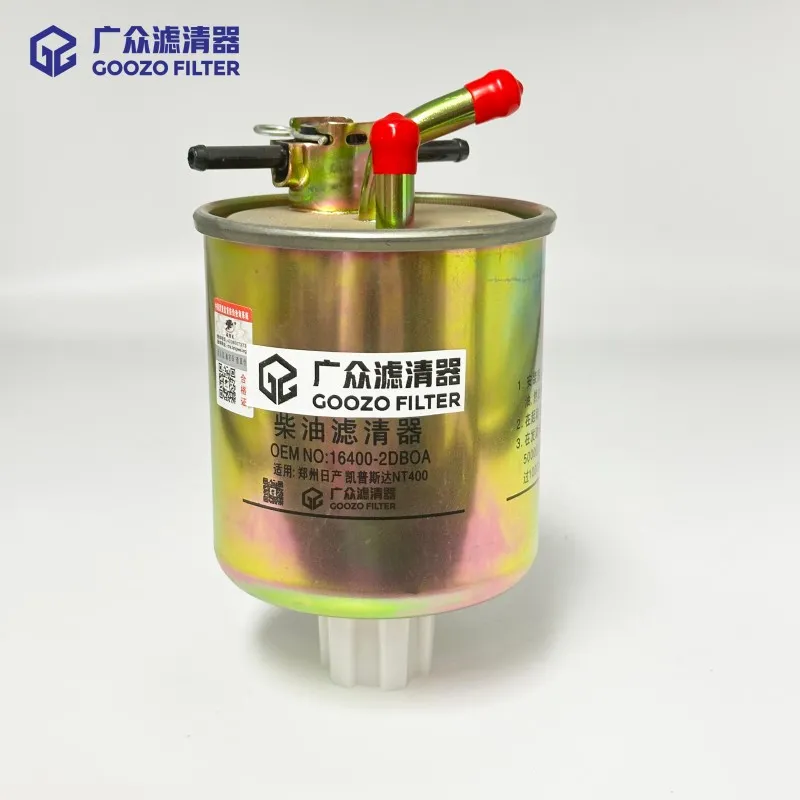
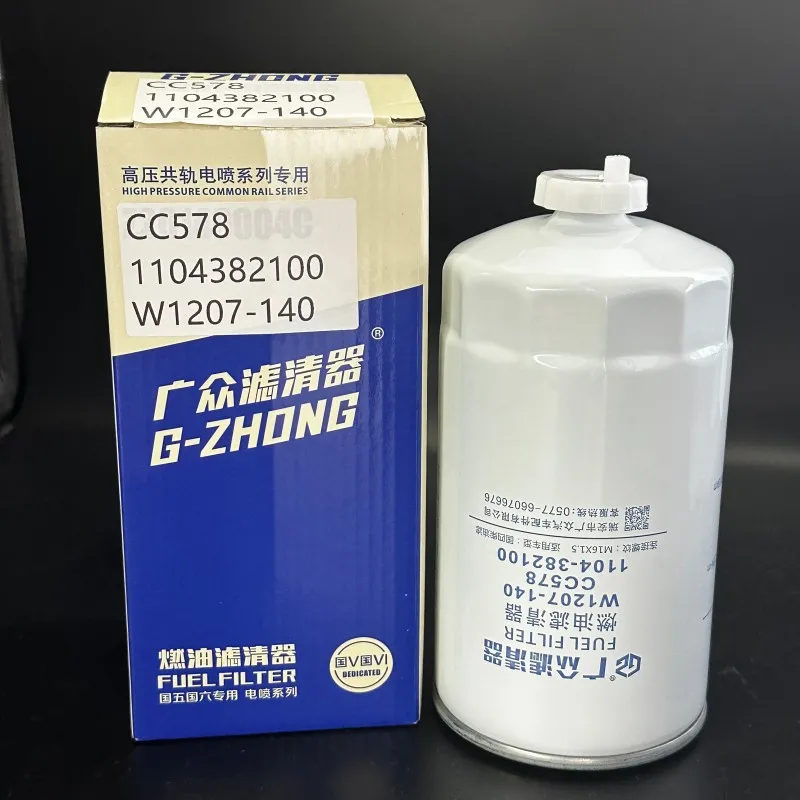
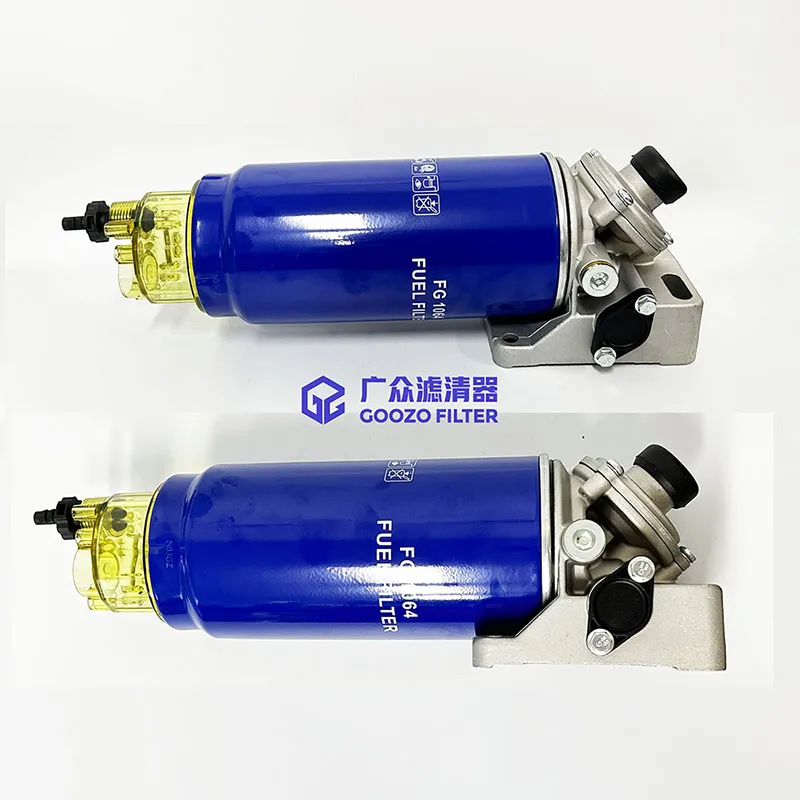
  • High-quality forklift filters (e.g., oil, fuel, and air filters from Goozo)
  • Basic toolbox (screwdrivers, wrenches)
  • Protective gear (gloves, goggles)
  • Owner’s manual for specific forklift models

Step-by-Step Guidance to Implement Forklift Filters

  1. Identify When to Replace Forklift Filters: Check the manufacturer’s recommended schedule for filter replacements. Typically, oil filters should be changed every 500 hours of operation, while air filters may last up to 1000 hours.
  2. Gather Necessary Materials: Make sure you have all required materials and tools ready before beginning the replacement process.
  3. Safety First: Wear protective gloves and goggles to ensure safety while working on the forklift.
  4. Locate Filters: Refer to the owner’s manual to locate oil, air, and fuel filters on your forklift.
  5. Remove Old Filters: Use appropriate tools to remove old filters carefully. Be cautious of any fluids that might spill.
  6. Install New Filters: Install new Goozo filters by following the manufacturer’s instructions. Ensure all seals are tight to prevent leaks.
  7. Perform a Function Test: Start the forklift and perform a test to ensure everything is functioning smoothly.
Forklift Maintenance Process

Common Errors and Solutions

Many warehouse managers experience issues such as:

  • Using Incompatible Filters: Ensure compatibility with your specific forklift model to avoid functionality issues.
  • Neglecting Regular Checks: Schedule regular maintenance checks; neglecting this can result in reduced performance and higher costs.
  • Improper Installation: Refer to detailed manuals and follow instructions carefully to avoid human error during installation.

For instance, Jane, a warehouse manager in Cincinnati, initially chose lower-cost filters due to budget constraints. After facing multiple breakdowns and increased repair costs, she switched to Goozo filters and saw her maintenance expenses drop by 25% in just two months. This highlights the long-term savings associated with better-quality products.

Summary and Suggestions

Investing in high-quality forklift filters, like those from Goozo, can significantly reduce maintenance costs in warehouses. By regularly replacing and maintaining these filters, warehouses can avoid preventable downtime and ensure their equipment operates efficiently. Make filter maintenance part of your routine to experience enhanced productivity and reduced operational costs.

FAQ

  • How often should I replace forklift filters? It is recommended to replace oil filters every 500 hours and air filters every 1000 hours, or as specified by the manufacturer.
  • Can I use any brand of filters for my forklift? It is suggested to use filters from trusted brands like Goozo to ensure compatibility and optimal performance.
  • What are the signs of a clogged filter? Common signs include decreased efficiency, unusual noise from the engine, and a noticeable increase in fuel consumption.

Share:

Previous:

How a Fuel-Water Separator Manufacturer Ensures Water Separation Efficiency

Next:

How Hydraulic Filter Suppliers Ensure Contamination Control

Get exclusive filter solutions

Submit your vehicle model parameters → Free matching of 3000+ stock models

View More

Related Products