+86 177 9462 1813

+86 177 9462 1813
Products Search

News
Apr. 06, 2026
When embarking on an Original Equipment Manufacturer (OEM) project, selecting a dependable fuel filter supplier is paramount to ensure the performance and durability of your equipment. Common pain points include inconsistent filter quality, supply chain delays, and inadequate customer support. For contractors like James, who lost valuable production time due to a faulty fuel filter, finding the right supplier became essential. By focusing on verified reliability and robust customer feedback, businesses can avoid costly setbacks. Here, we outline the essential criteria and actionable steps to choose the right fuel filter supplier.
Before diving into the selection process, gather the following materials and information:
Project Specifications: Understand the specific fuel filter requirements based on your OEM project, including filtration capacity, size, and compatibility.
Supplier Research Tools: Utilize online platforms and directories to compile a list of potential suppliers. Websites like ThomasNet, Alibaba, and industry-specific forums are valuable resources.
Quality Assurance Standards: Familiarize yourself with industry standards, such as ISO 9001, to ensure that your chosen supplier adheres to relevant quality protocols.
Begin by assessing the supplier's credentials and industry experience:
Look for certifications, including ISO 9001, which indicates quality management systems.
Review years in business; suppliers with at least 10 years in the field typically have established processes for quality control.
Understand the quality of the fuel filters offered:
Request performance test reports and data sheets that highlight performance metrics, such as filter efficiency and dirt-holding capacity.
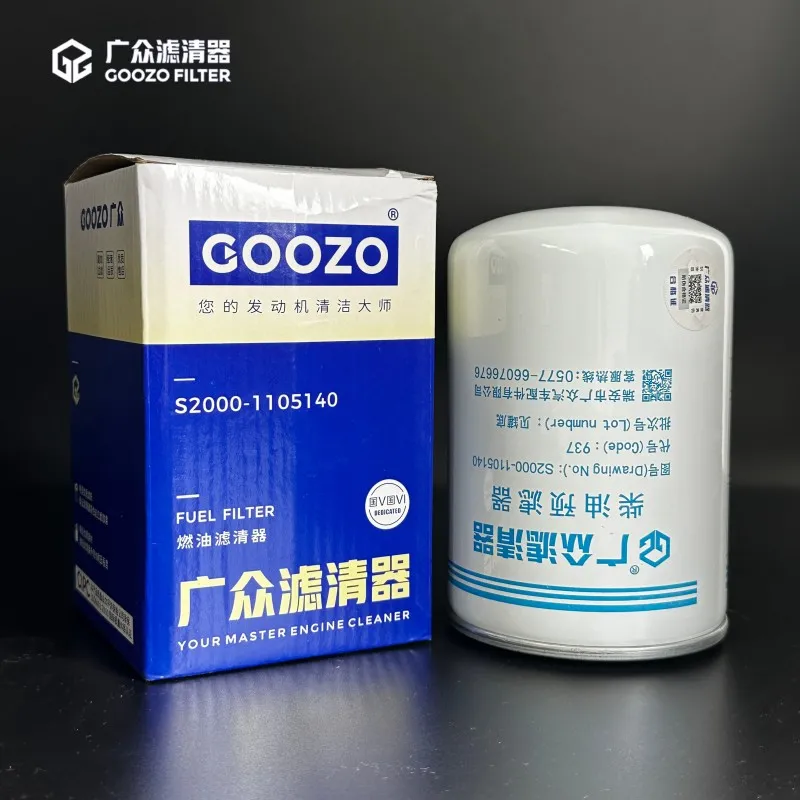
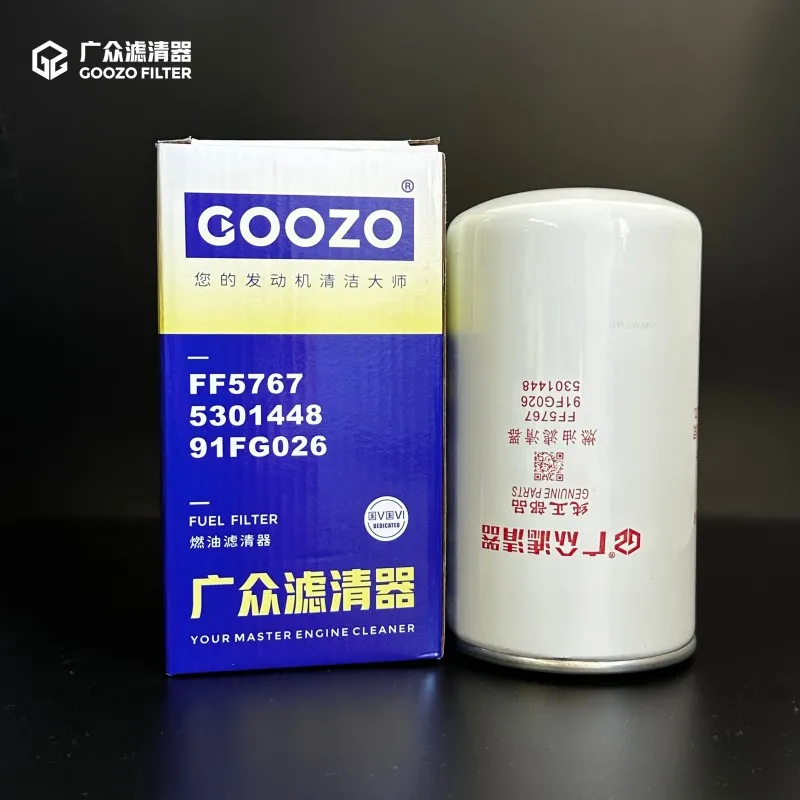
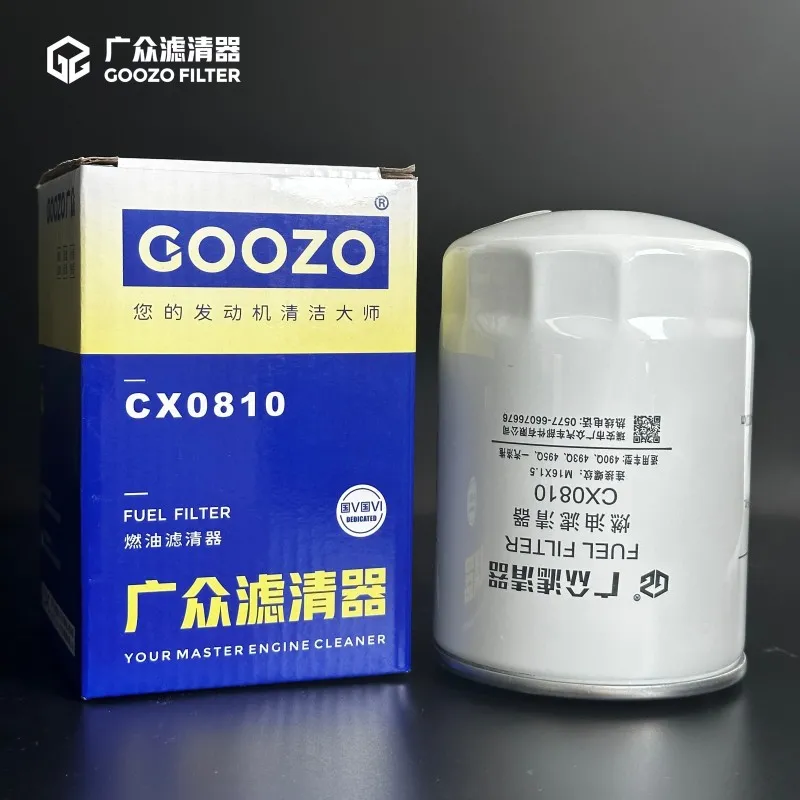
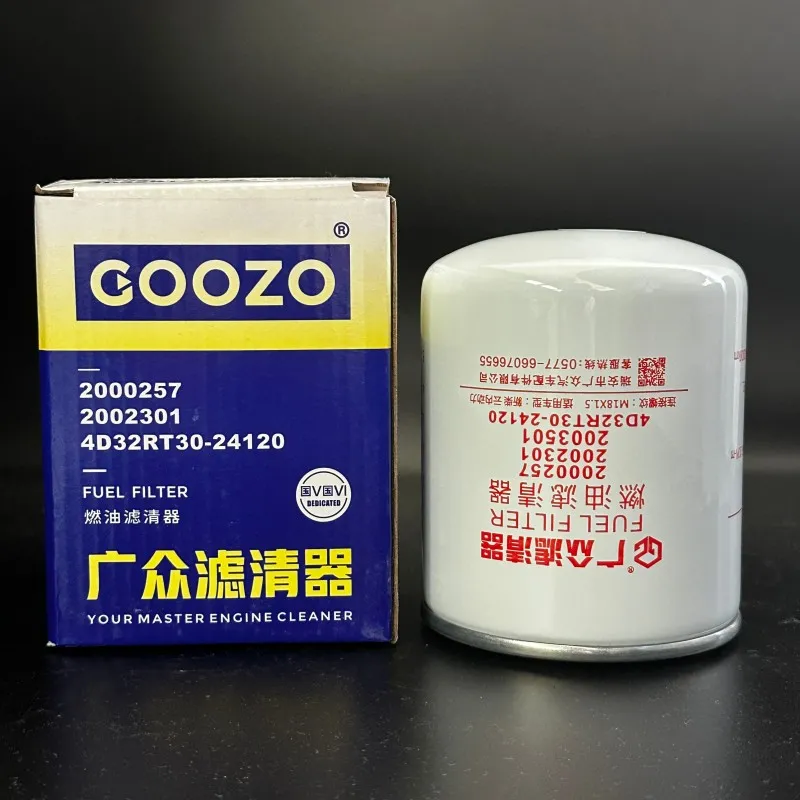
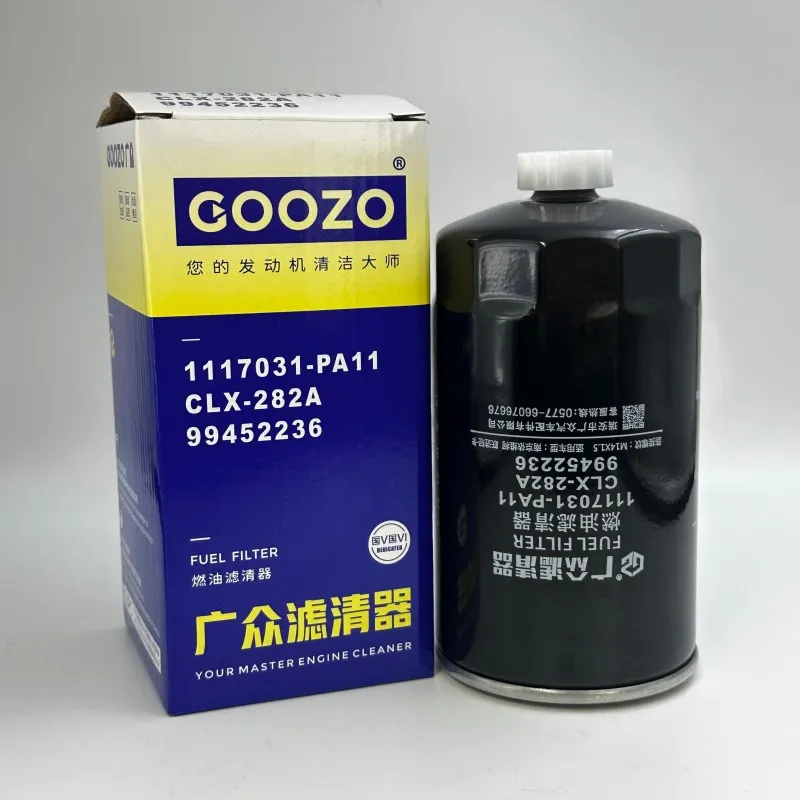
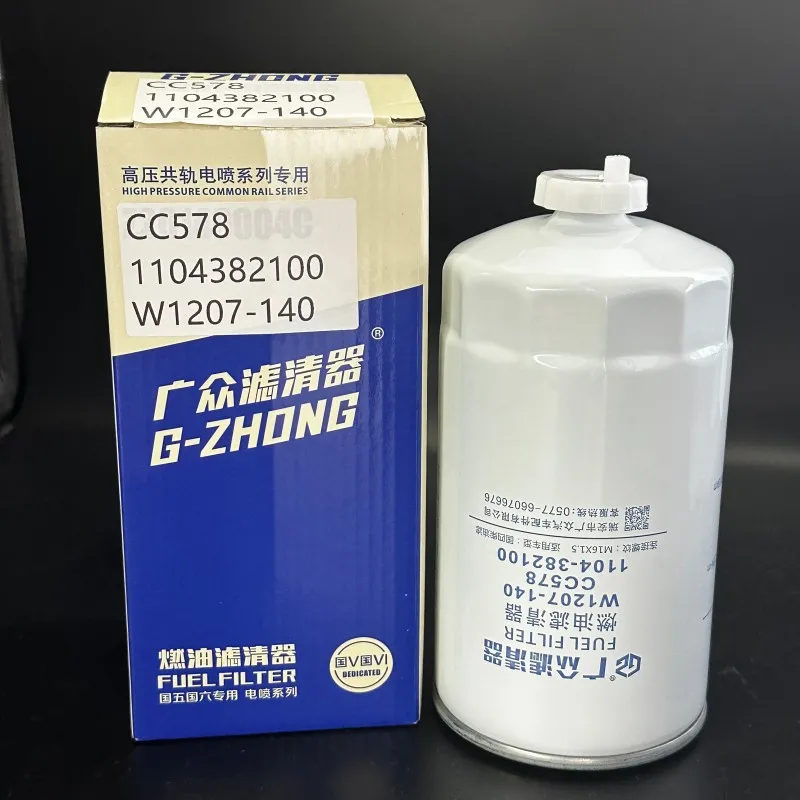
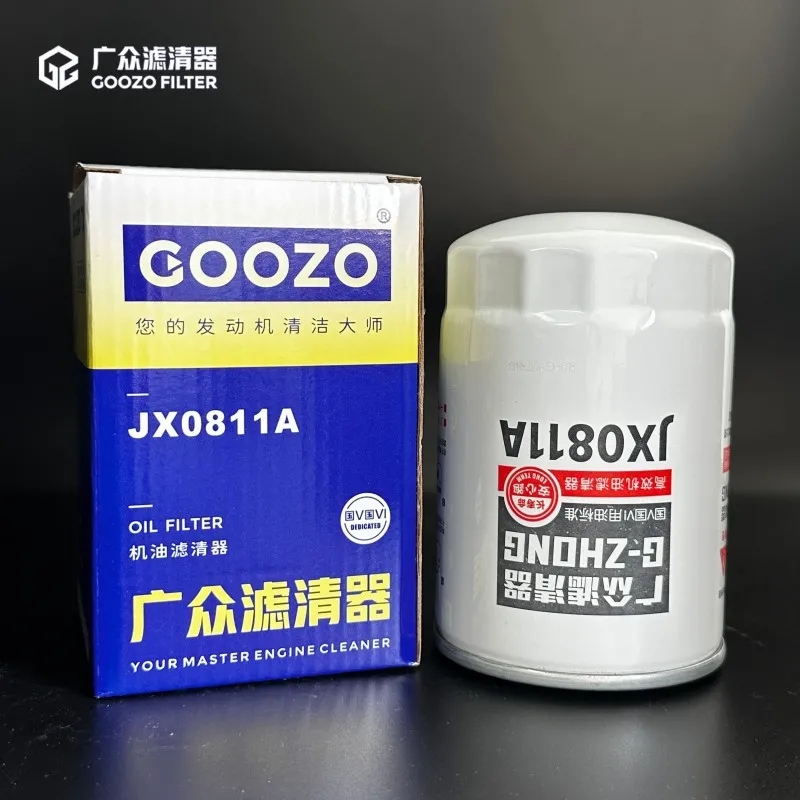
For example, a reputable supplier, Goozo, offers filters tested to filter 99.9% of particulates larger than 10 microns, ensuring optimum engine performance.
Examine reviews and testimonials from previous clients:
Seek case studies where the supplier’s products helped improve operational efficiency.
For instance, a mining company reported that switching to Goozo’s filters increased their machinery's operational time by 25%, mitigating downtime significantly.
Confirm the supplier’s ability to deliver products on time:
Check lead times and minimum order quantities.
A study indicated that suppliers with a proven track record for timely deliveries can enhance project timelines by approximately 30%.
Evaluate the level of customer support available:
Ensure they offer dedicated customer service, easy return policies, and technical assistance.
Engaging with a responsive supplier can resolve potential issues faster, reducing project disruptions.
Ensure that the supplier possesses relevant quality certifications. Skipping this could result in unreliable products.
Not articulating your specific needs can lead to receiving unsuitable products. Create a comprehensive requirements document before discussions.
Underestimating the importance of supply chain stability can hamper project timelines. Always confirm lead times and assess their stock levels.
Selecting a reliable fuel filter supplier for OEM projects requires a systematic approach to ensure success. Prioritize suppliers who demonstrate technical competence, unwavering quality, and robust customer service. By focusing on concrete performance metrics and proven experiences, such as those from Goozo, OEMs can significantly enhance their project outcomes and maintain operational integrity. Always document your research process and feedback to make informed decisions.
A1: Look for certifications like ISO 9001, industry experience of at least 10 years, and proven quality assurance processes.
A2: Request product datasheets, customer reviews, performance test results, and ask for case studies demonstrating success with similar projects.
A3: Unreliable suppliers may provide substandard products, leading to equipment failures, frequent downtimes, and increased operational costs.
Get exclusive filter solutions
Submit your vehicle model parameters → Free matching of 3000+ stock models
View More
Related Products