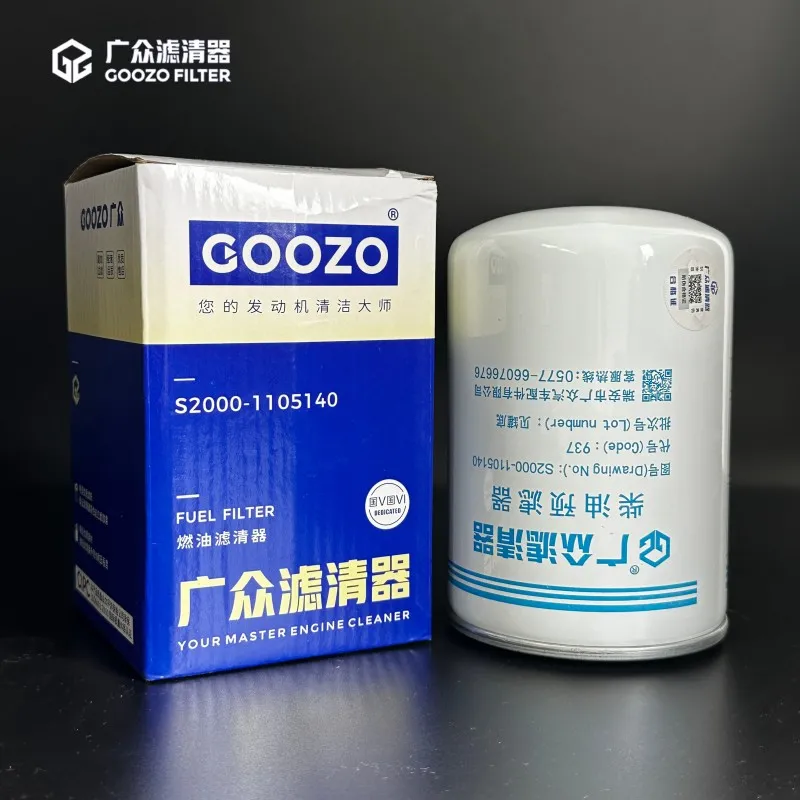
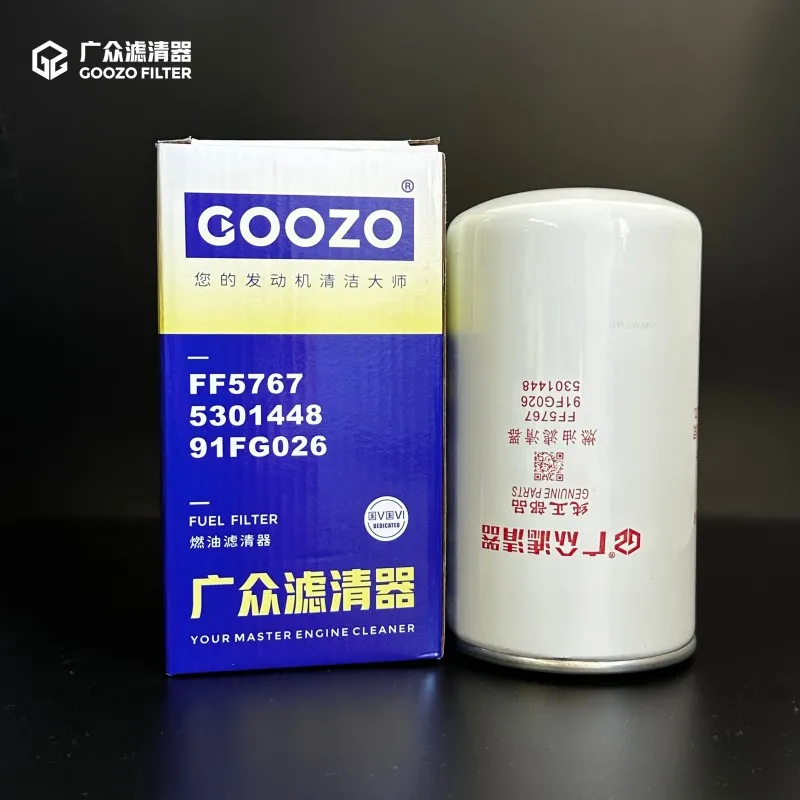
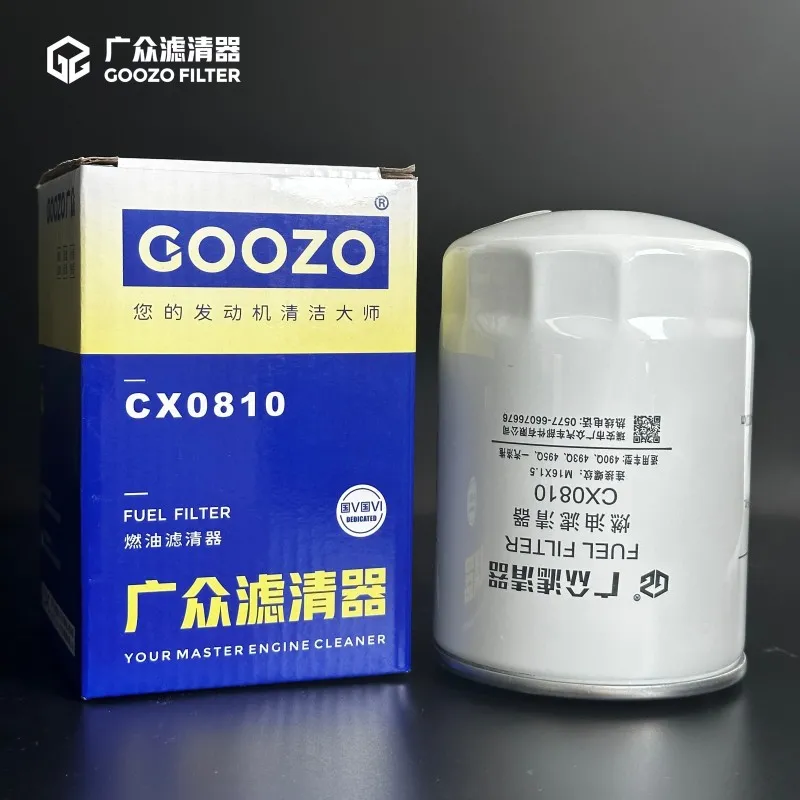
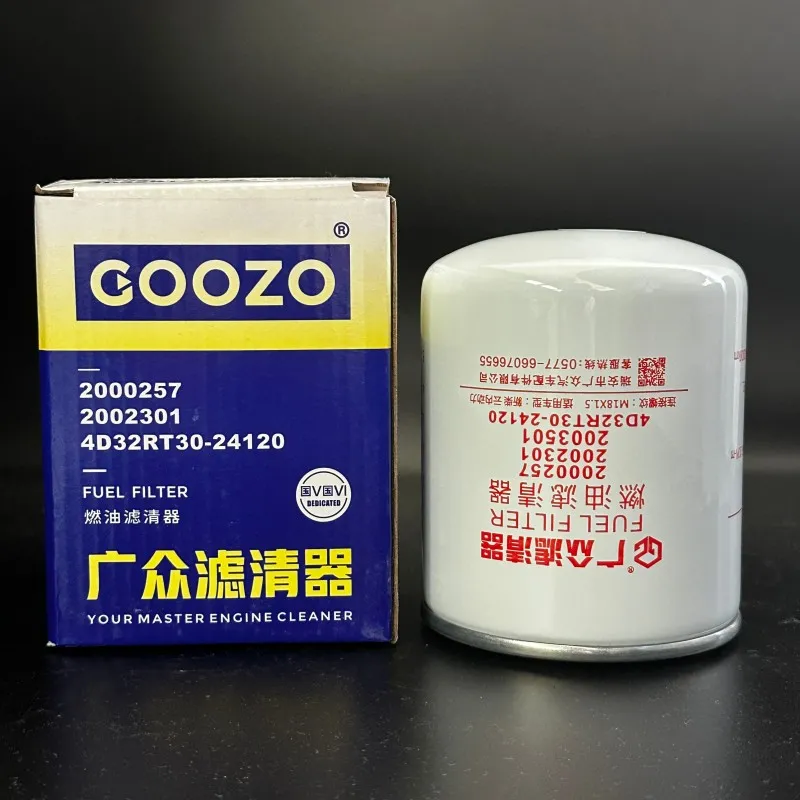
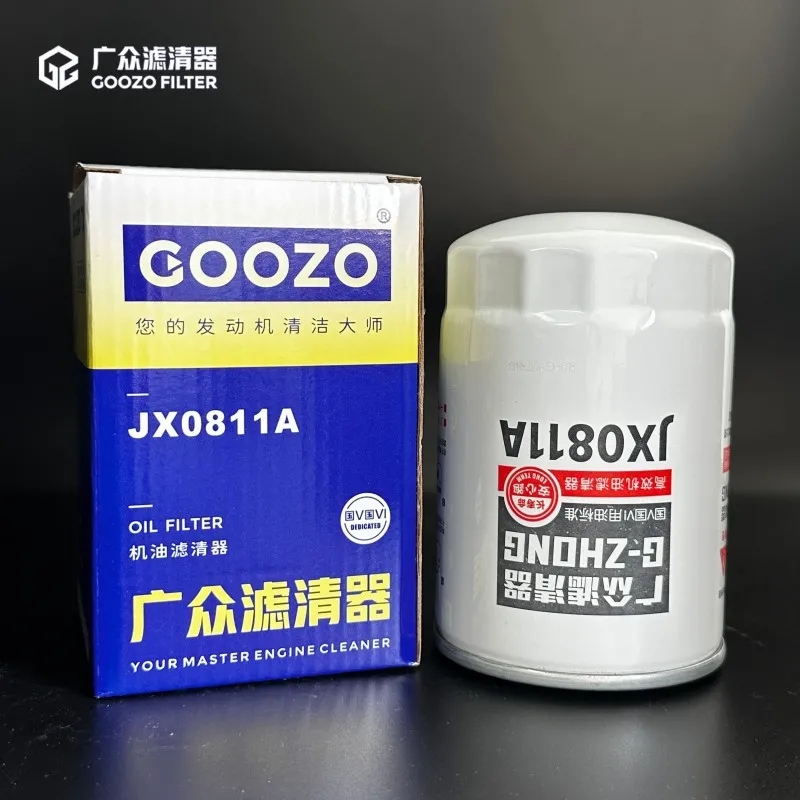
The Hydraulic Oil Filter Element is crucial for maintaining the efficiency and effectiveness of hydraulic systems. Understanding the factors that affect its life expectancy is vital for operators and maintenance personnel. This article explores the key elements influencing durability and offers practical insights on how to maximize the lifespan of hydraulic oil filter elements in industrial applications.
Factors Affecting the Life Expectancy of Hydraulic Oil Filter Elements
1. Quality of the Hydraulic Oil
- Viscosity: The viscosity of hydraulic oil can greatly affect the performance and life of filter elements. Oils with improper viscosity can lead to faster degradation.
- Contaminants: The presence of dirt, water, or additional particulate matter can cause filter clogging, reducing the life of the filter.
- Additives: Certain additives in hydraulic oils can degrade the filter media faster. It is essential to select oils that are compatible with filter materials.
2. Operating Conditions
- Temperature: High temperatures can accelerate filter degradation. Ensure that the operating temperature remains within the manufacturer’s specifications.
- Pressure: Excessive pressure puts stress on the filters, leading to potential rupture and reduced lifespan. Regular monitoring of pressure levels is recommended.
- Cycling Frequency: Frequent cycling of hydraulic systems can increase the load on filters, contributing to wear and tear.
3. Filter Design and Material
- Media Type: Different filter media (such as cellulose or synthetic materials) have varying durability and contaminant-holding capacities.
- Construction Quality: High-quality filters built to withstand pressures and contaminants will naturally have longer lifespans.
4. Maintenance Practices
- Regular Checks: Implement a routine maintenance schedule to inspect and replace filters as needed. This proactive approach can prevent expensive damages.
- Fluid Changes: Regularly replacing hydraulic fluids reduces the buildup of harmful contaminants that can shorten filter life.
5. Environmental Factors
- Contamination Levels: Operating in dusty or high-contaminant environments demands more frequent filter changes.
- Humidity and Temperature: Moist environments can lead to microbial growth in hydraulic fluids, which can clog filters more quickly.
6. Application Specifics
- Type of Hydraulic System: Different applications (e.g., construction machinery vs. industrial robotics) have varying demands and may influence filter lifespans.
- Load and Usage: Heavier loads and strenuous usage demand higher performance from hydraulic systems, impacting filter longevity.
Steps to Maximize Hydraulic Oil Filter Element Lifespan
- Choose high-quality hydraulic oil with appropriate viscosity and minimal contaminants.
- Monitor and maintain optimal operating temperatures and pressures.
- Inspect filter conditions regularly and adhere to maintenance schedules.
- Replace hydraulic fluids at recommended intervals to minimize contamination.
- Select filters made from durable materials suitable for your application's needs.
- Consider environmental challenges and tailor maintenance practices accordingly.
Additional Considerations for Hydraulic Oil Filter Maintenance
- Training Personnel: Ensure that staff is well-trained in recognizing when filters should be changed based on system performance.
- Use Technology: Employ monitoring technologies such as differential pressure indicators to provide real-time data on filter condition.

By leveraging the insights shared in this article, maintenance teams can improve the durability of hydraulic oil filter elements, leading to more efficient and cost-effective operations. Always ensure to source reliable products and consult with industry experts for specific requirements tailored to your settings.