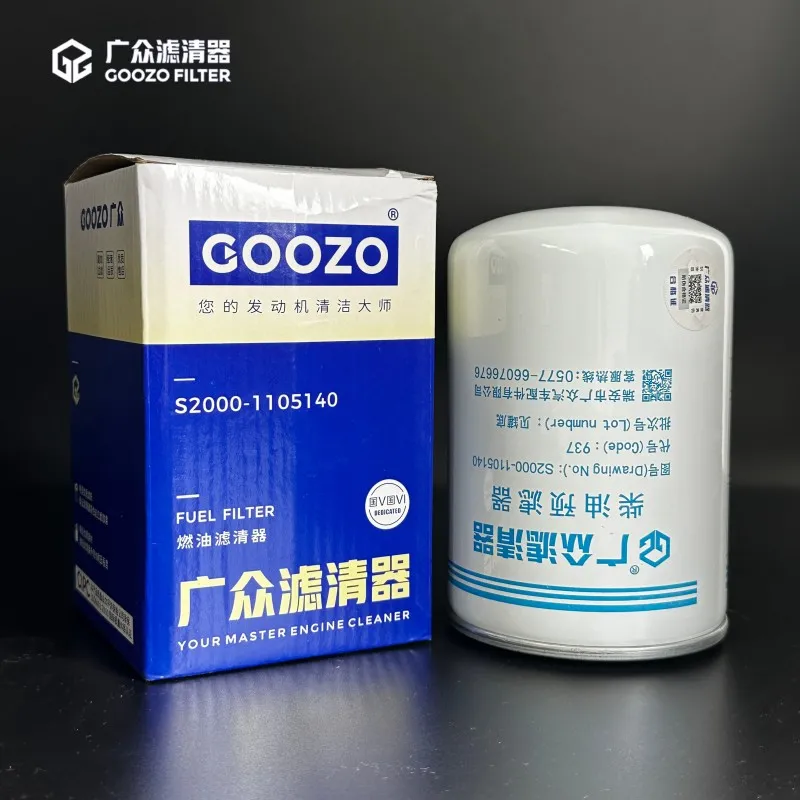
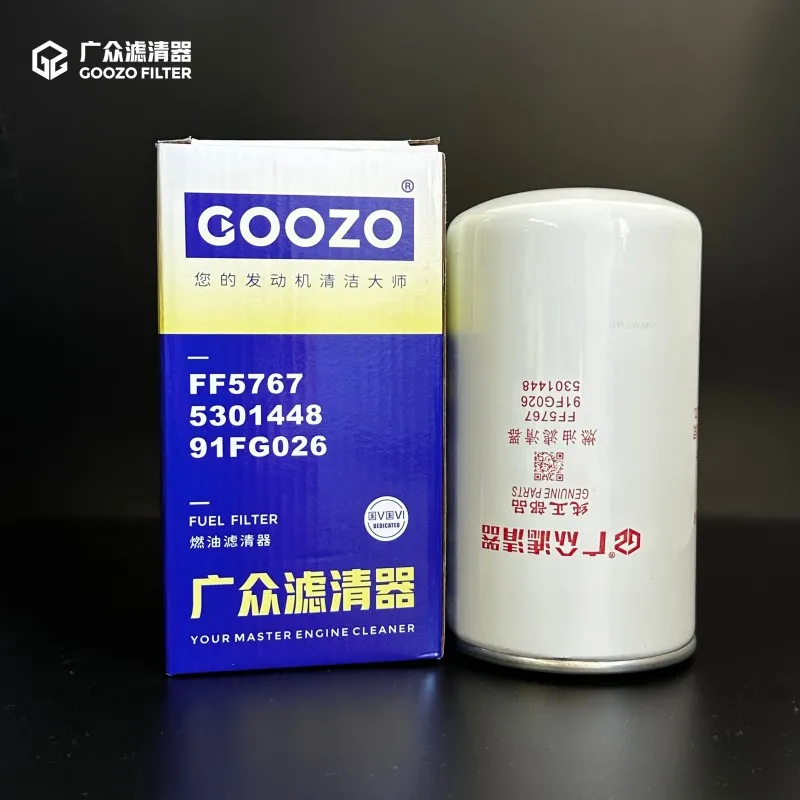
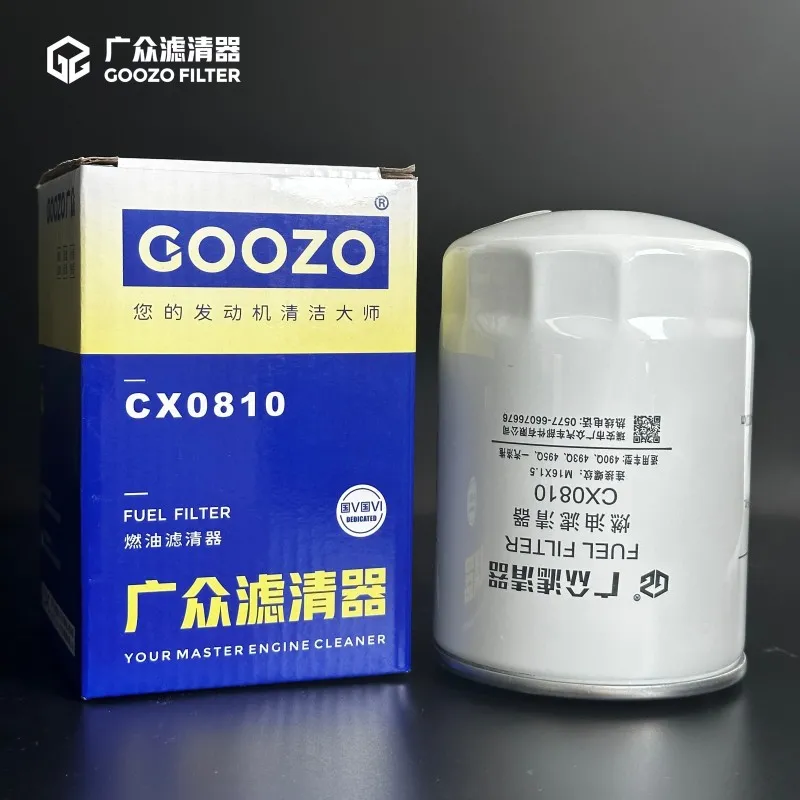
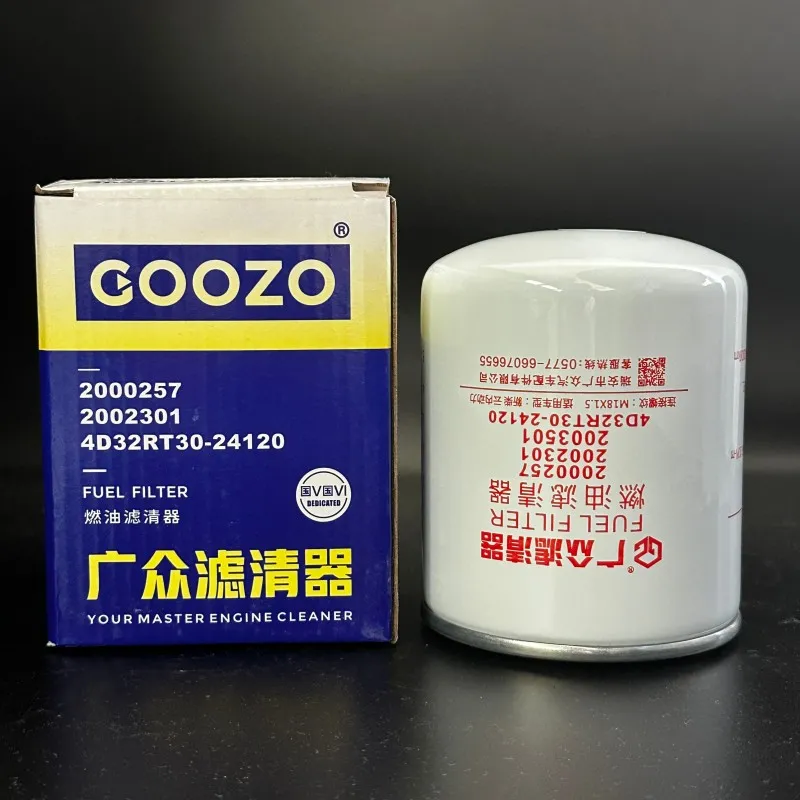
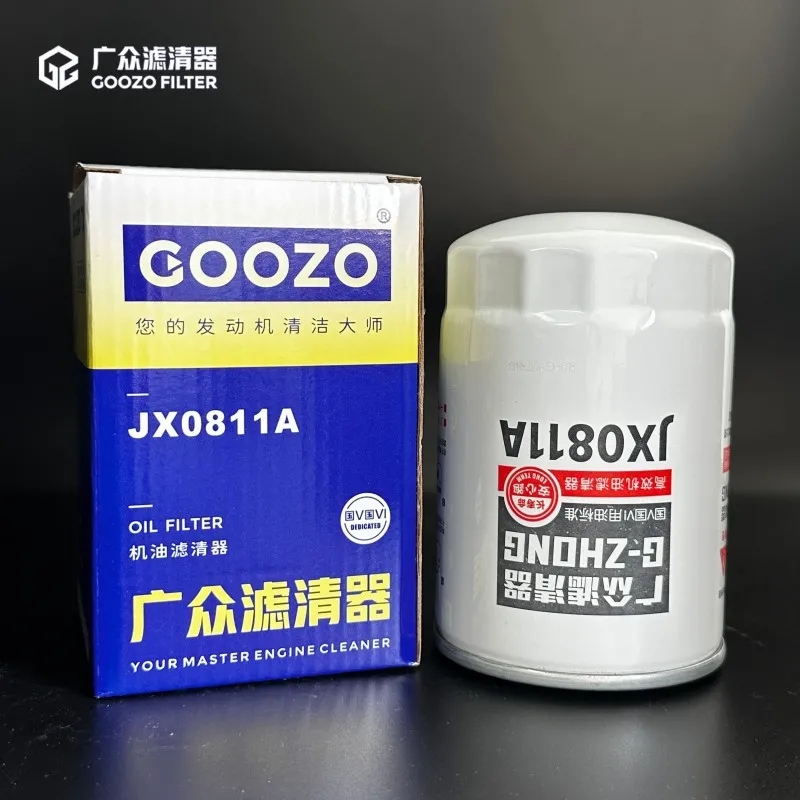
Hydraulic Oil Filter Elements play a pivotal role in maintaining efficient operations in hydraulic systems. Understanding the testing standards associated with these filters is crucial for ensuring optimal performance and longevity of machinery. This article delves into the various standards that govern hydraulic oil filter elements, guiding you through the essential testing procedures and their implications on quality and functionality.
Understanding Hydraulic Oil Filter Elements
- Definition and Purpose
- Hydraulic oil filter elements are designed to remove contaminants from hydraulic fluid, ensuring that machinery operates smoothly.
- They prevent wear and tear on components, ultimately enhancing the efficiency of hydraulic systems.
- Types of Hydraulic Filters
- Standard filters: Basic filtering mechanism addressing common contaminants.
- Strainer filters: Focus on coarse particulates using mesh screens or perforated materials.
- Suction filters: Located on the inlet side of the pump to protect it from large debris.
Key Testing Standards for Hydraulic Oil Filters
- ISO 16889: Filter Performance in Hydraulic Applications
- This standard evaluates the filtration performance of hydraulic filter elements through specific tests.
- It defines the method for determining the beta ratio, which measures efficiency in capturing particles.
- Figures and percentages attained determine the quality assurance of the filter.
- SAE J1858: Hydraulic Filtration Performance Standards
- Specific to the aerospace industry, this standard outlines critical performance criteria for hydraulic filters.
- It addresses contamination control and system reliability.
- ASTM D7671: Evaluation of Filter Performance
- This standard provides testing procedures focused on the physical characteristics of filter elements.
- It includes the assessment of flow rate, pressure drop, and filtration efficiency.
Steps to Implement Effective Hydraulic Oil Filter Testing
- Step 1: Identify Applicable Standards
- Consult with ISO, SAE, and ASTM publications to determine which standards are most relevant to your application.
- Step 2: Prepare Testing Environment
- Ensure that testing equipment meets regulatory compliance for filtration testing as per identified standards.
- Control factors such as temperature and viscosity for optimal simulation of operational conditions.
- Step 3: Execute Testing Procedures
- Conduct filtration tests following the specific methodologies outlined in the relevant standards.
- Record data meticulously to evaluate performance against set benchmarks.
- Step 4: Analyze Results
- Use statistical analysis to interpret the beta ratio and assess the efficiency and reliability of the filters.
- Ensure compliance with industry standards to reinforce product quality.
The Importance of Regular Filter Testing
- Ensure Equipment Longevity
- Regular testing of hydraulic oil filter elements prevents failures and reduces downtime.
- Incorporating testing as a standard practice enhances maintenance protocols.
- Reduce Operational Costs
- Investing in quality testing minimizes long-term expenses related to equipment damage and system inefficiencies.
Advanced Testing Techniques and Innovations
- Emerging Technologies
- Explore new approaches like electronic monitoring and real-time filtration efficiency evaluations.
- Integration of AI-driven analytics for predictive maintenance based on testing outcomes.
Conclusion
Understanding the hydraulic oil filter element testing standards is essential for achieving reliability and efficiency in hydraulic systems. By following the steps outlined and adhering to required standards, you can ensure optimal performance and prolong the lifespan of your machinery. Regular testing and embracing advanced technologies will also yield significant cost savings and operational improvements.
For further insights and detailed procedural guidelines, visit Goozo.