+86 177 9462 1813

+86 177 9462 1813
Products Search

News
Sep. 01, 2026
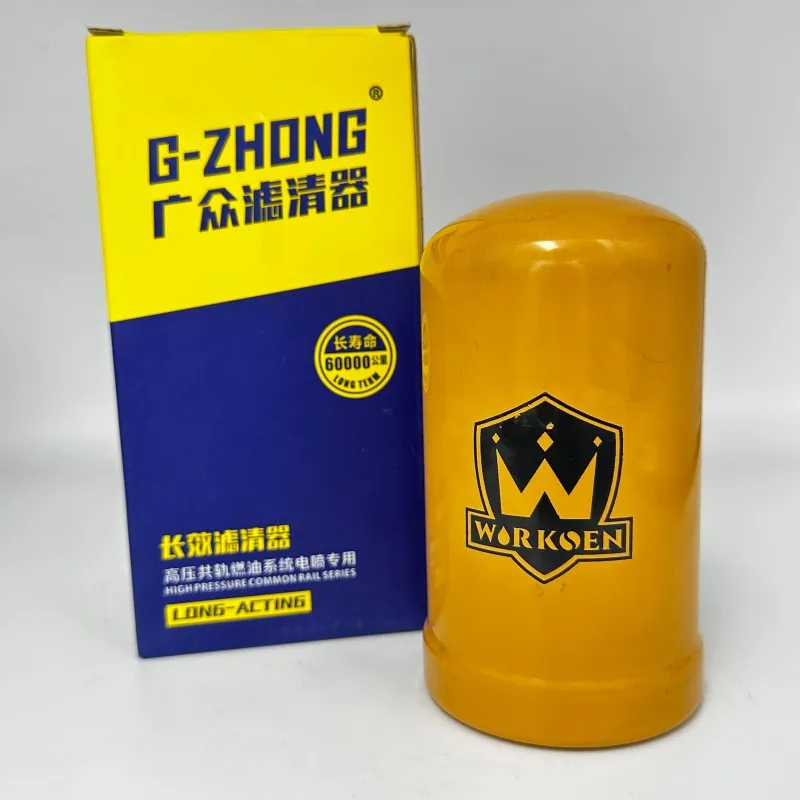
A hydraulic oil filter element is a critical component designed to filter contaminants from hydraulic fluids in various machinery and systems, ensuring optimal performance and extending equipment lifespan.
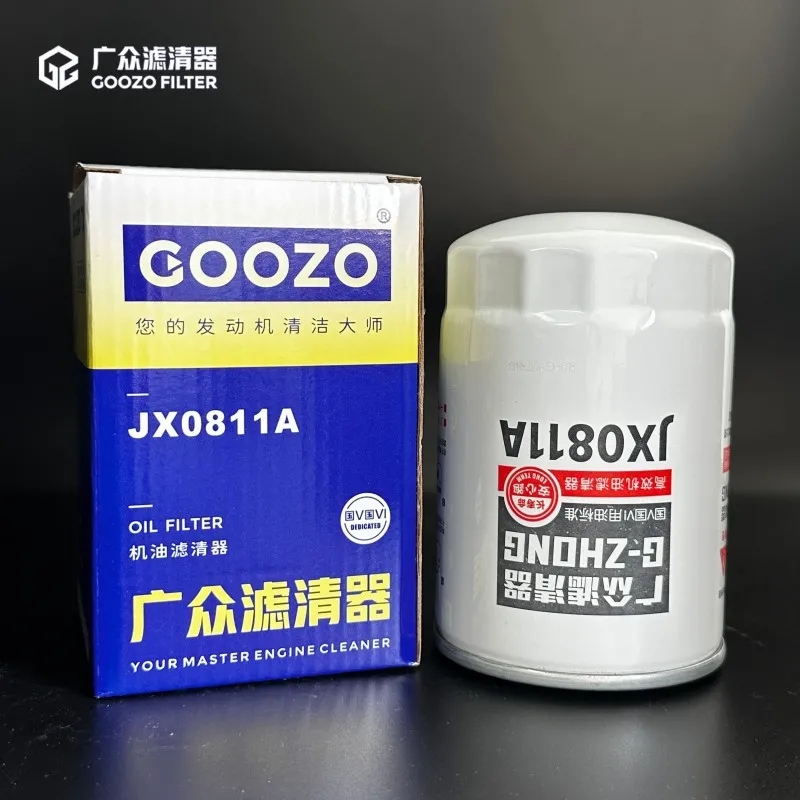
Standard oil filters are used predominantly in automotive and industrial applications, designed to remove particulates from engine oils and lubricants, improving engine efficiency and lifespan.
Hydraulic oil filters typically provide a finer filtration efficiency compared to standard oil filters, making them ideal for protecting sensitive hydraulic components.
Hydraulic filters usually support higher flow rates, essential for heavy machinery, while standard filters are adequate for standard engine applications.
Hydraulic filters use more robust materials (e.g., fiberglass) to withstand harsh conditions, whereas standard filters generally utilize less durable materials.
Hydraulic oil filters may have a higher upfront cost but often lead to reduced maintenance costs in heavy-duty applications, while standard filters are less expensive but may require more frequent replacements.
Hydraulic oil filters can maintain efficient performance over extended periods, often exceeding 1000 operating hours without significant drop in filtration efficiency. In contrast, standard oil filters may require replacement every 3,000 to 5,000 miles, depending on usage.
Hydraulic filters are suited for construction, manufacturing, and agricultural machinery. Standard oil filters are more applicable for personal vehicles and light-duty equipment.
Opt for hydraulic oil filters when operating heavy machinery or in environments where fluid contamination can severely affect system performance. Companies like Goozo provide high-quality hydraulic oil filter elements specifically designed for this purpose. Visit us at Goozo Filters.
Standard oil filters are ideal for personal vehicles or light-duty engines where the filtration needs are less critical. They are designed for routine use, providing satisfactory protection for less demanding applications.
In the comparison of hydraulic oil filter elements and standard oil filters, it is evident that each type serves distinct purposes based on application and performance requirements. Understanding these differences helps users like you make informed choices that meet your operational needs effectively. For those needing high-quality filtration solutions, consider exploring the options from Goozo.
Get exclusive filter solutions
Submit your vehicle model parameters → Free matching of 3000+ stock models
View More
Related Products