+86 177 9462 1813

+86 177 9462 1813
Products Search

News
Jun. 19, 2026
In warehouse operations, Forklift Filters are frequently overlooked, yet they play a crucial role in ensuring optimal performance and safety. Neglecting their maintenance can lead to increased downtime, reduced operational efficiency, and higher repair costs. Adequate care for forklift filters not only extends the lifespan of these essential components but also enhances workplace safety and productivity. For instance, studies show that properly maintained filters can improve engine performance by up to 25%, reducing fuel consumption significantly. This article explores practical maintenance tips for forklift filters that can help warehouse managers tackle common challenges effectively.
Why? Regular inspections help identify signs of wear and tear before they escalate into significant problems.
Inspect forklift filters at least once a month. Look for visible clogs, damage, or contamination. If the filter is discolored or has debris trapped inside, it may need replacement. This routine check ensures that the forklift operates efficiently, saving up to 15% in fuel costs by preventing excess strain on the engine. For users managing multiple forklifts, scheduling inspections at different times can reduce downtime.
Why? Following the manufacturer's recommendations prevents premature failure and maintains warranty compliance.
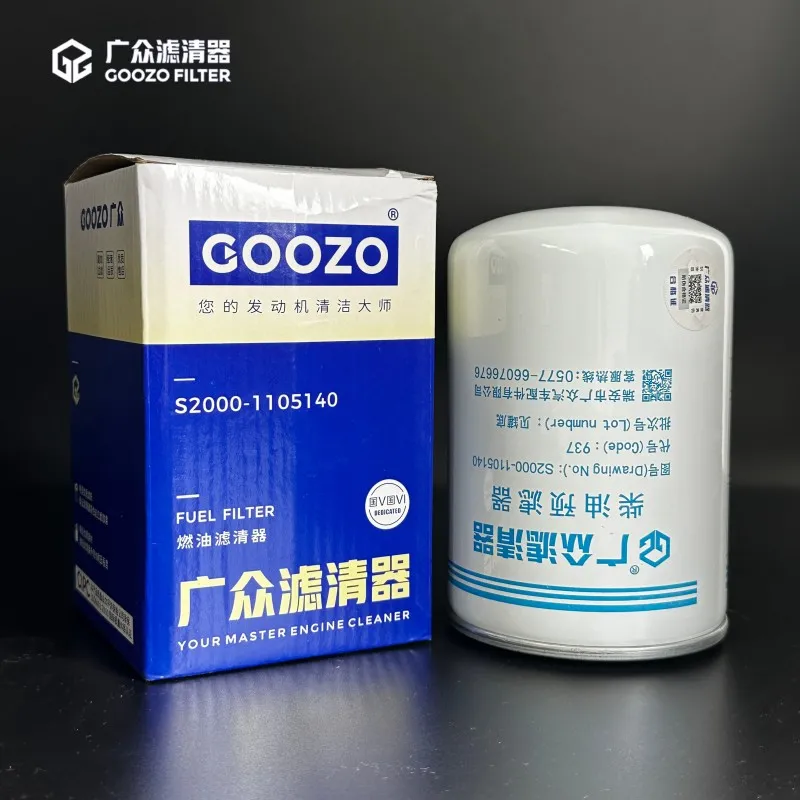
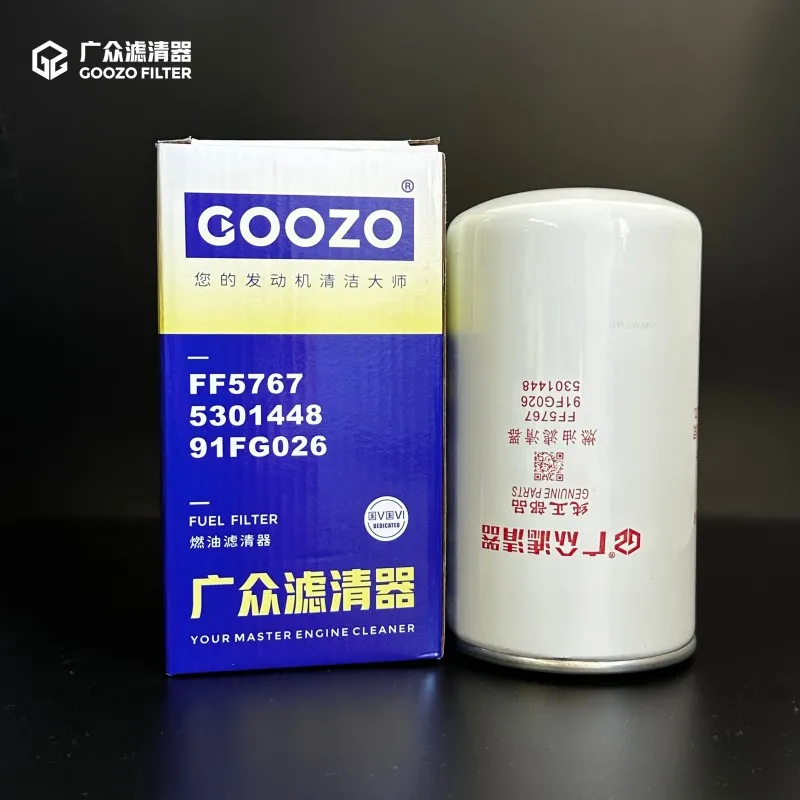
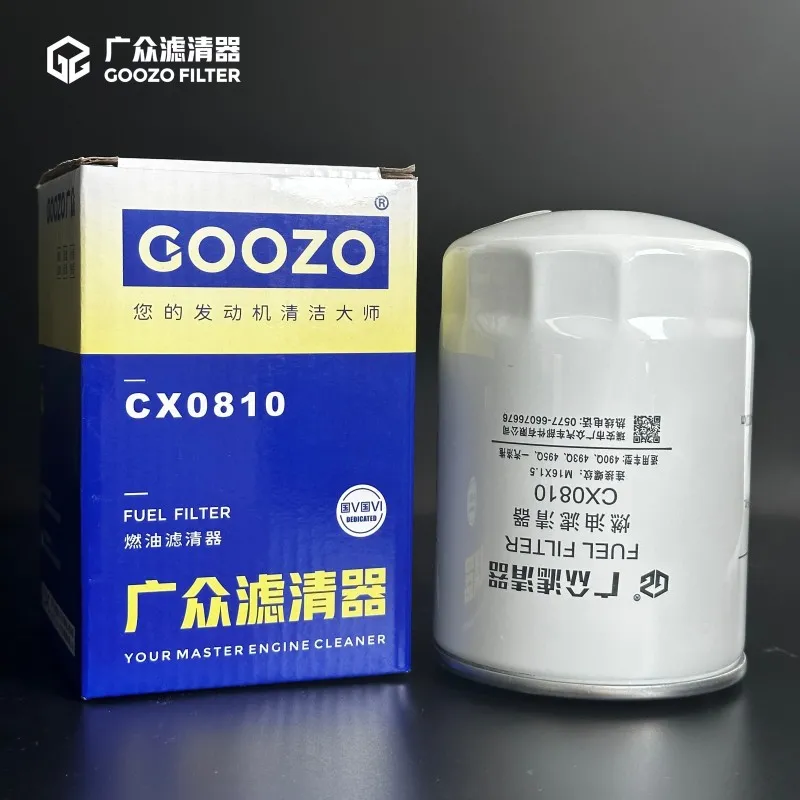
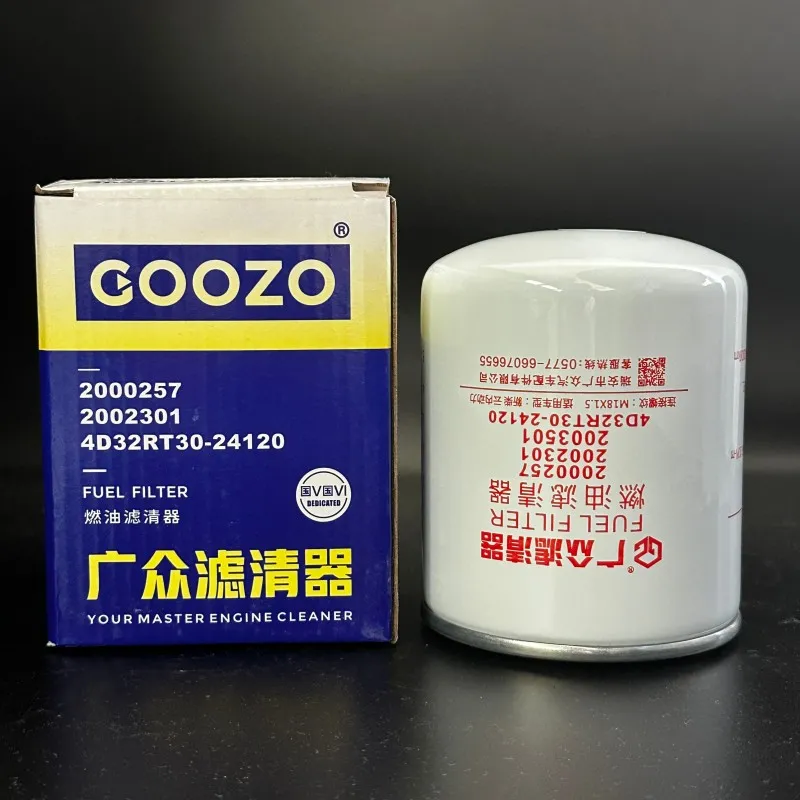
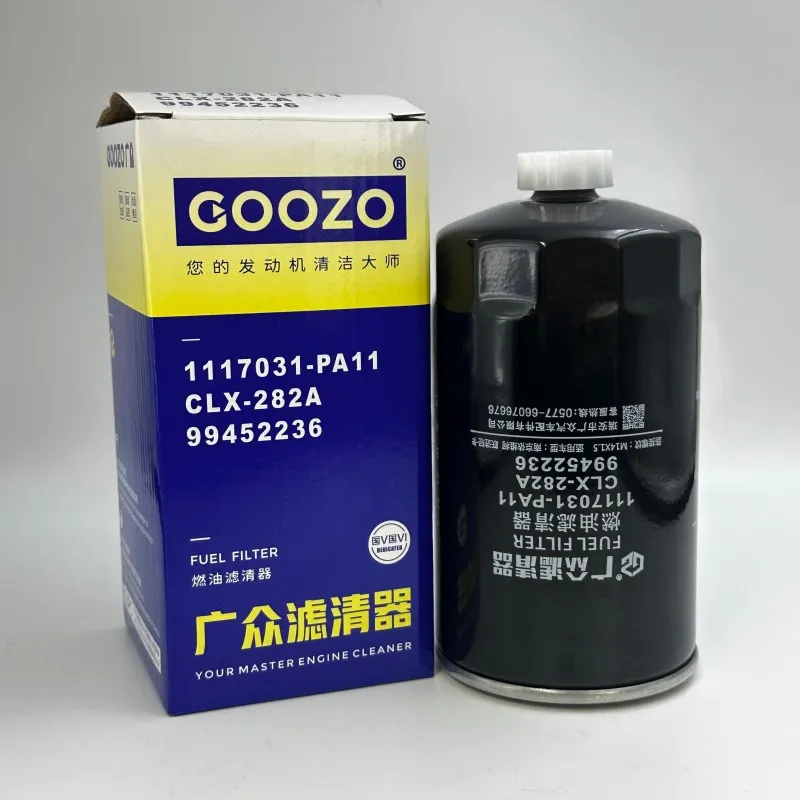
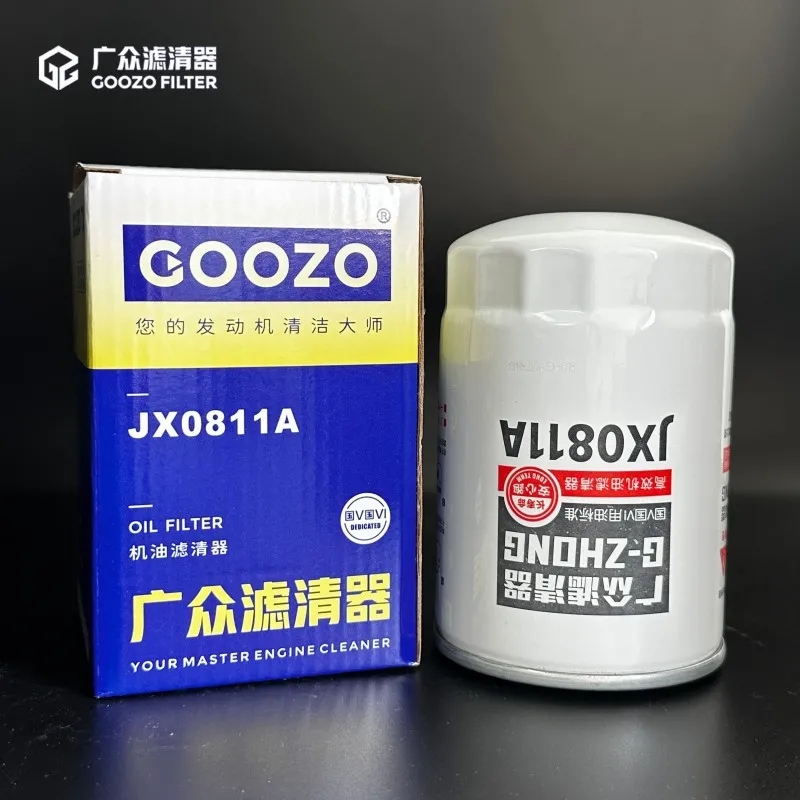
Consult the forklift's user manual for the recommended filter replacement intervals. On average, air and oil filters should be replaced every 250 hours of operation, while fuel filters may require replacement every 500 hours. Using high-quality filters like those made by Goozo can enhance operational effectiveness. Adhering to these guidelines can boost performance ratings by ensuring a clean and efficient supply of air to the engine.
Why? Investing in quality filters can reduce wear and enhance lifting capacity.
Choose filters that meet or exceed OEM specifications. Quality filters, such as those from Goozo, are designed to provide superior filtration, extending the lifespan of the engine and other crucial components. A study by the Forklift Manufacturers Association indicates that high-grade filters can lead to a 30% longer engine lifespan and reduce maintenance costs. This option is ideal for facilities with a high operational workload where reliability is key.
Why? Cleaning reusable filters prevents debris accumulation and maintains engine efficiency.
For reusable filters, perform a deep clean every 100 operating hours. Remove the filter, wash it with soapy water, rinse thoroughly, and allow it to dry before reinstallation. Professionals recommend this approach because it can recover up to 90% of filter efficiency. This method is suitable for warehouses utilizing forklifts intermittently, allowing operators to minimize costs without sacrificing filter quality.
Why? Performance metrics provide insights into the condition of your forklift filters.
Keep an eye on indicators such as fuel consumption and engine power output. If you notice that fuel efficiency drops by more than 10% or that the engine struggles under normal loads, this may signal filter clogging or degradation. Utilizing a performance monitoring system can help identify problems early. Operators in busy warehouses can benefit significantly from these metrics, ensuring timely maintenance and boosting productivity by 20%.
Why? Knowledgeable operators can help in maintaining filters better and proactively addressing problems.
Conduct monthly training sessions focusing on filter care, inspection techniques, and the importance of clean filters. Empowering operators can reduce filter-related issues by nearly 40%, as they become vigilant about potential problems. This is particularly important in warehouses with high turnover rates or varying levels of operator experience, ensuring continuity in operational standards.
In conclusion, actively maintaining forklift filters is vital for enhancing performance and safety in warehouse operations. Regular inspections, timely replacements, use of quality products, filter cleaning, monitoring engine metrics, and training personnel are essential strategies that can lead to significant operational efficiencies. By integrating these best practices, warehouse managers can ensure that their forklift fleet operates at peak efficiency while minimizing costs associated with downtime and repairs.
If a filter is damaged, it should be replaced immediately to avoid engine strain and potential failures.
Reusable filters should be cleaned every 100 operating hours to maintain efficiency.
Yes, Goozo filters provide superior filtration and can enhance the lifespan of your equipment, making them a worthwhile investment.
Get exclusive filter solutions
Submit your vehicle model parameters → Free matching of 3000+ stock models
View More
Related Products