+86 177 9462 1813

+86 177 9462 1813
Products Search

News
Jul. 15, 2026
One of the pressing challenges faced by fleet managers is the efficient maintenance of Fuel-Water Separators. Neglecting these crucial components can lead to performance issues, increased operational costs, and potential engine damage. Understanding how to properly maintain fuel-water separators will not only enhance fuel efficiency but also prolong the lifespan of fleet vehicles. In this article, we will explore actionable tips that can greatly benefit fleet operations.
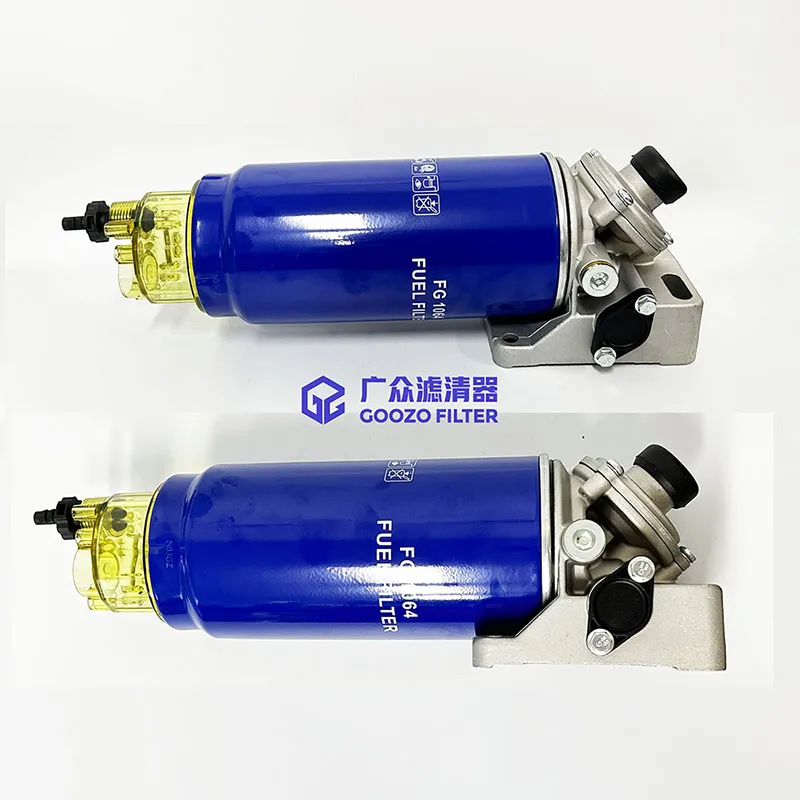
Fuel-water separators are vital components in fleet vehicles designed to filter out water and contaminants from diesel fuel. According to a report by the American Petroleum Institute (API), contaminated fuel can lead to engine wear and costly repair expenses, costing fleet operators an average of up to 10% in additional maintenance costs annually. This underscores the importance of maintaining these filters to ensure optimal performance and reliability.
Why: Consistent inspections can catch minor issues before they escalate, reducing vehicle downtime.
Operation Method: Schedule monthly inspections of the fuel-water separator. During these checks, look for signs of water accumulation or dirt build-up. Use a clean container to sample fuel and check for clarity, as water significantly reduces fuel performance.
Guidance: This technique is essential for fleet managers operating in areas with high humidity or frequent rainfall, as these conditions increase the risk of water contamination.
Why: A maintenance schedule ensures that no aspect of the system is overlooked, optimizing performance.
Operation Method: Create a detailed maintenance calendar that includes timely filter changes, in accordance with the manufacturer's recommendations, typically every 2,500 to 5,000 miles, or as specified in the vehicle's service manual.
Guidance: This strategy is beneficial for fleet operators with large vehicle counts as it standardizes maintenance efforts across multiple vehicles.
Why: Cleaner fuel significantly reduces the likelihood of water and sediment contamination.
Operation Method: Partner with reputable fuel suppliers and consider using fuel additives designed to improve water separation and enhance fuel quality. Products like Goozo’s fuel treatments can help in breaking down sediment and preventing water accumulation.
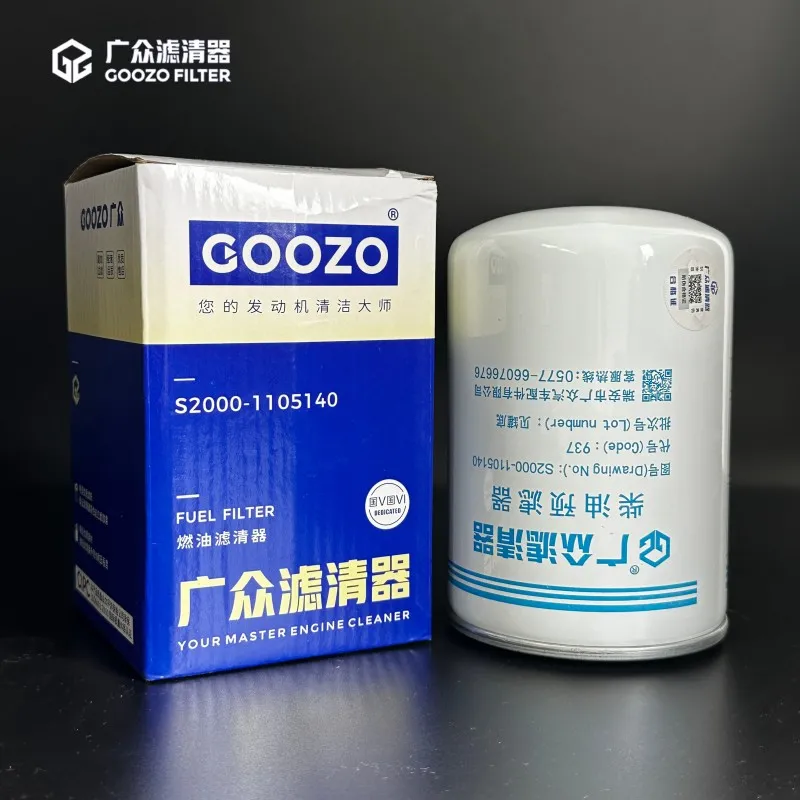
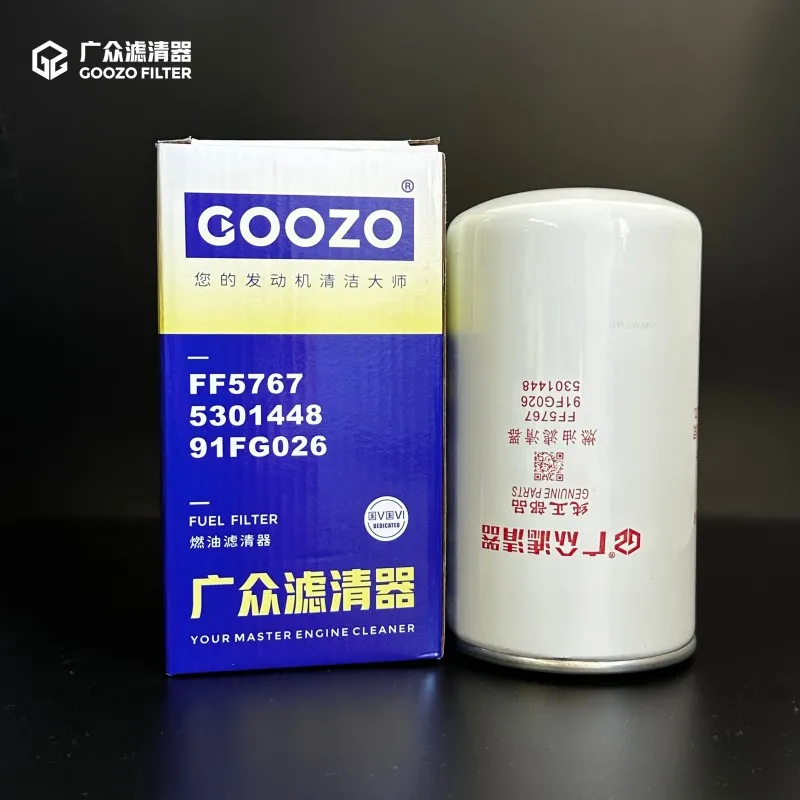
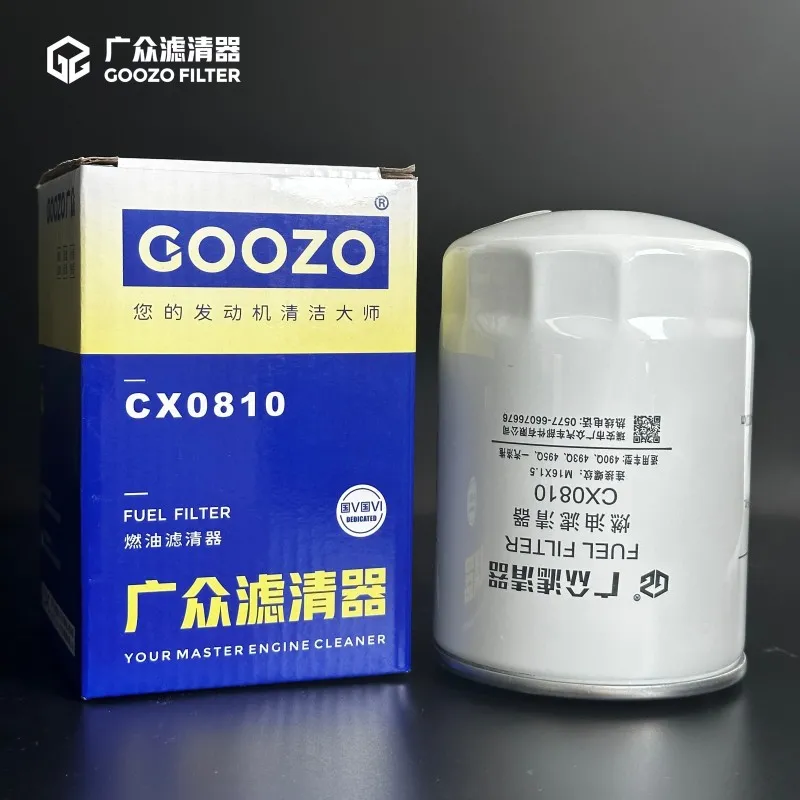
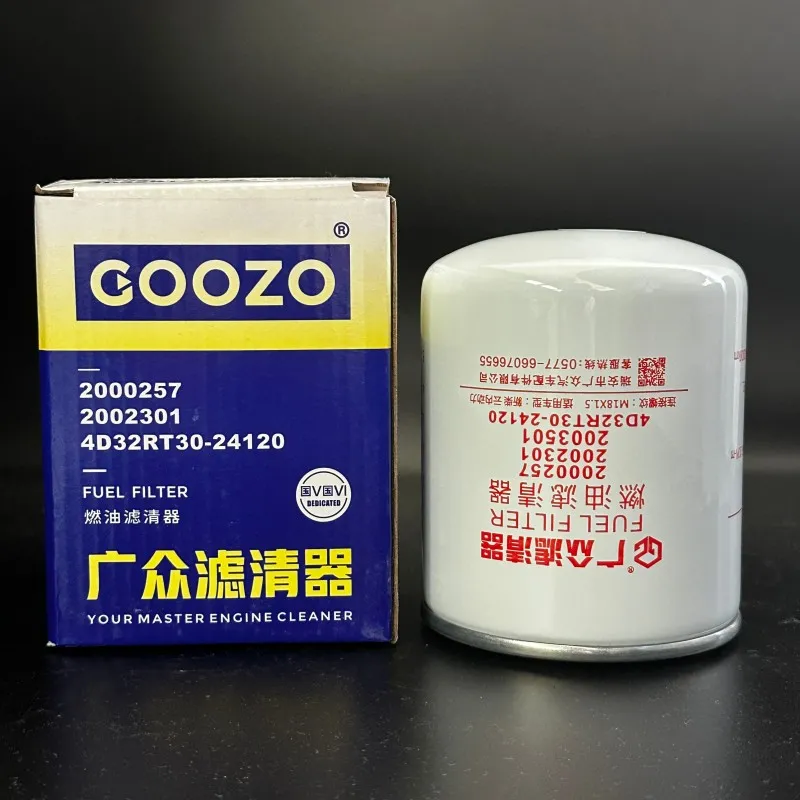
Guidance: Installing high-quality separators from trusted brands such as Goozo can optimize filtration and performance, especially in harsh operational environments.
Why: Regularly draining accumulated water prevents it from mixing back into the fuel system.
Operation Method: Follow the manufacturer's instructions to manually drain the separator, typically through a valve located at the bottom. Depressurize the system before draining to ensure safety.
Guidance: This method is particularly effective for fleets operating in regions prone to water contamination.
Why: Educated staff are vital to maintaining equipment properly and promptly.
Operation Method: Conduct regular training sessions focusing on the importance of proper fuel management, how to monitor fuel quality, and the effects of neglecting fuel-water separator maintenance.
Guidance: This practice is especially recommended for larger fleets where multiple personnel handle different vehicles.
Why: Documentation helps track performance and informs future maintenance decisions.
Operation Method: Maintain a digital or physical log of all maintenance activities related to each fuel-water separator including dates, mileage, actions taken, and any issues encountered.
Guidance: This is particularly beneficial for compliance with industry regulations and can enhance managerial oversight in fleet operations.
Maintaining fuel-water separators in fleet vehicles is crucial for ensuring optimal engine performance and avoiding costly repairs. Regular inspections, scheduled maintenance, using high-quality fuel, manual draining, staff training, and thorough documentation are effective strategies that can significantly enhance fleet reliability. Implementing these practices will lead to long-term benefits, reducing both downtime and repair costs.
Q1: How often should I check the fuel-water separator?
A1: It is advisable to inspect the fuel-water separator at least once a month.
Q2: What are the signs that my fuel-water separator needs replacement?
A2: Signs include frequent engine stalling, reduced fuel efficiency, and visible water accumulation in the separator.
Q3: Can using additives improve the performance of the fuel-water separator?
A3: Yes, high-quality fuel additives can enhance the separator's ability to filter water and contaminants, improving overall fuel efficiency.
Get exclusive filter solutions
Submit your vehicle model parameters → Free matching of 3000+ stock models
View More
Related Products