+86 177 9462 1813

+86 177 9462 1813
Products Search

News
Apr. 15, 2026
In industrial equipment, efficiency and durability are paramount. OEM hydraulic filters have emerged as a crucial component in maintaining the performance and longevity of hydraulic systems across various industries. With their precision engineering and functionality, they address significant challenges faced by operators in sectors like manufacturing, construction, and automotive. Inefficient filtration can lead to machinery breakdowns, resulting in an average downtime cost of $260,000 per hour according to a report by The Aberdeen Group. This article will delve deeper into the design requirements of OEM hydraulic filters and their implications for industrial equipment, helping you understand how to choose the right filter for your application.

OEM hydraulic filters, or Original Equipment Manufacturer hydraulic filters, are specifically designed components that fit seamlessly with a given hydraulic system. These filters are engineered to remove contaminants from hydraulic fluids to ensure optimal performance. Industry-standard terms associated with hydraulic filters include “filter media,” which refers to the material used to capture dirt and debris, and “micron rating,” indicating the filtering capability, measured in microns, that defines the size of particles the filter can effectively trap.
OEM hydraulic filters are used across a multitude of industries:
The importance of OEM hydraulic filters lies in their ability to significantly enhance system reliability and efficiency. For instance, filters designed for a specific hydraulic system can improve oil flow rates by up to 20%, which translates directly into increased performance and lower fuel consumption. Additionally, studies indicate that using high-quality OEM filters can reduce equipment wear by 30%, thus extending the lifetime of hydraulic components, decreasing replacement costs, and minimizing downtime.
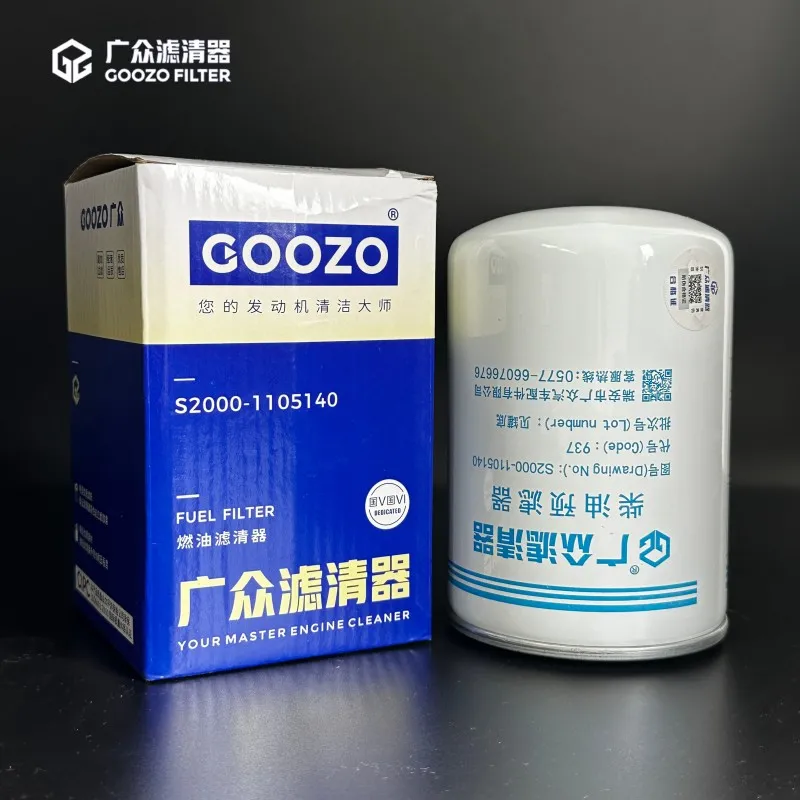
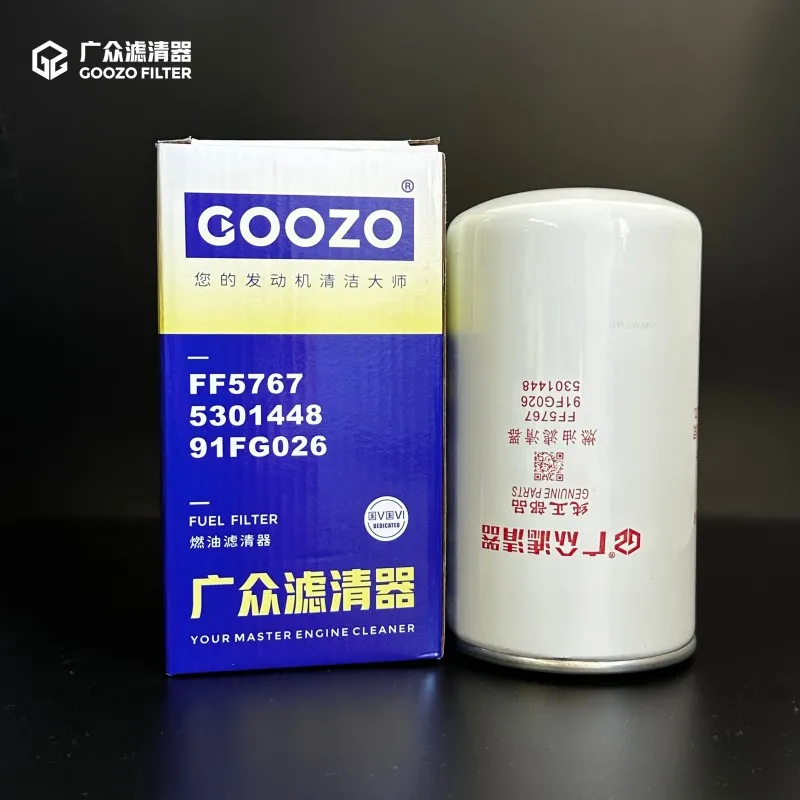
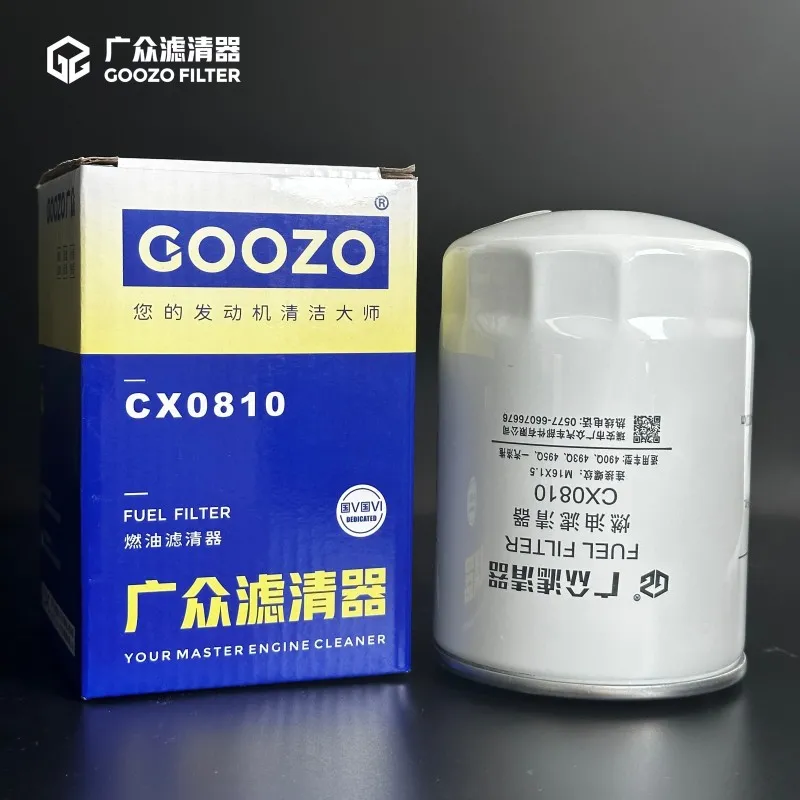
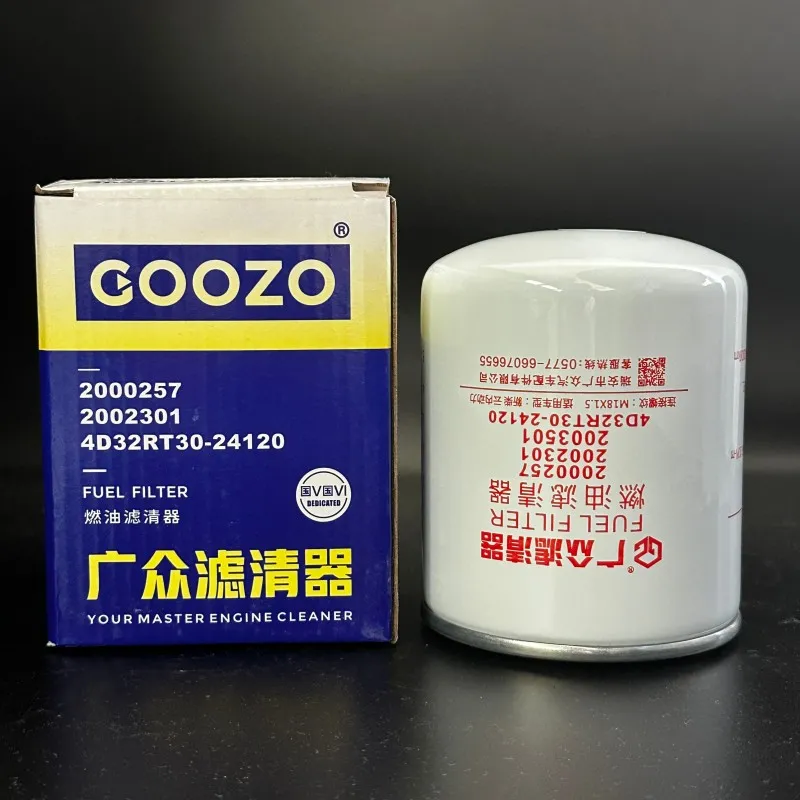
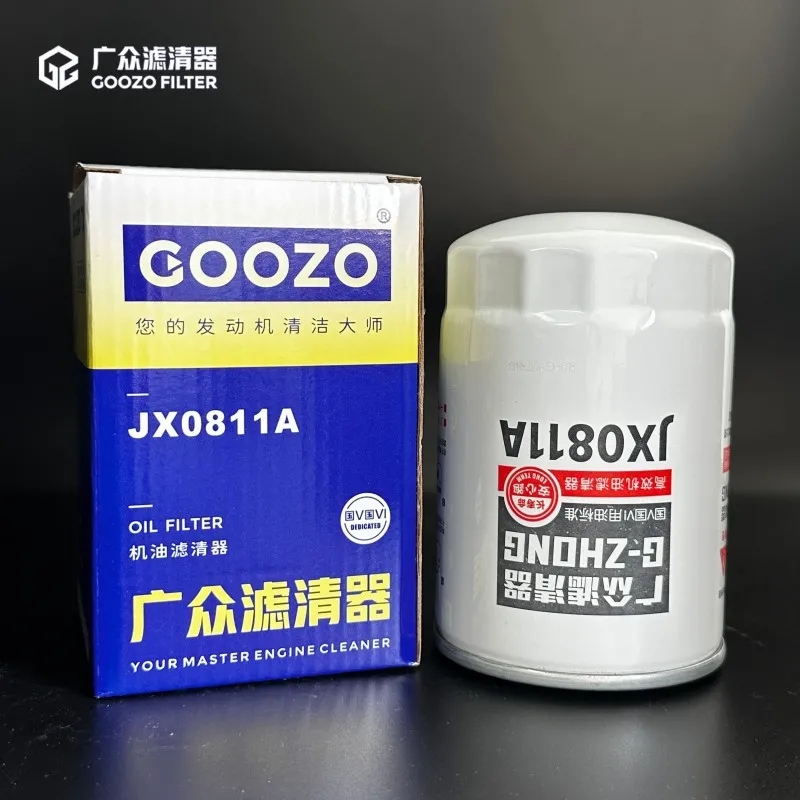
To ensure you choose the right OEM hydraulic filter for your needs, consult the user guide provided by the manufacturer. Familiarize yourself with specifications, installation requirements, and maintenance tips. If you're considering a trial or further information, we recommend exploring the offerings from reputable brands such as Goozo, known for their quality and reliability in hydraulic solutions.
What is the difference between OEM and aftermarket hydraulic filters? OEM filters are designed specifically for the original machinery, while aftermarket filters are often generalized and may not meet the same standards.
How often should hydraulic filters be replaced? It is recommended to inspect and potentially replace hydraulic filters every 1,000 operating hours or as specified by the machine's manufacturer.
Can using the wrong hydraulic filter damage my equipment? Yes, using an incompatible filter can lead to inadequate filtration, resulting in fluid contamination and potential damage to hydraulic components.
Where can I purchase high-quality OEM hydraulic filters? High-quality OEM hydraulic filters can be found at industrial supply stores, manufacturer websites, and trusted online retailers.
In conclusion, understanding OEM hydraulic filters and their vital role in industrial equipment is essential for maintaining operational efficiency. Adopting the right filter can lead to measurable improvements in performance, safety, and cost management. For those interested in exploring these benefits firsthand, consider trying OEM filters from reputable brands like Goozo for enhanced results in your hydraulic applications.
Get exclusive filter solutions
Submit your vehicle model parameters → Free matching of 3000+ stock models
View More
Related Products