+86 177 9462 1813

+86 177 9462 1813
Products Search

News
Apr. 16, 2026
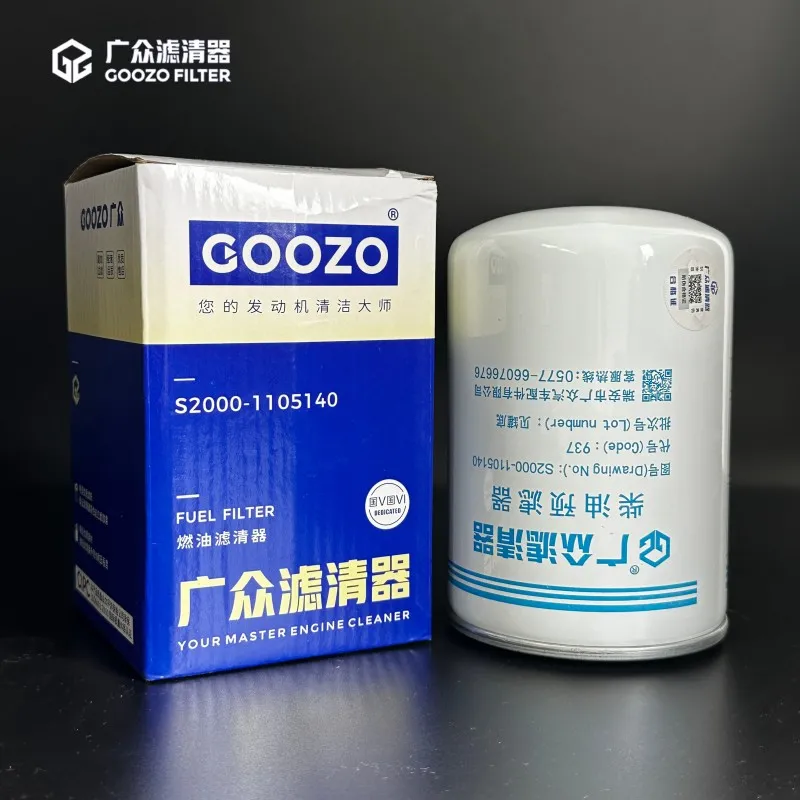
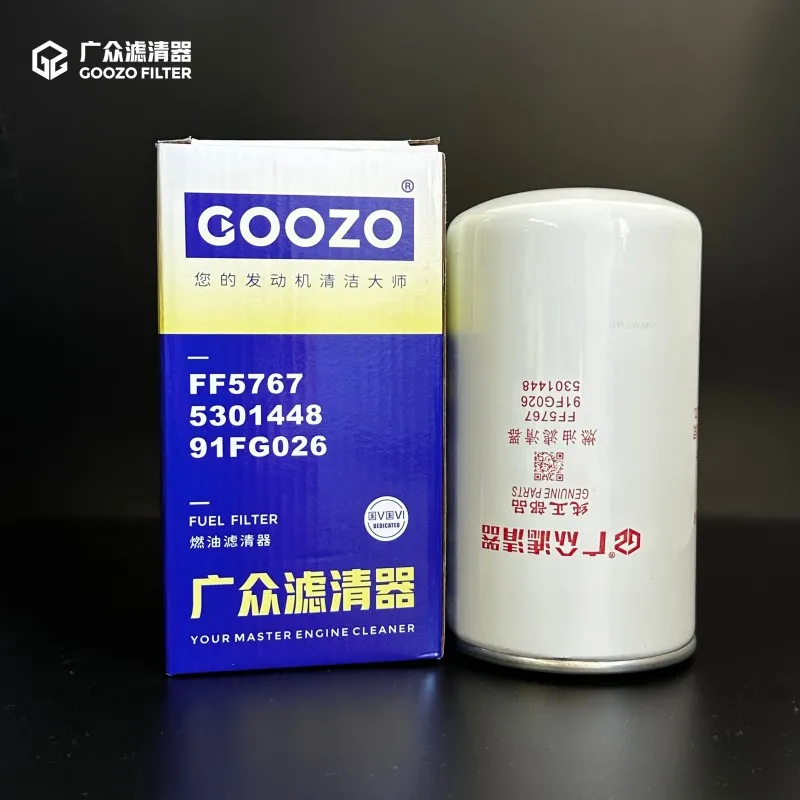
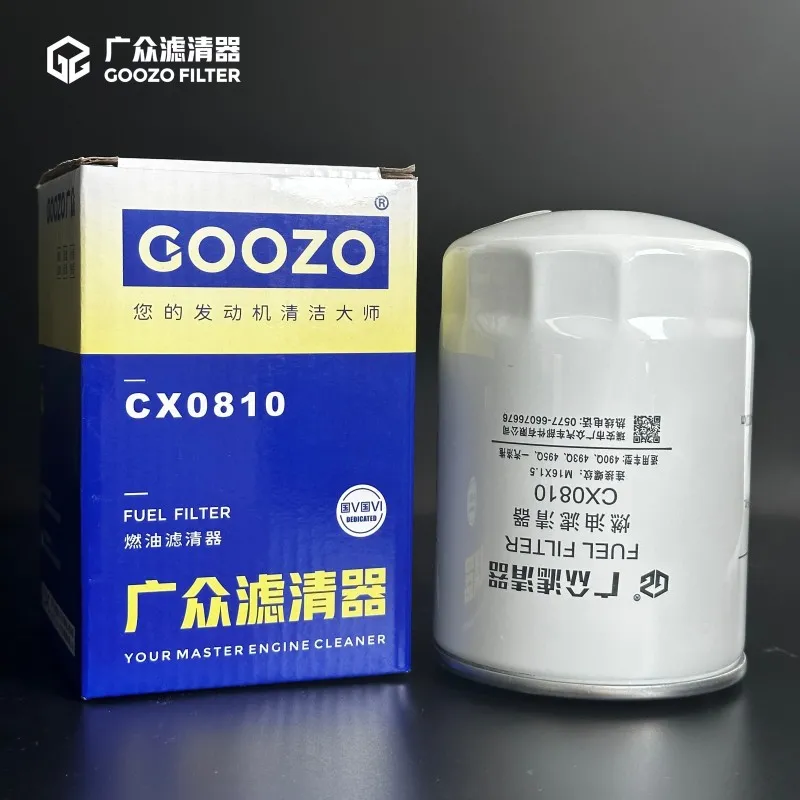
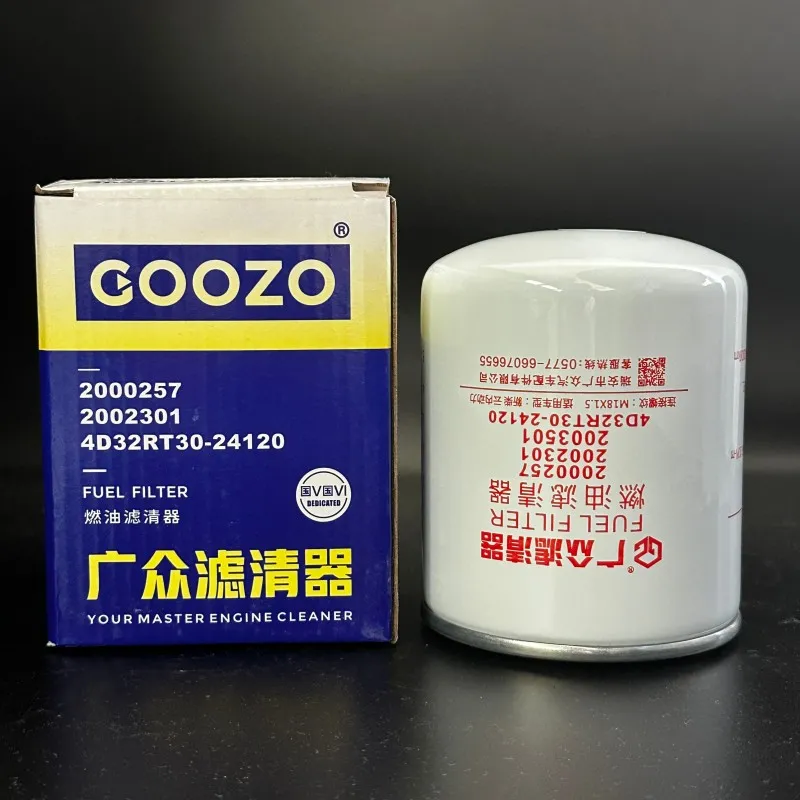
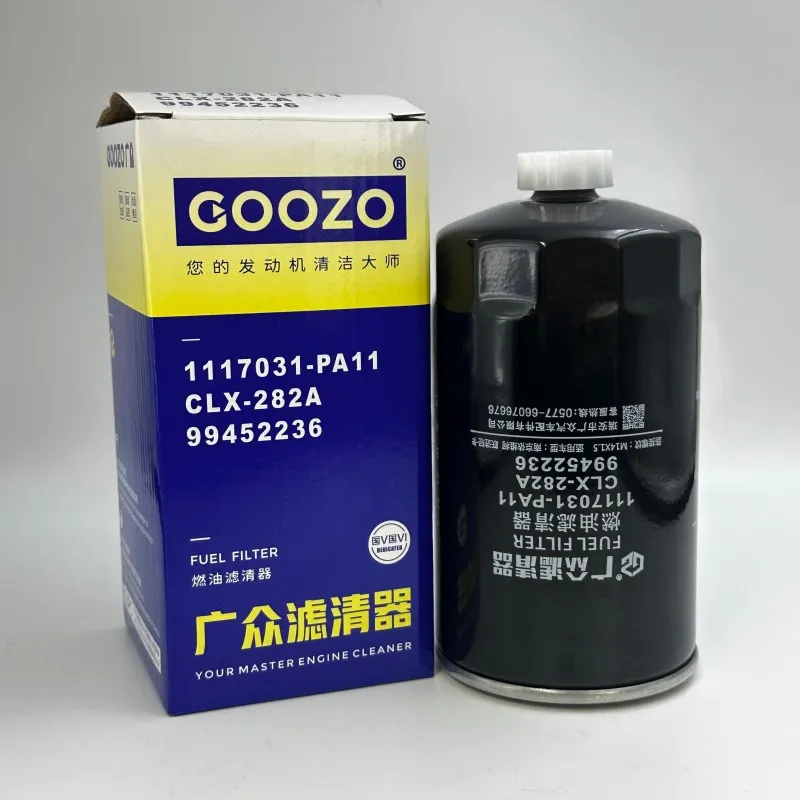
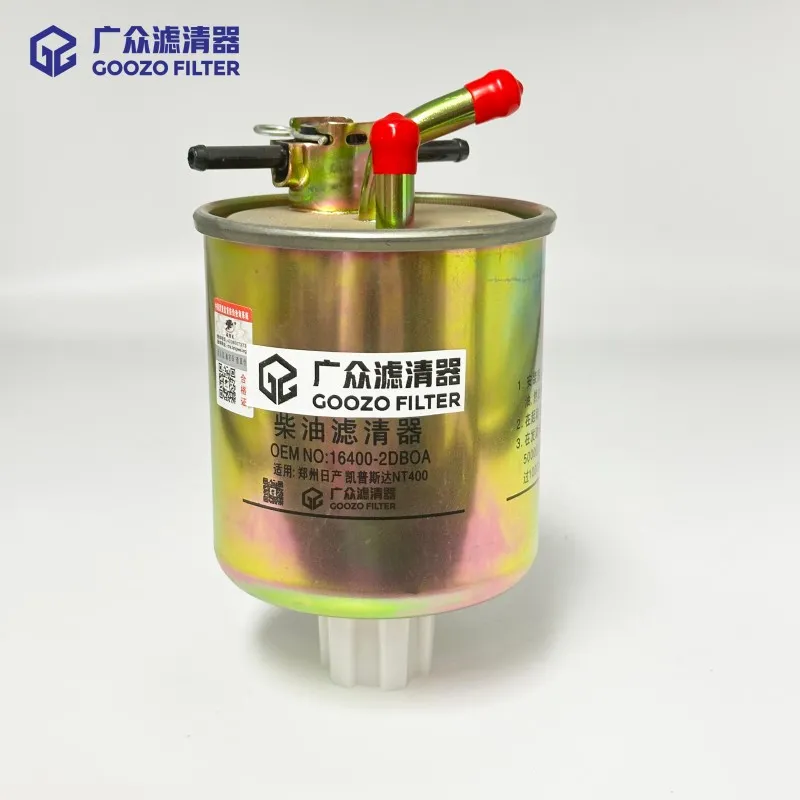
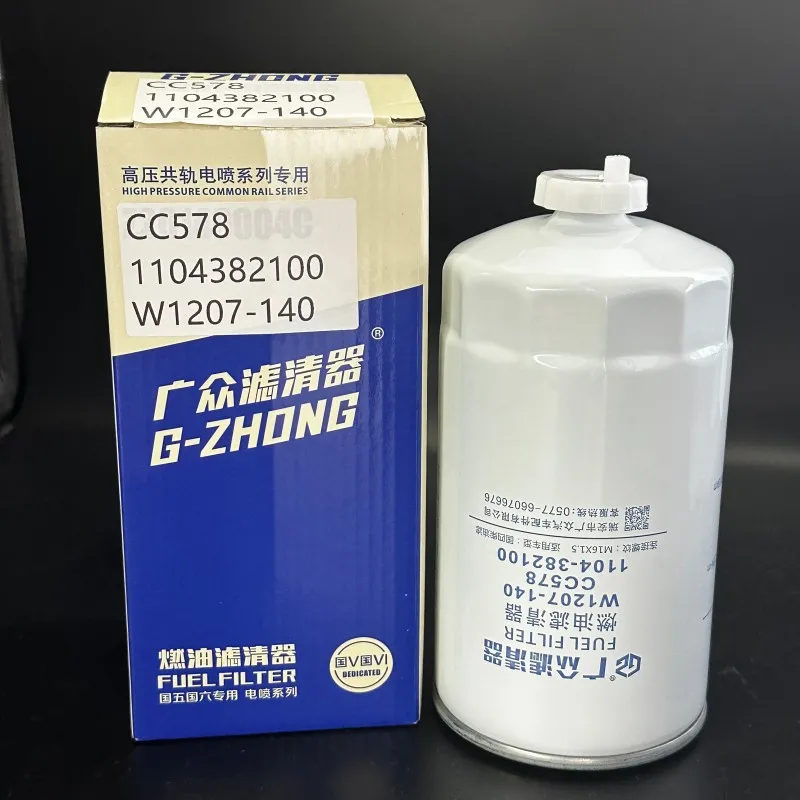
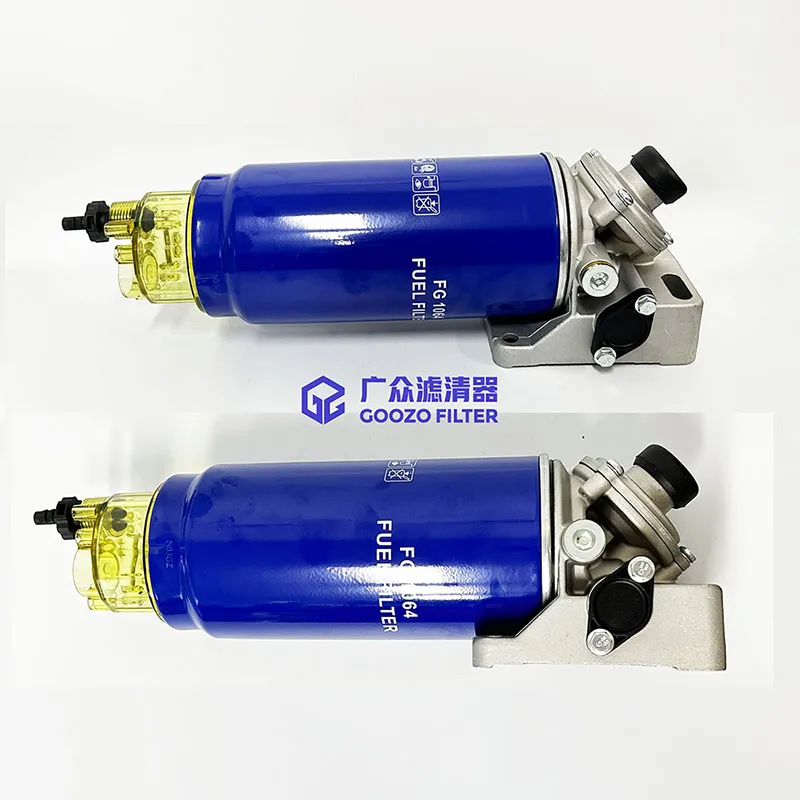
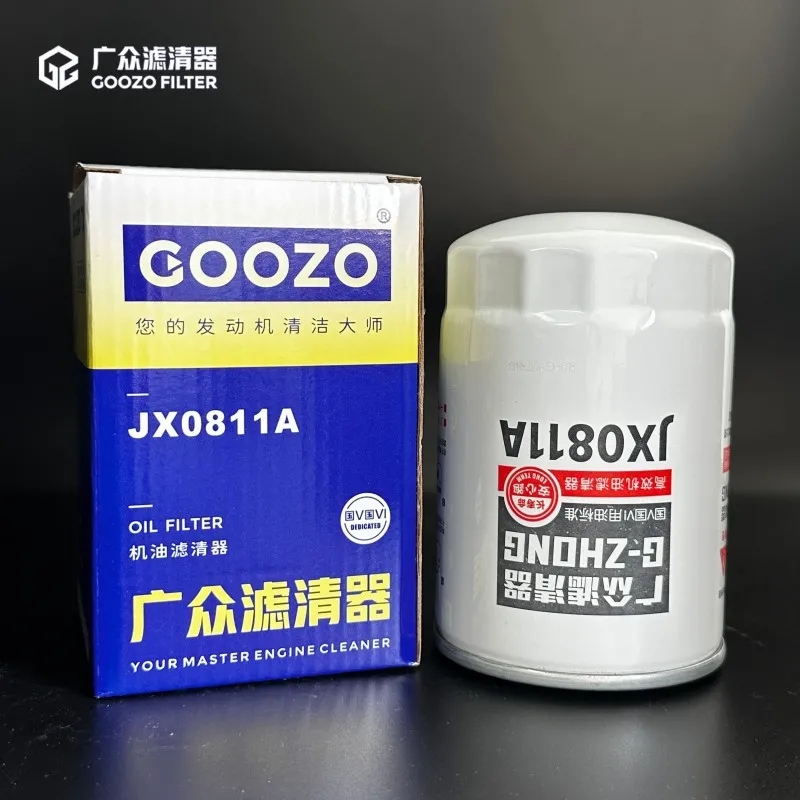
Oil filters play a crucial role in ensuring the longevity and efficiency of internal combustion engines. For automotive enthusiasts, mechanics, and manufacturers, the challenge often lies in identifying a high-quality oil filter that prevents engine wear, reduces maintenance costs, and enhances performance. Choosing subpar options can lead to significant engine damage, oil contamination, and increased operational downtime. In this guide, we will explore what makes a high-quality oil filter, the underlying technologies, and how you can make an informed decision in purchasing your next oil filter. We’ll focus on the offerings of reputable manufacturers, such as Goozo, that ensure optimal functionality.
Before diving into the details, it’s essential to understand some key terminologies related to oil filters:
Advanced oil filters utilize synthetic media that improves filtering performance by being more durable and effective than traditional paper filters. Understanding these concepts lays the groundwork for selecting a quality oil filter that aligns with your vehicle’s needs.
Begin by investigating the manufacturing standards adhered to by potential manufacturers. Look for certifications such as ISO 9001, which indicates a commitment to quality management systems. Manufacturers like Goozo invest in certified processes, ensuring reliable products.
High-quality oil filters incorporate advanced materials like synthetic fibers that improve durability and efficiency. For instance, synthetic media can increase dirt-holding capacity by 40% compared to conventional cellulose filters.
The design significantly affects performance. A filter with a larger surface area can hold more contaminants, contributing to lower pressure drops and extended service life. Research filters that maintain low-pressure drops of less than 1 PSI while delivering optimal flow rates.
Always look for filters that have been tested by independent third parties. Studies showing real-world performance metrics can bolster confidence in performance claims. For instance, filters that showcase a 50% reduction in engine wear compared to competitors can be more desirable.
Satisfied customers often provide insight into the reliability and performance of oil filters. Only consider options that have feedback highlighting effectiveness in real-world applications over time.
Manufacturers that stand behind their products often provide extensive warranty periods, which can indicate confidence in durability and performance. A warranty exceeding 12 months is a good sign.
Q1: How often should I replace my oil filter?
A: It is generally recommended to replace oil filters every 5,000 to 7,500 miles, although specific engine types may have differing requirements.
Q2: Can I use any oil filter for my vehicle?
A: It’s crucial to choose oil filters that are compatible with your specific engine model to avoid potential damage or inefficiency.
Q3: What are the signs of a clogged oil filter?
A: Symptoms include decreased oil pressure, engine knocking, and increased engine temperature. Regular maintenance can help avoid these issues.
For those interested in advanced oil filtration technologies, explore articles on developments in nanofiber technology that enhance filter performance. Companies like Goozo are pioneering solutions using nanotechnology to achieve even higher filtration efficiencies and dirt-holding capacities.
Selecting a quality oil filter is paramount for engine performance and longevity. Brands like Goozo offer high-quality oil filters backed by tests and certifications ensuring optimal filtration performance. For assistance in choosing the right products and gaining access to professional advice, consider contacting Goozo directly to ensure the best choice for your engine.
Get exclusive filter solutions
Submit your vehicle model parameters → Free matching of 3000+ stock models
View More
Related Products