Products Search

News

Home / News / Spin-On Lube Oil Filter vs Cartridge Filter: Which One Is Better?
Spin-On Lube Oil Filter vs Cartridge Filter: Which One Is Better?

Spin-On Lube Oil Filter vs Cartridge Filter: Which One Is Better?

Apr. 21, 2026

Understanding Spin-On Lube Oil Filters

What is a Spin-On Lube Oil Filter?

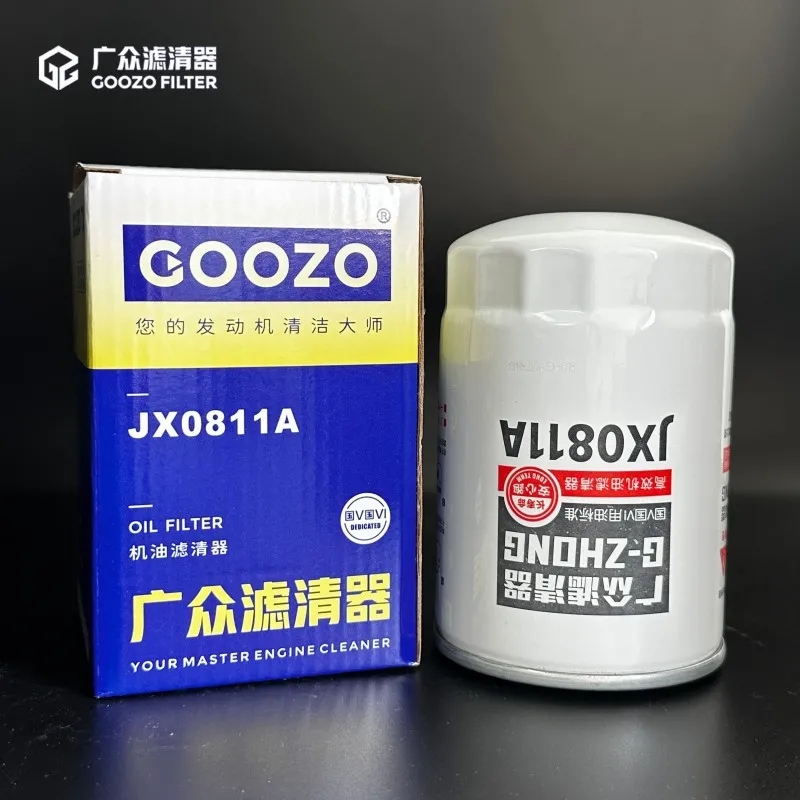
A Spin-On Lube Oil Filter is a self-contained unit that combines filtering media and housing in one piece, making it easy to replace. This design simplifies the oil change process, allowing for quicker service and maintenance.

Core Parameters of Spin-On Filters

  • Filter media: Typically composed of cellulose, synthetic fibers, or a combination.
  • Filtration efficiency: Commonly ranges from 95% to 98% at 20 microns.
  • Operating pressure: Can withstand up to 15 PSI of differential pressure.
  • Compatibility: Compatible with various oil types including synthetic and conventional oils.

Deep Dive into Cartridge Filters

What is a Cartridge Filter?

A Cartridge Filter is a separate filtering element that must be housed within a filter container. This type of filter usually requires a bit more maintenance and can be more challenging to replace than a spin-on filter.

Core Parameters of Cartridge Filters

  • Filter media: Often uses a mix of synthetic and cellulose materials for superior filtration.
  • Filtration efficiency: Generally exceeds 98% at 20 microns.
  • Operating pressure: Typically rated up to 30 PSI.
  • Reusability: Some cartridge filters can be cleaned and reused, potentially saving costs over time.

Comparative Advantages and Disadvantages

Advantages of Spin-On Filters

  • Easy to replace: Simplifies the oil change process.
  • Lower maintenance: No separate parts to manage.

Disadvantages of Spin-On Filters

  • Less eco-friendly: Generally not reusable and contributes to waste.
  • Performance can vary: Quality can differ between brands.

Advantages of Cartridge Filters

  • Higher filtration efficiency: Typically captures finer particles.
  • Environmental benefits: Some designs are reusable.

Disadvantages of Cartridge Filters

  • More complex replacement: Requires proper handling and installation.
  • Increased maintenance: Need for separate storage of filters.

Real-World Usage and Experience

Battery Life and Longevity

Spin-On Lube Oil Filters generally have a shorter lifespan compared to Cartridge Filters due to their complete design. Users may need to replace them more frequently, whereas Cartridge Filters can potentially last longer if maintained properly.

Stability and Performance

Cartridge Filters tend to perform better under extreme conditions, providing consistent oil filtration even in high-stress environments. Spin-On Filters may not offer the same level of performance over extended periods, particularly under heavy load.

Who Should Choose Which Filter?

Ideal Users for Spin-On Filters

Spin-On Lube Oil Filters are ideal for users seeking a quick, hassle-free oil change experience, such as average car owners or those with limited mechanical knowledge.

Ideal Users for Cartridge Filters

Cartridge Filters are better suited for enthusiasts or professional mechanics who appreciate the enhanced performance and are willing to invest more time for maintenance.

Conclusion: Making the Right Choice

Choosing between a Spin-On Lube Oil Filter and a Cartridge Filter largely depends on user preference and specific vehicle needs. At Goozo, we offer a range of filters to cater to both types, ensuring that every customer finds the right fit for their car’s engine.

Share:

Previous:

Spin-On Lube Oil Filters: Advantages and Market Applications

Next:

Replacement Filters for Fleetguard: What You Need to Know

Get exclusive filter solutions

Submit your vehicle model parameters → Free matching of 3000+ stock models

View More

Related Products