+86 177 9462 1813

+86 177 9462 1813
Products Search

News
Apr. 28, 2026
In the trucking industry, the Truck Filter Element plays a crucial role in ensuring optimal vehicle performance and longevity. Understanding how these elements work can lead to better maintenance practices, reduce downtime, and enhance operational efficiency. With the right Truck Filter Element, truck owners can face common pain points such as engine performance issues, increased fuel consumption, and costly repairs. This article delves into the materials, structure, and applications of Truck Filter Elements, providing essential insights for anyone involved in the trucking sector. By examining the significance of these elements, we aim to empower truck owners with the knowledge to make informed decisions when it comes to maintenance and upgrades.

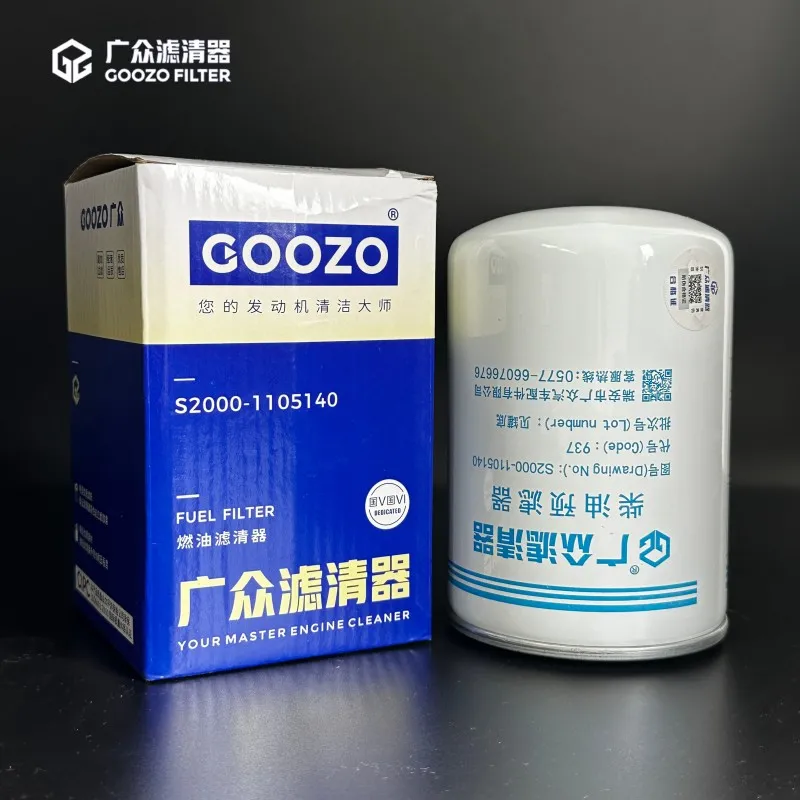
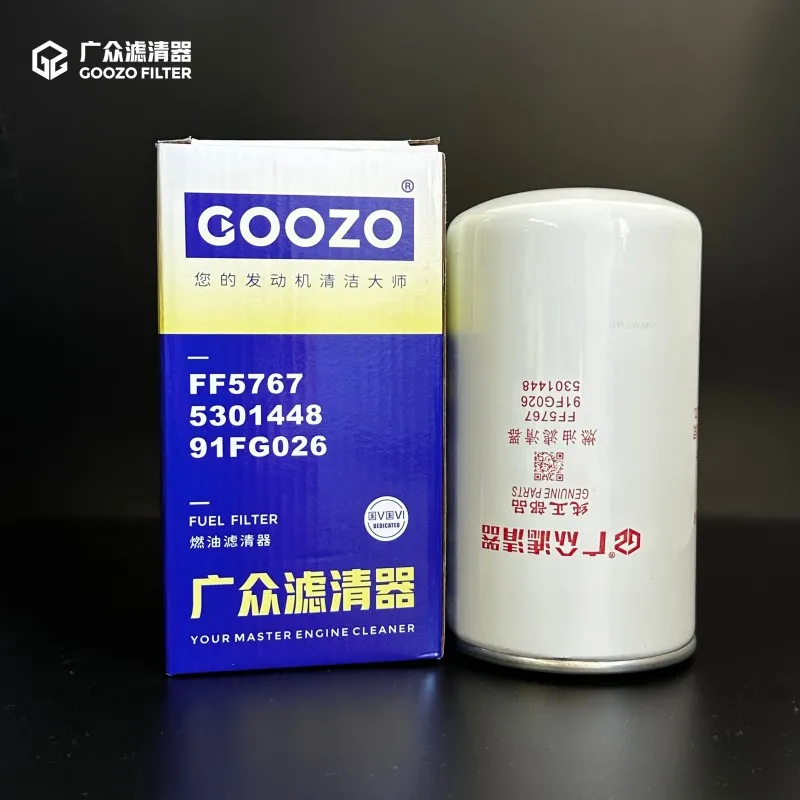
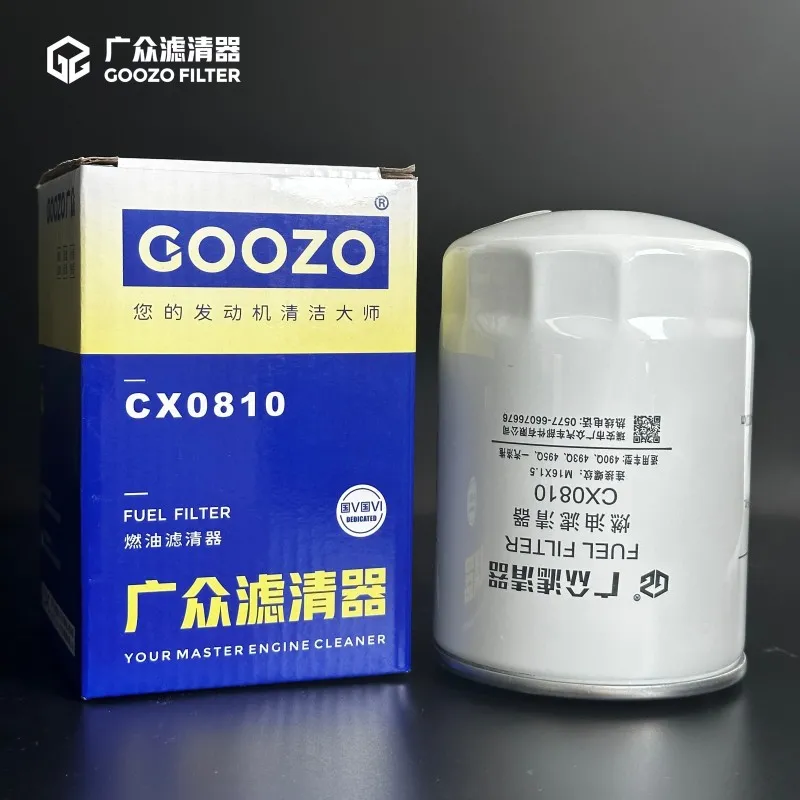
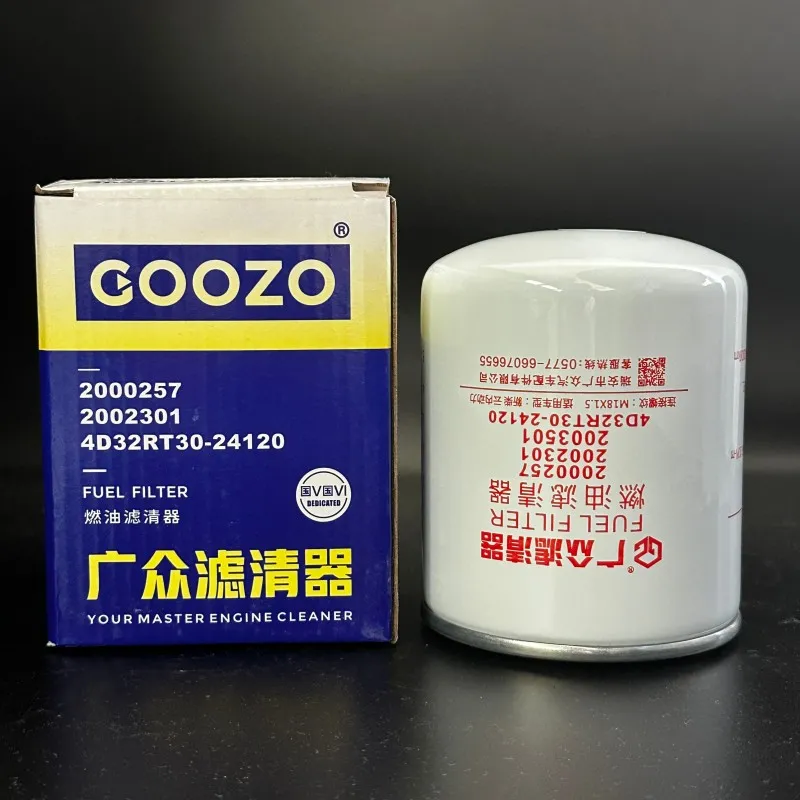
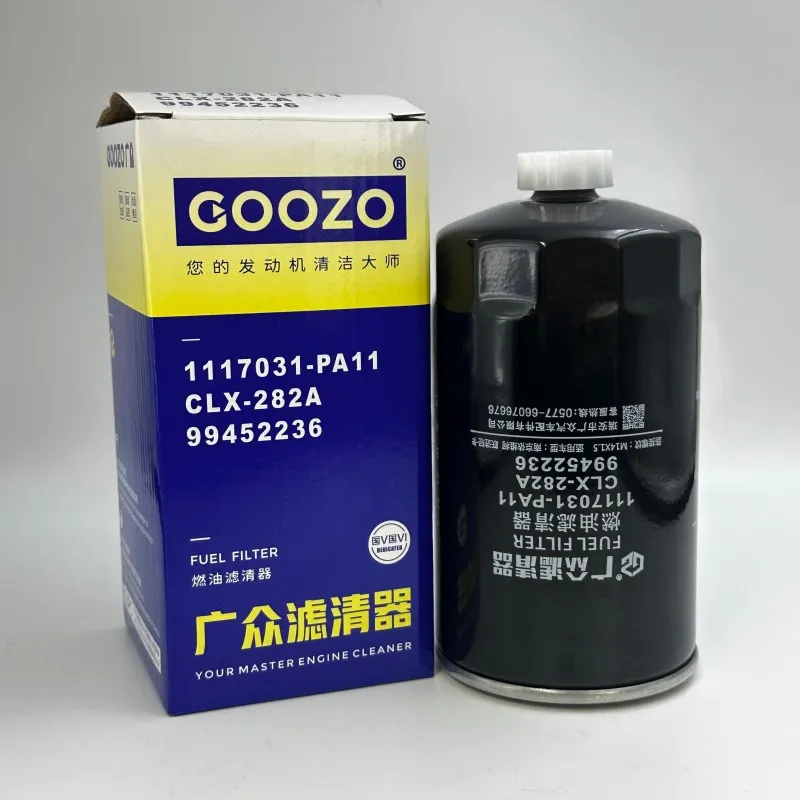
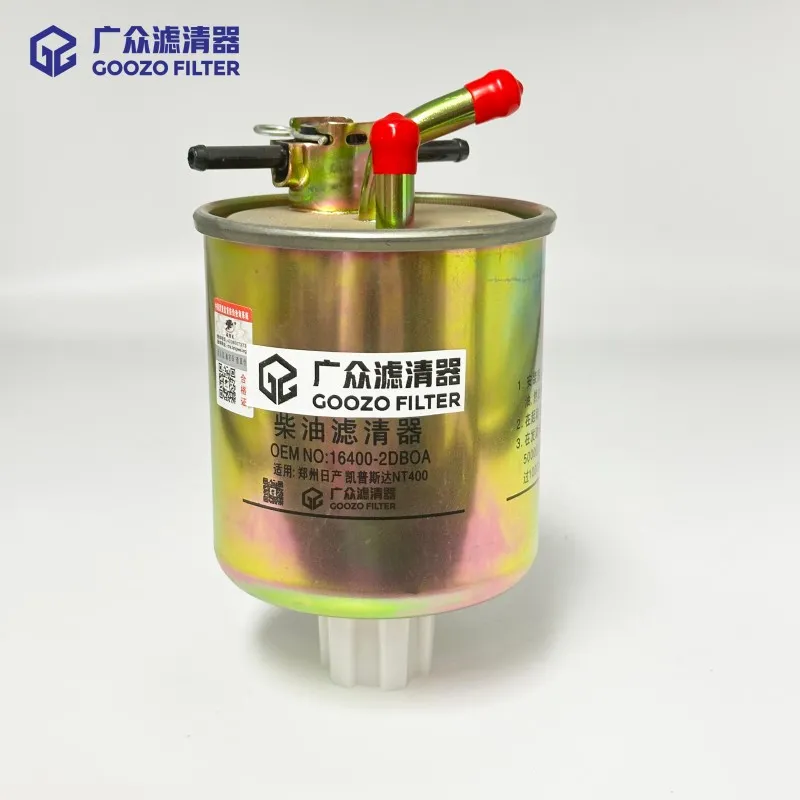
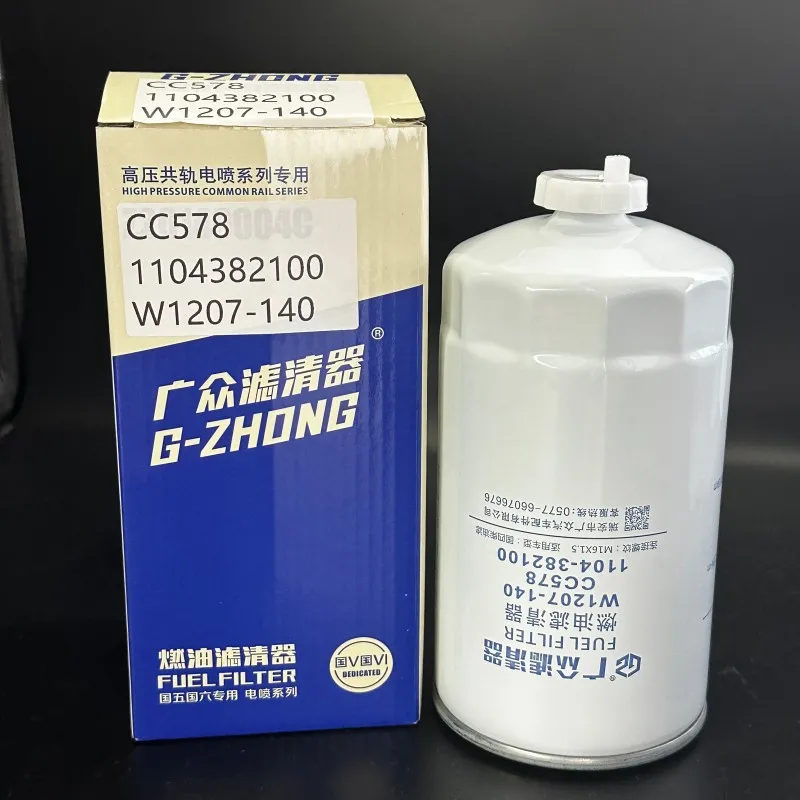
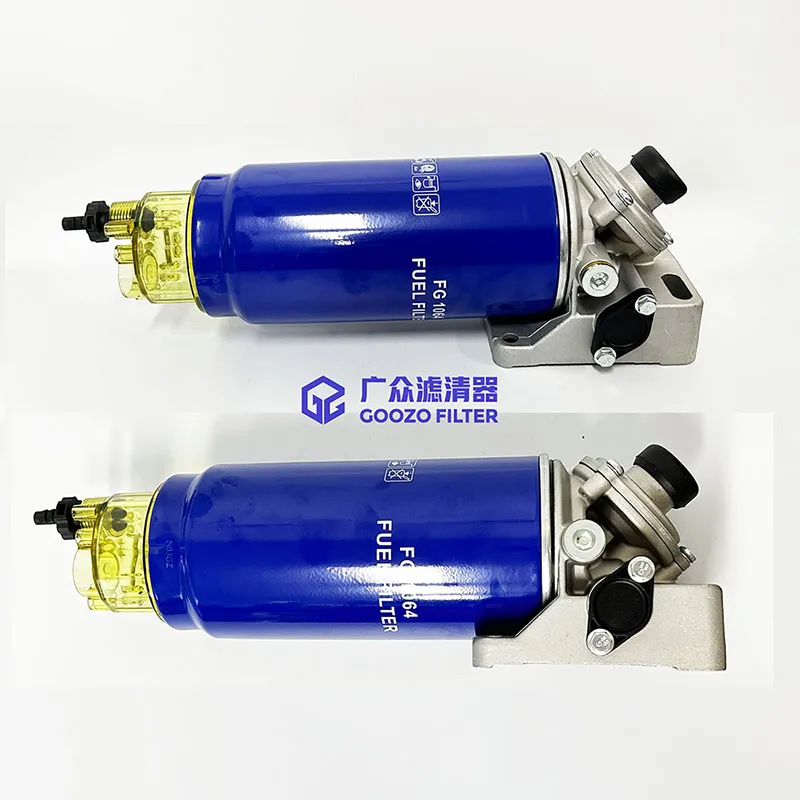
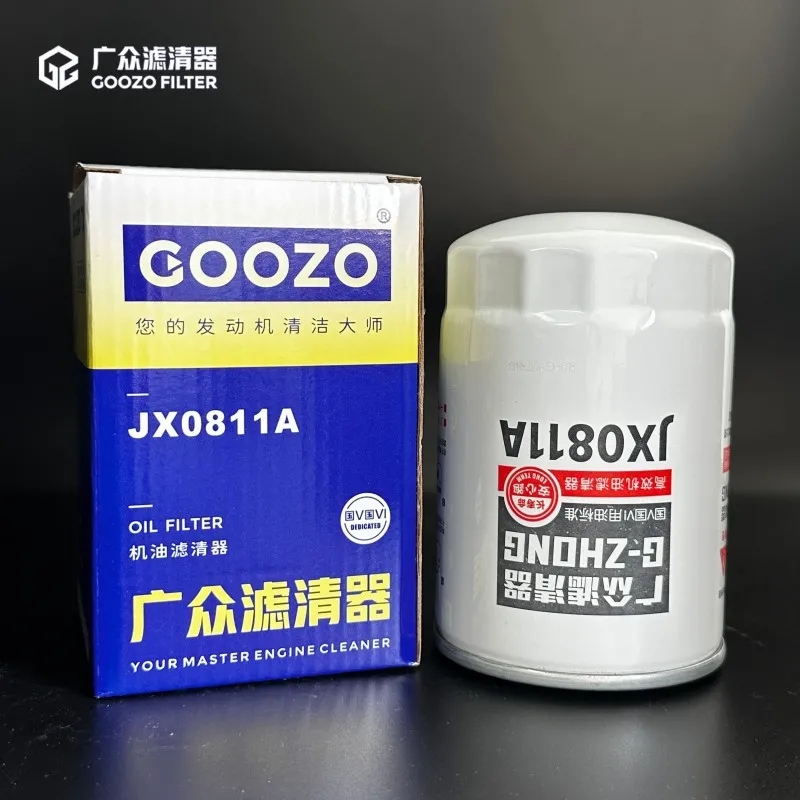
A Truck Filter Element is a component designed to remove contaminants from fluids and gases circulating within a truck's systems, including the engine, fuel, and air intake. These filters can range from air filters to fuel filters and oil filters, each serving a specific function to maintain vehicle performance.
Industry Terms:
Truck Filter Elements are applied in various fields, including:
Truck Filter Elements are vital for multiple reasons:
Enhanced Engine Protection: Filters prevent harmful contaminants from entering the engine, significantly decreasing wear and tear, leading to measurable longevity. A study from PEAK Commercial & Industrial found that using high-quality filter elements reduced engine failure rates by 25%.
Improved Fuel Efficiency: A clean engine runs smoother, directly affecting fuel consumption. According to a report from the U.S. Department of Energy, effective filtration can improve fuel economy by up to 10%.
Cost Savings: Regular maintenance, including replacing filter elements, can save up to $600 annually for fleet operators by lowering repair bills and minimizing downtime.
To maximize the benefits gained from Truck Filter Elements, it is recommended to read the user guides provided by manufacturers, such as Goozo, which offers detailed information on replacement schedules and best practices for use. Regular checks and replacements of filter elements can significantly improve truck performance.
Q1: How often should I replace my Truck Filter Elements?
A1: It generally depends on the type of filter and usage conditions. However, as a rule of thumb, it is advisable to check filters every 5,000 to 10,000 miles or based on manufacturer recommendations.
Q2: Can I use aftermarket Truck Filter Elements?
A2: Yes, aftermarket filters can be used, but ensure they meet OEM specifications to maintain engine protection and performance.
Q3: What signs indicate a clogged filter?
A3: Common signs include reduced engine performance, unusual noises, increased fuel consumption, and a drop in power, especially under load.
For further understanding or to trial high-quality Truck Filter Elements, including those offered by Goozo, consider visiting their website or contacting their customer service for personalized advice. By investing in the right filter elements, truck owners can ensure the longevity and reliability of their vehicles.
Get exclusive filter solutions
Submit your vehicle model parameters → Free matching of 3000+ stock models
View More
Related Products