Guide to Car Fuel Filter Replacement and Maintenance
The car fuel filter is an essential component that plays a critical role in enabling your vehicle’s engine to run efficiently. It keeps the fuel clean by trapping particles and contaminants, ensuring that only pure fuel reaches the engine. Regular maintenance and timely replacement of the fuel filter are crucial for optimal engine performance and can prolong the lifespan of your vehicle. This guide covers everything you need to know about the car fuel filter, including the importance of replacement, step-by-step maintenance procedures, and valuable tips for DIY enthusiasts.
Why Is the Fuel Filter Important?
- Protects the engine by filtering out impurities and particles.
- Prevents fuel injector clogging and protects the fuel pump.
- Contributes to better fuel economy and engine performance.
- Reduces emissions by ensuring optimal combustion.
Signs That Indicate a Fuel Filter Replacement is Necessary
- Engine Performance Issues: Stalling, intermittent power, or difficulty starting.
- Unusual Noises: A whining or sputtering sound from the fuel system.
- Fuel Efficiency Drops: Noticeable decrease in miles per gallon.
- Warning Lights: Check Engine light illuminated on the dashboard.
When to Replace the Fuel Filter?
- Follow the manufacturer's recommendations outlined in the owner’s manual.
- Typically every 20,000 to 30,000 miles for most vehicles.
- Consider replacing it during major services, such as a timing belt replacement.
How to Replace the Car Fuel Filter: Step-by-Step Guide
- Gather Necessary Tools:
- New fuel filter
- Wrenches and screwdrivers
- Your vehicle’s owner manual
- Safety gloves and goggles
- Locate the Fuel Filter:
- Refer to the owner’s manual to identify the fuel filter’s location.
- Common locations include under the vehicle, near the fuel tank, or within the engine compartment.
- Relieve Fuel System Pressure:
- Disconnect the fuel pump fuse and run the engine until it stalls.
- Turn off the ignition and wait a few minutes.
- Remove the Old Fuel Filter:
- Use appropriate tools to disconnect the fuel lines from the filter.
- Remove any mounting brackets or screws holding the filter in place.
- Install the New Fuel Filter:
- Ensure that the filter is oriented correctly (check flow direction arrow).
- Reconnect the fuel lines and secure the filter with mounting hardware.
- Check for Leaks:
- Reconnect the fuel pump fuse and turn the ignition to the “on” position to pressurize the system.
- Inspect for any signs of leaks around the fuel filter connections.
Maintenance Tips for Prolonging Fuel Filter Life
- Use high-quality fuel to minimize contamination.
- Regularly check and replace the fuel filter as per guidance.
- Consider cleaning your fuel system to avoid buildups that can clog the filter.
- Inspect the vehicle’s fuel lines and connections for wear or damage.
DIY vs. Professional Fuel Filter Replacement
- Benefits of DIY: Saves money and gives you a sense of accomplishment.
- When to Hire a Mechanic: If you're uncomfortable working on cars or if the filter is hard to access.
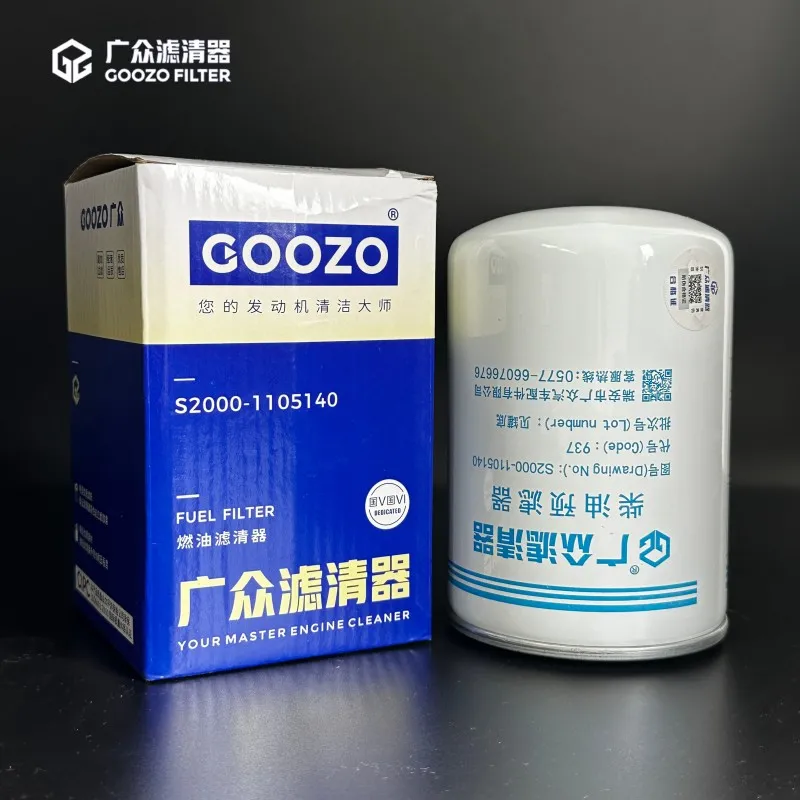
Using Fuel Filter Products: A Quick Look
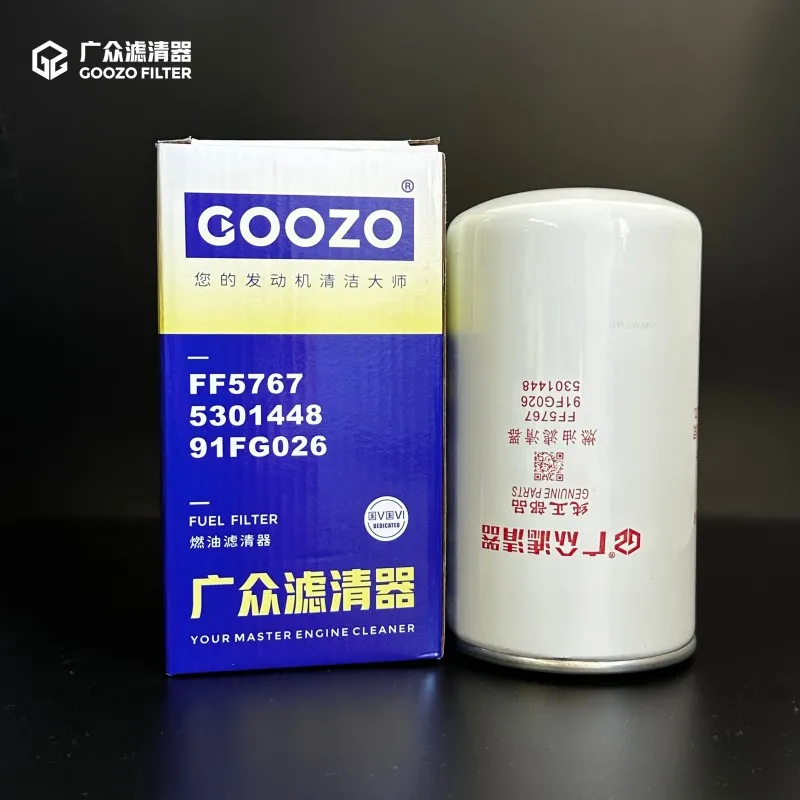
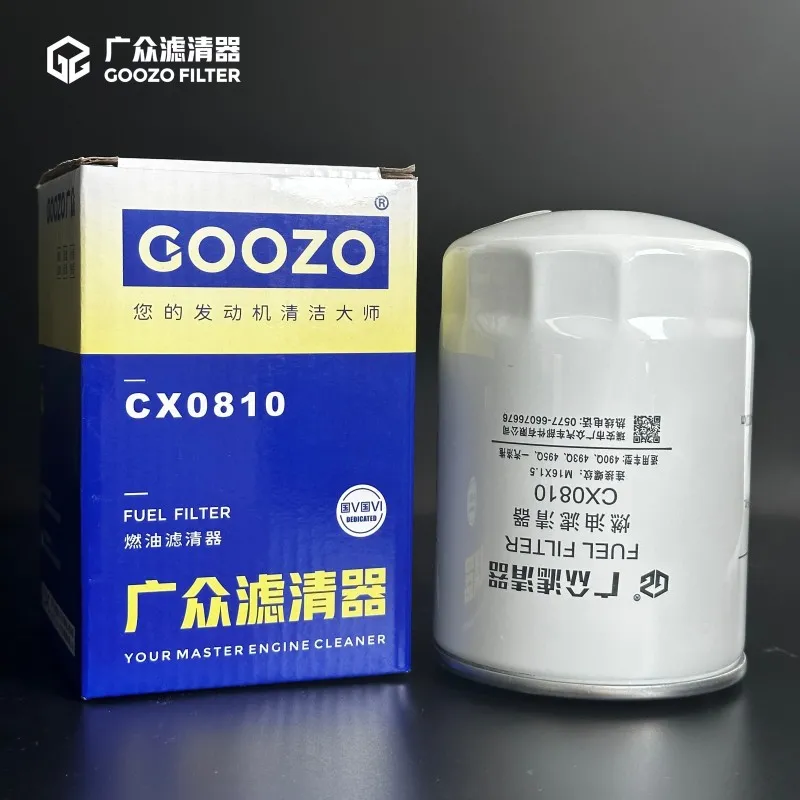
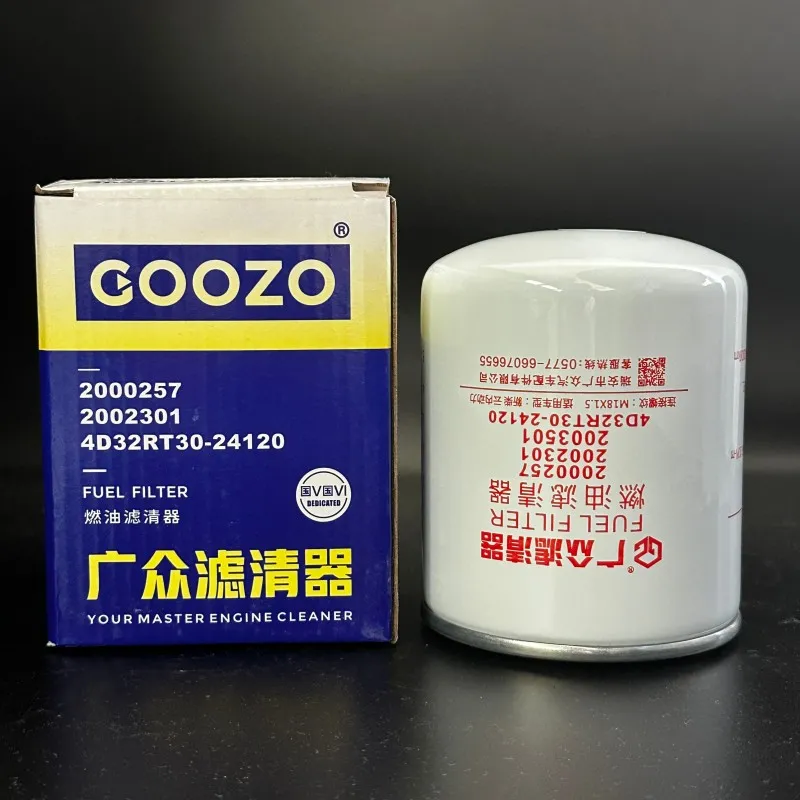
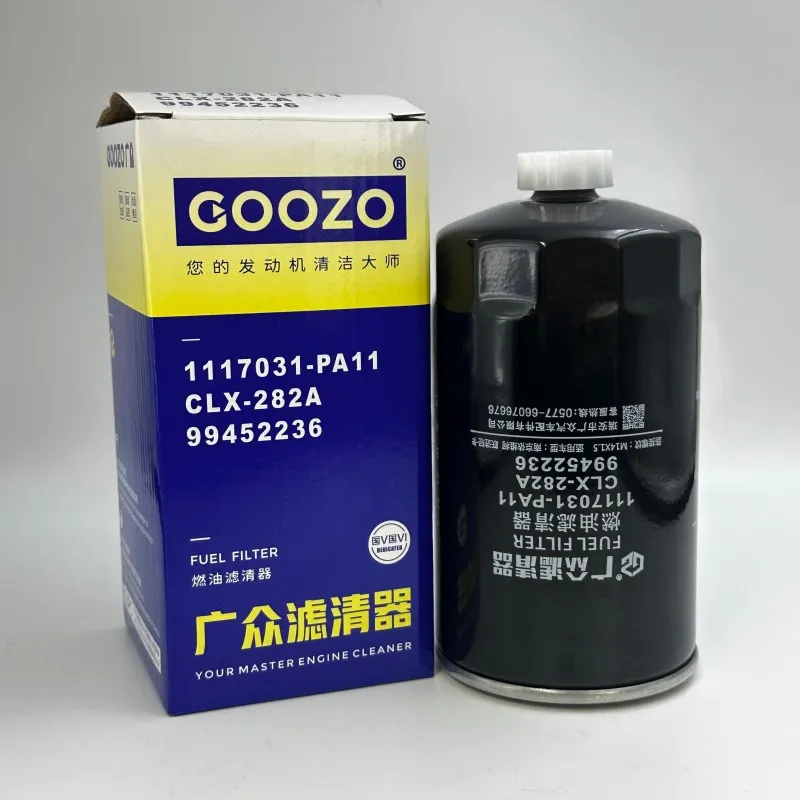
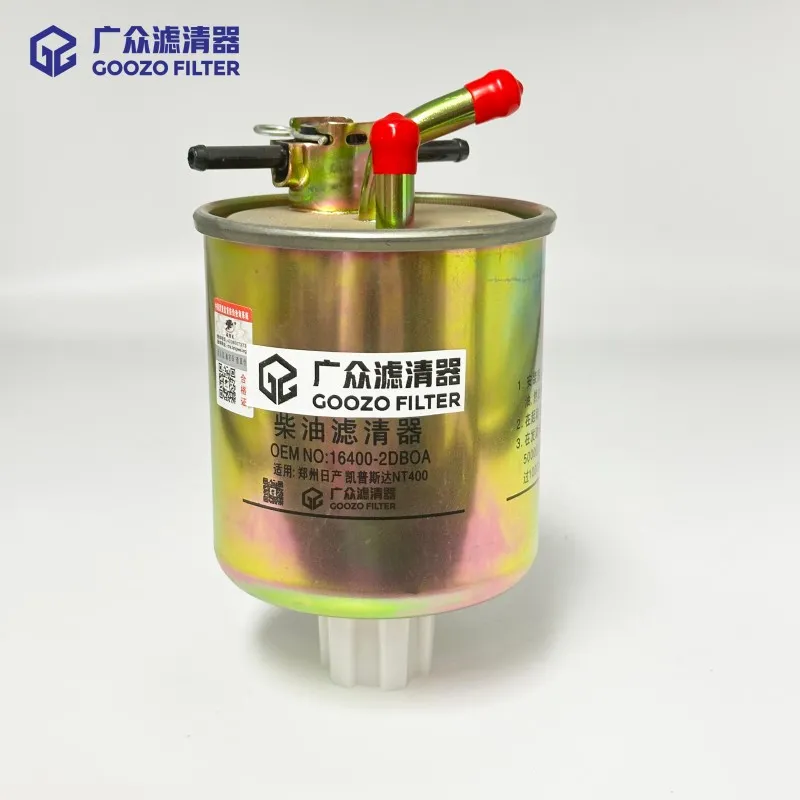
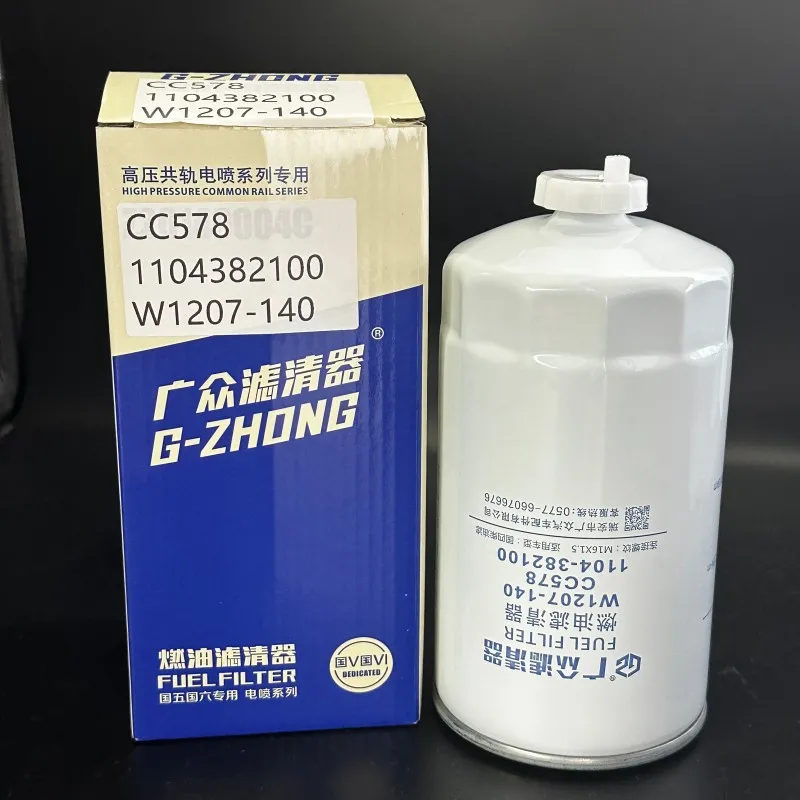
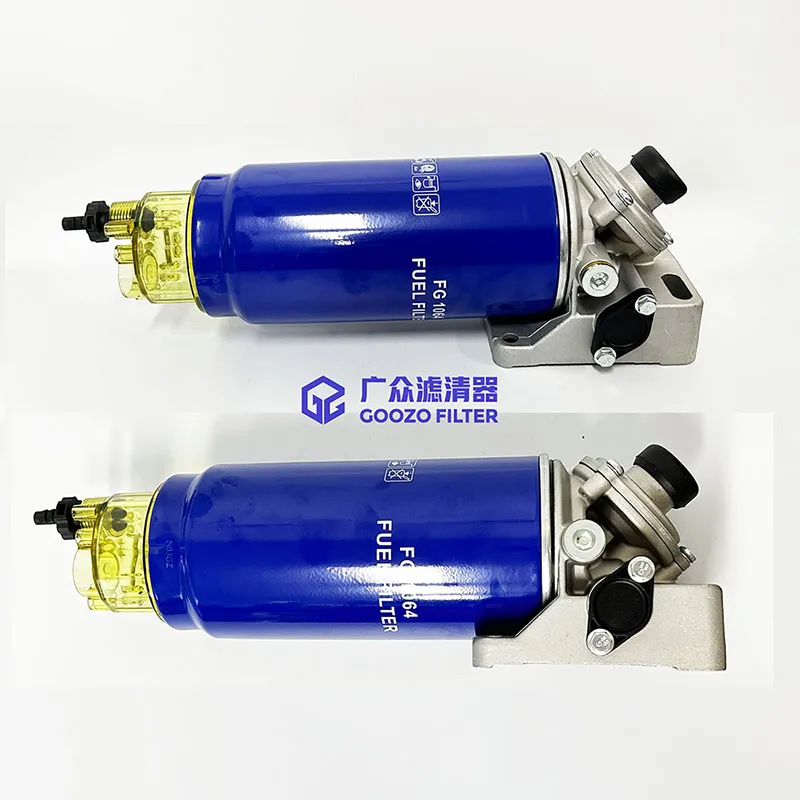
For those looking for reliable fuel filter products, check out options available online. Consider quality brands that are compatible with your vehicle make and model.
Key Points to Remember
- Keeping your fuel filter in good condition is critical for engine performance.
- Always use parts that meet or exceed OEM specifications for best results.
Conclusion
Replacing and maintaining your car's fuel filter is essential to enjoy a smoothly operating vehicle. Regular checks and timely replacements can significantly improve engine performance, fuel efficiency, and the longevity of your car. Whether you choose to do it yourself or hire a professional, staying informed about your fuel filter is a vital part of vehicle maintenance.